
What should I eat before and after a workout
There’s a quiet anxiety that comes with typing what should I eat before and after a workout into a search bar — the worry that the answer will be bad news, or that you’ve been doing everything wrong. Take a breath. In the vast majority of cases, eating before and after a workout is manageable, improvable, and far less scary than the search results suggest. Let’s go through it together, step by step, with the kind of practical detail most articles skip.
The pre- and post-workout nutrition industry wants you to believe you need a chemistry degree and a shaker full of powders to make progress. You don't. I've trained fasted, fed, and everything in between, and here's the honest truth: what you eat across the whole day matters roughly ten times more than what you eat in the magic window around your workout. That said, a little strategy around training does help — mainly by giving you energy and speeding recovery.
What should I eat before and after a workout: A Practical, Step-by-Step Approach
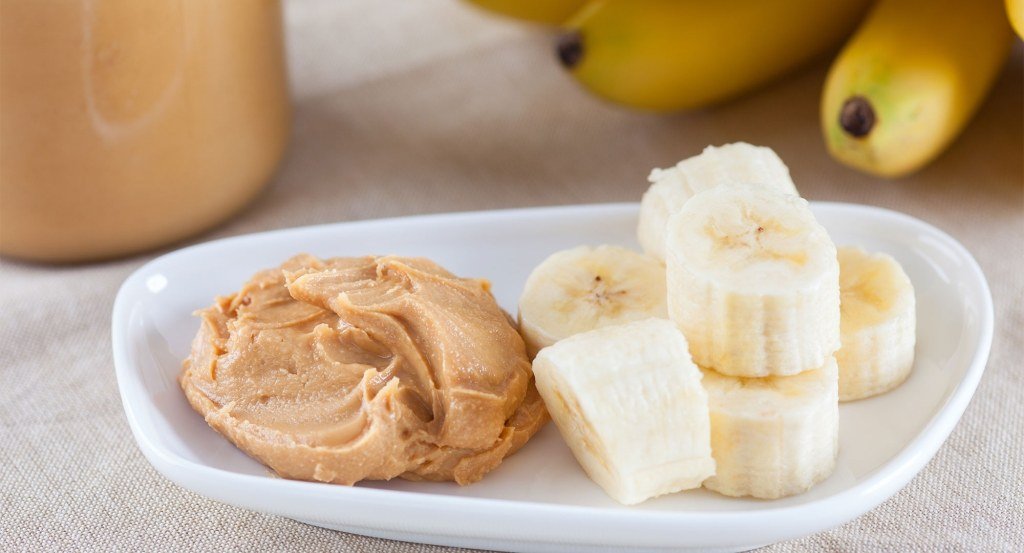
Two to three hours before training, eat a normal balanced meal — something with carbs, protein, and a little fat, like rice with chicken and vegetables. If you're training within an hour and haven't eaten, grab something small and easy to digest 30 to 60 minutes before: a banana, toast with honey, or a handful of pretzels. After your workout, eat a real meal with protein and carbs within a couple of hours — chocolate milk, eggs on toast, or Greek yogurt with granola all work beautifully. Drink water before, during, and after; if you trained hard for over an hour or sweat heavily, something with electrolytes earns its place.
I want to reframe eating before and after a workout before we go further, because the usual framing sets people up to fail. This isn’t a test you pass or fail, and it’s not a 30-day transformation. It’s maintenance — like brushing your teeth. Nobody expects brushing to be exciting; you just do it because the alternative is worse. Approaching eating before and after a workout with that same unglamorous consistency is what actually works, in my experience and in the research.
If you want a second opinion from an authoritative source as you go, MedlinePlus on nutrition and the CDC's physical activity basics are both solid places to cross-check what you read here.
What's Really Going On With Eating before and after a workout
I’m not going to drown you in study citations, but it’s worth knowing that the advice in this guide isn’t folk wisdom — it lines up with what major health organizations recommend. The pattern across the research on eating before and after a workout is remarkably consistent: basics first, consistency over intensity, and personalization over one-size-fits-all rules. When the science and common sense agree this strongly, it’s worth listening.
For a related angle, our guide to How do I install peel-and-stick backsplash tiles pairs well with what you’re learning here — the two topics overlap more than most people realize.
Your Simple, Sustainable Plan
- Don't train completely fasted if you get dizzy or weak — a banana 30 minutes before fixes most of that.
- Caffeine 30 to 45 minutes pre-workout genuinely helps performance; a simple coffee works.
- Post-workout, aim for roughly 20 to 40 grams of protein at your next meal.
- Skip the expensive intra-workout drinks unless you're training longer than 90 minutes.
- Keep a go-to snack in your gym bag so hunger never becomes an excuse to skip.
Mistakes That Sabotage Most People
Treating discomfort as a stop sign instead of a signal
Some discomfort with eating before and after a workout is information, not danger — the burn of effort, the awkwardness of a new habit. But sharp pain, dizziness, or anything that feels genuinely wrong is different. Learning to tell productive discomfort from warning signs is a skill worth developing, and when in doubt, check with a professional.
Comparing your chapter one to someone else's chapter twenty
Social media shows you the highlight reel: the transformation photos, the perfect routines, the effortless results. What you don't see is the years, the genetics, the lighting, and occasionally the filters. Your journey with eating before and after a workout only has to beat your own yesterday, not someone's curated feed.
Quitting at the first bad week
Progress with eating before and after a workout is never linear. You'll have a great two weeks, then a terrible one, and your brain will declare the whole thing a failure. It's not. One bad week in twelve is noise. The people who succeed aren't the ones who never slip — they're the ones who treat a slip as a data point and keep going.
Ignoring the basics while chasing advanced tactics
People ask me about optimization — the perfect supplement timing, the ideal macro split — while sleeping five hours a night. That's like tuning a race car's aerodynamics when it has flat tires. For eating before and after a workout, nail the foundations first: consistency, sleep, and honest self-tracking. The advanced stuff is rounding error until the basics are solid.
What To Do This Week
So here’s your practical takeaway on eating before and after a workout: stop aiming for perfect and start aiming for repeatable. Pick the single smallest change from this guide — the one that made you think “yeah, I could actually do that” — and do it for two weeks. Track it somehow, even just a checkmark on a calendar. Then build from there. In my experience, that’s the whole secret: boring consistency beats brilliant intensity, every single time.
One more resource worth bookmarking: What is the easiest way to update old cabinet hardware covers adjacent ground that’ll reinforce everything above.
A note of caution: If you have diabetes, kidney issues, or any condition affecting diet, check with your clinician or a dietitian before changing how you eat around workouts — blood sugar and medication timing matter.
Quick Answers To Common Questions
What if I've tried eating before and after a workout before and failed?
Then you're normal, and you have useful data. Most "failures" are really just attempts that were too ambitious, too complicated, or started at the worst possible time. Ask yourself what specifically derailed you last time — not vaguely, specifically — and design around that one thing. Smaller target, simpler plan, better timing. Past attempts aren't evidence you can't do it; they're the instruction manual for how you'll succeed this time.
How long does it take to see results with eating before and after a workout?
Honestly? Longer than the internet promises and sooner than your pessimism suggests. Most people notice small shifts in two to three weeks of consistent effort — better energy, better sleep, a general sense of things working. Visible, measurable change usually takes six to twelve weeks. The trap is quitting at week three because you're "only" feeling better instead of transformed. Feeling better is the point; the visible stuff follows.
[…] a related angle, our guide to What should I eat before and after a workout pairs well with what you’re learning here — the two topics overlap more than most people […]