
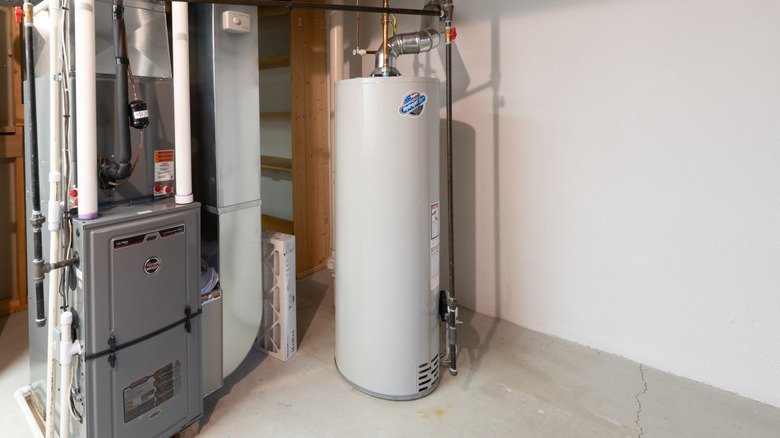
Is It Better to Repair or Replace a 15-Year-Old Water Heater?
Fifteen years. Your water heater has outlived most smartphones, two cars’ worth of tires, and possibly a marriage. Now it’s acting up — and you’re facing the classic question: is it better to repair or replace a 15-year-old water heater? Here’s the answer most plumbers will give you straight: at 15 years, you’re almost always better off replacing. But “almost” is doing some work in that sentence, so let’s look at when repair still makes sense.
Is It Better To Repair Or Replace A 15-Year-Old Water Heater?
The average tank water heater lasts 8–12 years. Tankless units last 15–20+ years. So a 15-year-old tank heater isn’t just old — it’s living on borrowed time, statistically speaking. Manufacturers design tanks for roughly a decade of service; the glass lining and anode rod that protect the steel tank degrade over time, and once they’re gone, the tank itself starts corroding.
That doesn’t mean it dies on its 12th birthday. Plenty of heaters soldier on to 15 or even 20 years, especially with maintenance (annual flushing, anode rod replacement). But every year past 12 is a gamble — and the stakes of losing that gamble are a flooded basement or utility room.
When Repair Still Makes Sense
Repair is reasonable at 15 years only if:
- The problem is minor and cheap — a thermostat ($30–$60 part), a heating element ($30–$80), a pressure relief valve ($15–$30), or a thermocouple on a gas unit ($15–$25).
- The tank itself is sound — no rust-colored water, no moisture or corrosion on the tank exterior, no rumbling from heavy sediment.
- You’re planning to sell soon or remodel within a year or two and just need it to hold on.
- A pro has inspected it and says the tank has life left (get this in writing, or at least get a second opinion).
A $150 element replacement that buys you two more years? Reasonable. A $500 repair on a 15-year-old tank? You’re throwing good money after bad.
When Replacement Is the Right Call
Replace when you see any of these — they’re the tank telling you it’s done:
- Rusty or discolored hot water. This often means the tank interior is corroding. Once the tank rusts through, it leaks — sometimes catastrophically.
- Moisture, rust, or corrosion on the tank exterior, especially around fittings and the base.
- Rumbling, popping, or banging sounds. Heavy sediment buildup has hardened. Flushing might help, but at 15 years it’s often too late.
- Water pooling around the base. Even small amounts. A leaking tank doesn’t get better.
- Inconsistent temperature or running out of hot water faster than it used to — efficiency has degraded.
- It’s simply 15 years old and needs any repair over ~$200. The math doesn’t work.
What Replacement Costs (2026)
- Traditional tank (40–50 gal): $1,200–$2,500 installed, including unit, labor, and basic permits. The unit itself is $500–$1,000; labor and extras make up the rest.
- High-efficiency / heat pump hybrid: $2,000–$4,000 installed. Uses ~60% less energy than standard electric — the DOE’s water heating guide has the efficiency math.
- Tankless: $2,500–$5,000+ installed. Lasts 20+ years, endless hot water, but higher upfront cost and possible gas line/electrical upgrades.
Check for utility rebates and federal tax credits — heat pump water heaters in particular often qualify for significant incentives that change the math considerably.
The Hidden Cost of Waiting: Failure Mode
Here’s what tips most 15-year decisions: how old heaters fail. Tanks don’t usually die politely. They rupture — sometimes releasing 40–50 gallons of water into your home. The average insurance claim for water heater failure runs into the thousands. A planned replacement on your schedule costs $1,200–$2,500. An emergency replacement after a flood costs that plus water damage remediation.
If your 15-year-old heater sits above finished space (upstairs laundry, attic), the risk calculus shifts hard toward proactive replacement. A pan with a drain helps, but it’s not a guarantee.
Squeezing Life Out Safely (If You Repair)
If you decide to nurse it along: flush the tank annually to reduce sediment, check the anode rod (replacing a depleted rod for ~$50–$100 can genuinely extend tank life), test the pressure relief valve yearly, keep the area around the heater clear, and install a water alarm ($10–$15) on the floor beside it — the cheapest insurance against waking up to a flood. Know where your water shutoff is. At 15 years, hope is not a strategy; monitoring is.
Tank vs. Tankless: The Replacement Decision
If you’re replacing, the tank-vs-tankless question deserves real thought. Tankless pros: endless hot water, 20+ year lifespan, 30–40% more efficient, wall-mounted space savings. Tankless cons: 2–3x the upfront cost, often requires gas line or electrical panel upgrades ($500–$2,000 extra), needs annual descaling in hard-water areas, and the “cold water sandwich” effect in some installations. Stick with tank if: your usage is modest, budget is tight, or your infrastructure can’t support tankless without major upgrades. Go tankless if: you have high hot-water demand, plan to stay 10+ years, or can capture rebates. The heat-pump hybrid tank is the dark horse: tank simplicity with near-tankless efficiency, often with the best rebate package of all three.
Maintenance That Extends Any Water Heater’s Life
Whether you repair or replace, these habits add years: flush the tank annually to prevent sediment buildup (attach a hose to the drain valve, run until clear), check the anode rod every 3–5 years and replace when depleted ($50–$100 part, the single best life-extender), test the temperature-pressure relief valve yearly (lift the lever briefly — water should flow, then stop), and keep the thermostat at 120°F (hot enough for comfort and dishwasher sanitizing, cool enough to slow tank corrosion and cut energy use). Ten minutes of annual attention is the difference between a heater that dies at 9 years and one that serves 15.
The Takeaway
Is it better to repair or replace a 15-year-old water heater? Replace, in the vast majority of cases. At 15 years you’re past the design life, the tank is the failure risk (not the replaceable parts), and a planned replacement beats a flooded emergency every time. Repair only for cheap fixes on a sound tank when you need a short bridge.
Get 2–3 quotes, check rebates, and consider upgrading efficiency while you’re at it — the energy savings narrow the cost gap faster than most people expect. Dealing with other water issues? Our leaky faucet guide and running toilet fix cover the smaller battles.