
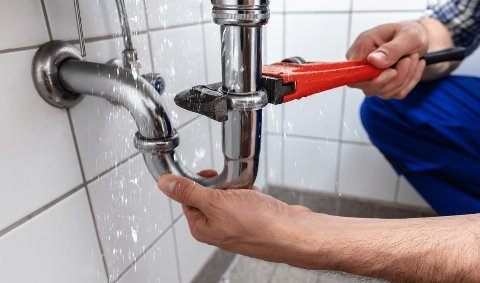
How Do I Fix a Leaky Faucet Without Calling a Plumber?
Drip. Drip. Drip. At 2 a.m., a leaky faucet sounds like a countdown to insanity — and to a water bill that’s quietly climbing. Here’s the good news: if you’re wondering how do I fix a leaky faucet without calling a plumber, the answer is that most faucet leaks are a 30-minute DIY job requiring about $10 in parts and zero plumbing experience. That drip is usually just a worn-out washer or cartridge begging for retirement.
How Do I Fix A Leaky Faucet Without Calling A Plumber?
There are four common types, and the fix differs slightly for each:
- Compression faucets (two separate hot/cold handles you twist multiple turns) — the classic leaker. Usually just needs a new washer and/or O-ring. Most common in older homes.
- Ball faucets (single handle that rotates, common in kitchens) — uses a ball assembly with springs and seals. Repair kits are cheap and widely available.
- Cartridge faucets (single or double handle, smooth quarter-turn feel) — the cartridge itself wears out. Replacement cartridges cost $10–$30 and swap in easily.
- Ceramic disc faucets (single lever, very smooth, modern) — extremely durable; when they do leak, the disc cartridge needs replacing or the seals need cleaning.
Not sure which you have? Take a photo and show it at the hardware store — or check the manufacturer’s site. Knowing the brand (Moen, Delta, Kohler) makes finding the right parts dramatically easier.
What You’ll Need
- Adjustable wrench and/or basin wrench
- Phillips and flathead screwdrivers
- Replacement washers, O-rings, or cartridge (take the old parts to the store to match)
- Plumber’s grease (silicone-based)
- Penetrating oil (for stuck parts)
- Towels and a small bucket
- Your phone (for photos of the disassembly order — trust me on this)
Total parts cost: $5–$30 depending on faucet type. Compare that to a plumber’s $150–$300 service call.
Step-by-Step: Fixing a Compression Faucet (the Most Common)
1. Shut off the water. Look under the sink for the hot and cold shutoff valves and turn them clockwise. No valves? Shut off the main water supply. Then open the faucet to drain remaining water and relieve pressure.
2. Plug the drain. Stuff a rag in the drain. Small screws love to escape down drains, and fishing them out of a P-trap is nobody’s idea of fun.
3. Remove the handle. Pop off the decorative cap, unscrew the handle screw, and lift the handle off. If it’s stuck, penetrating oil and patience — not force.
4. Remove the packing nut and stem. Use your wrench on the packing nut, then unscrew the stem. Photograph everything as it comes apart. The order matters.
5. Replace the washer and O-ring. At the bottom of the stem you’ll find the washer (held by a small screw) — this is usually the culprit. Replace it with an exact match, replace the O-ring around the stem, and apply a dab of plumber’s grease.
6. Reassemble in reverse order. Don’t overtighten — snug is enough. Overtightening cracks washers and strips threads.
7. Turn the water back on slowly and check for leaks. Run both hot and cold.
For Cartridge, Ball, and Disc Faucets
The process is similar — shut off water, disassemble, replace the worn part — but instead of a washer you’re swapping a cartridge (cartridge/disc faucets) or a repair kit (ball faucets). The key step: bring the old cartridge to the store. There are dozens of nearly-identical cartridges, and eyeballing it from memory fails constantly. Many manufacturers (Delta and Moen especially) have excellent faucet identification guides online, and some offer free replacement parts under lifetime warranties — check before you buy.
When to Actually Call a Plumber
DIY has limits. Call a pro if:
- The leak is under the sink (supply lines, shutoff valves, drain connections) rather than from the faucet itself
- Parts are corroded solid and won’t budge with penetrating oil
- You find cracked or damaged valve seats that need reseating tools
- Water pressure issues accompany the leak (could indicate bigger problems)
- You’ve replaced the parts and it still leaks — something else is wrong
There’s no shame in this. A $200 service call beats a flooded cabinet every time.
How Much Water (and Money) That Drip Costs
A faucet dripping once per second wastes over 3,000 gallons per year — that’s roughly $60–$200+ on your water bill depending on local rates, literally going down the drain. The EPA’s WaterSense program has eye-opening stats on household leaks. Your 30-minute fix pays for itself many times over.
Identifying Your Faucet Brand (It Matters)
Before buying parts, figure out the brand — it’s usually stamped on the faucet body, the escutcheon plate, or under the sink on a label. Moen, Delta, and Kohler dominate the US market, and each uses proprietary cartridges that aren’t interchangeable. Delta and Moen both offer excellent online parts-identification tools: answer a few questions or upload a photo, and they tell you the exact cartridge. Even better, both companies have generous lifetime warranties — many homeowners don’t realize the manufacturer will mail you the replacement cartridge free. A five-minute warranty check can turn a $25 parts run into a $0 fix.
Preventing the Next Leak
Faucet washers and cartridges wear out faster under certain conditions. Extremely hard water chews through rubber parts — if your area has hard water, consider a water softener or at least expect more frequent washer replacements. Don’t crank handles closed with gorilla force; over-tightening is a leading cause of premature washer failure (firm is enough). And when you replace one faucet’s internals, consider doing the others preemptively — they were installed at the same time and live in the same water, so they’re on the same failure schedule.
The Takeaway
How do you fix a leaky faucet without calling a plumber? Shut off the water, disassemble the faucet (photographing as you go), replace the worn washer, O-ring, or cartridge with an exact match, and reassemble. Thirty minutes, under $30 in parts, silence restored.
It’s one of the most satisfying DIY wins there is — immediate, obvious, and it stops costing you money the moment you’re done. Tackling more plumbing? Our guide to unclogging drains without harsh chemicals and fixing a running toilet cover the next most common water wasters.