
Is Coffee Actually Bad for Your Heart?
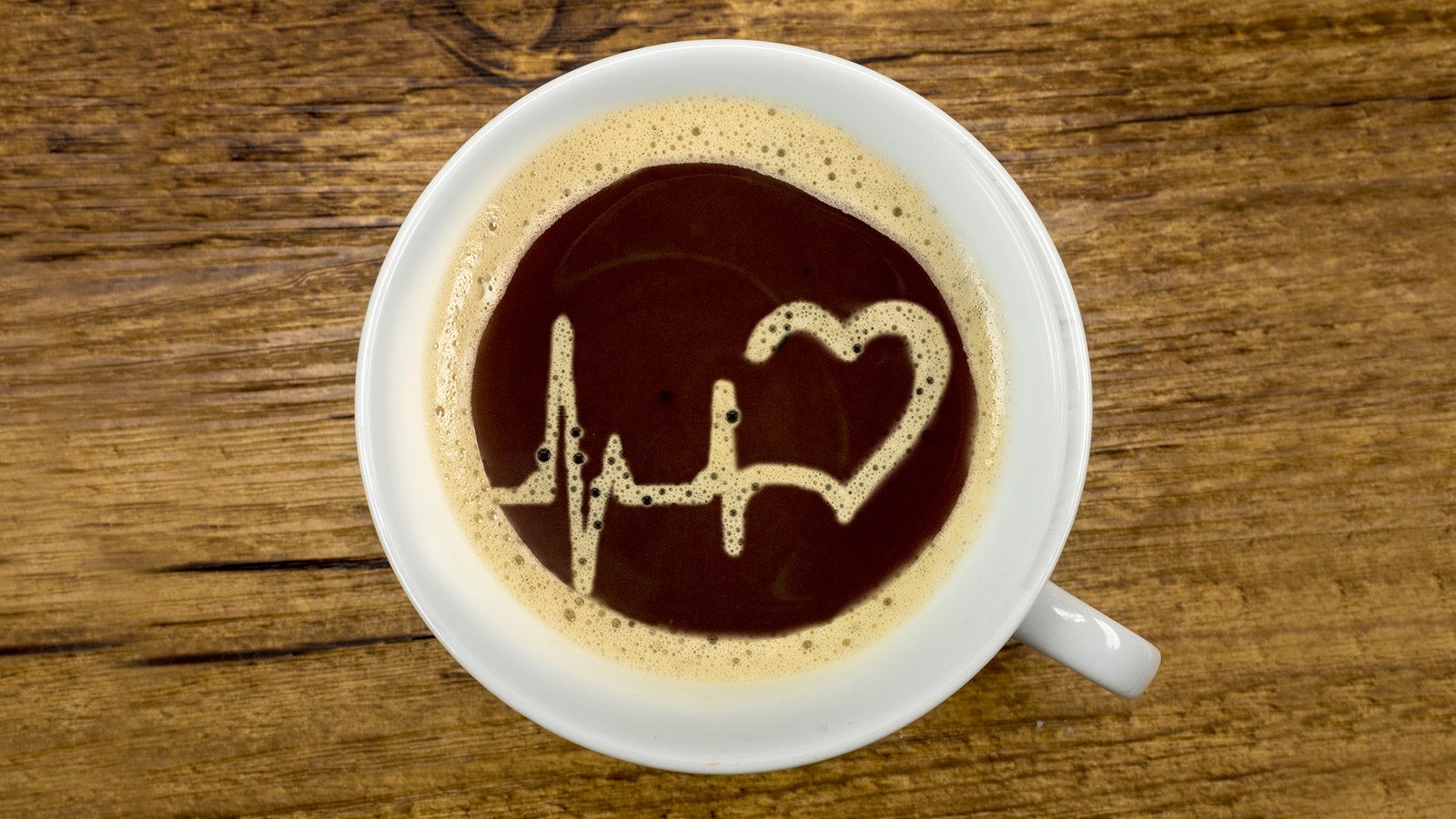
Is coffee actually bad for your heart? If you drink coffee daily — and two-thirds of American adults do — you have probably felt the whiplash: one week coffee prevents everything, the next it causes everything. Here is the settled science, such as it is: for most people, moderate coffee consumption is not bad for the heart and may actually be modestly protective. But “most people” and “moderate” are doing heavy lifting in that sentence. The details — how much, what kind, who you are — matter enormously. Let us sort it out.
What the large studies actually show
The best evidence comes from massive observational studies following hundreds of thousands of coffee drinkers for decades. The consistent finding: 3-5 cups daily is associated with the lowest cardiovascular risk — roughly 15% lower risk of heart disease and stroke compared to non-drinkers, in study after study. The association holds for both caffeinated and decaffeinated coffee, which is a crucial clue: it suggests the benefit comes from coffee’s compounds (antioxidants, anti-inflammatory polyphenols, chlorogenic acids), not the caffeine. Above ~6 cups, benefits plateau or slightly reverse. The relationship is J-shaped: moderate good, excessive less good, none slightly worse than moderate. This pattern has held across continents, age groups, and study designs — about as robust as nutritional epidemiology gets.
How coffee affects the cardiovascular system
Understanding the mechanisms explains the nuances: Blood pressure: caffeine acutely raises blood pressure 5-10 mmHg for a few hours — but regular drinkers develop tolerance, and long-term studies show no increased hypertension risk from habitual moderate consumption. If you are monitoring blood pressure, measure before your morning coffee for consistency. Heart rhythm: the big fear — does coffee cause arrhythmias or atrial fibrillation? Large studies say no increased AFib risk at moderate intake; some show slightly lower risk. Excessive caffeine can trigger palpitations in sensitive individuals, but that is discomfort, not disease. Cholesterol: here is the real catch — unfiltered coffee (French press, Turkish, espresso) contains cafestol and kahweol, compounds that raise LDL cholesterol. Paper-filtered drip coffee removes most of them. If you drink a lot of French press and your LDL is high, switching to filtered coffee is a genuine intervention. Arteries: coffee’s antioxidants appear to support endothelial function (artery lining health) — one plausible mechanism behind the protective association.
Is coffee actually bad for your heart? Who should be careful
The “coffee is fine” headline has important exceptions:
- Pregnant women: most guidelines cap at 200mg caffeine daily (~1-2 cups) due to miscarriage and low-birth-weight associations at higher intakes.
- People with anxiety or panic disorders: caffeine is anxiogenic — it mimics and amplifies anxiety physiologically. If coffee makes you jittery and on-edge, that is your body voting.
- Slow caffeine metabolizers: genetic variants (CYP1A2) make some people process caffeine much slower — they get more side effects (jitters, insomnia, palpitations) from the same cup. If coffee wrecks you while friends are fine, genetics may explain it.
- People with certain heart conditions: if you have uncontrolled hypertension, certain arrhythmias, or have been advised by your cardiologist to limit stimulants, follow that advice over general population studies.
- Anyone with sleep problems: caffeine’s 5-6 hour half-life means afternoon coffee sabotages sleep — and poor sleep harms the heart more than coffee ever helps it. The caffeine cutoff matters.
- GERD sufferers: coffee relaxes the lower esophageal sphincter — a misery multiplier for reflux.
How you drink it matters as much as whether
The studies showing benefits are mostly about black or lightly-adorned coffee. A 400-calorie caramel monstrosity with whipped cream is a dessert that happens to contain coffee — the sugar and saturated fat swamp any polyphenol benefit. Practical upgrades: drink it black or with a splash of milk; use paper filters if cholesterol is a concern; keep it before noon for sleep; stay hydrated alongside it (water still counts — coffee is mildly diuretic but net-hydrating for regular drinkers); and cap total caffeine from all sources (energy drinks, pre-workout, chocolate) at ~400mg daily.
The decaf question
Decaf retains most of coffee’s beneficial compounds with minimal caffeine — and studies show similar cardiovascular associations. If you love the ritual but not the stimulation, or you are caffeine-sensitive, decaf is an excellent choice, not a sad compromise. Swiss Water process decaf avoids chemical solvents if that concerns you. The taste gap has narrowed dramatically; blind tastings fool plenty of snobs.
Coffee and exercise performance
One more domain where coffee shines: athletic performance. Caffeine is among the most evidence-backed ergogenic aids in sports science — 3-6mg per kg of body weight (roughly 1-2 strong cups for most adults) taken 30-60 minutes before exercise reliably improves endurance, sprint performance, and perceived exertion. It is why caffeine is ubiquitous in pre-workout supplements. The mechanism: adenosine receptor blockade reduces perceived effort while increasing adrenaline and fat mobilization. Practical notes: the performance benefit persists even in habitual drinkers (though slightly blunted), timing matters more than dose precision, and gastrointestinal sensitivity varies — test in training, never on race day. For the average person exercising for health rather than podiums, the pre-workout cup is a legitimate, research-backed boost — another point in coffee’s favor beyond the heart-health story.
One change this week: switch your afternoon coffee to before noon and notice your sleep. For many people, this single timing shift improves both rest and the heart-health equation more than any supplement could.
The bottom line
For most healthy adults, 3-5 cups of (ideally filtered, not sugar-loaded) coffee daily is not bad for the heart — it is associated with modestly lower cardiovascular risk, likely thanks to antioxidant compounds rather than caffeine. Exceptions matter: pregnancy, anxiety disorders, slow metabolizers, certain heart conditions, and anyone whose sleep suffers. Drink it black-ish, filtered, before noon, and let your body’s response — not the headlines — guide your personal limit. The coffee-heart story is one of nutrition science’s happier endings: your morning ritual is probably fine. For the cardiology perspective, the American Heart Association’s position on caffeine summarizes the clinical guidance behind these conclusions.