
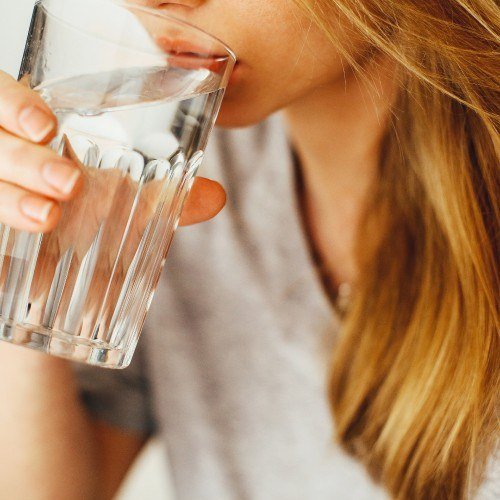
How Much Water Should I Actually Drink Every Day?
How much water should I actually drink every day? You have heard “eight glasses a day” your whole life — but that rule is more myth than science, and the real answer is refreshingly personal. Your water needs depend on your size, your activity, your climate, and your diet. Some people genuinely need 12 cups; others do fine on 6. Here is what the science actually says, how to tell if you are drinking enough, and the simple habits that make hydration automatic.
Where “8×8” came from (and why it is incomplete)
The famous “eight 8-ounce glasses” rule has no clear scientific origin — it appears to be a misremembered fragment of a 1945 U.S. Food and Nutrition Board recommendation, which actually said most of that fluid comes from food. That crucial second half got lost. The result: decades of people guiltily chugging water they did not need, and a bottled-water industry happy to encourage it. Modern guidance is more nuanced: the U.S. National Academies suggest about 3.7 liters (125 oz) of total water daily for men and 2.7 liters (91 oz) for women — but that includes all sources: beverages plus the water in food, which provides roughly 20% of intake. So the actual drinking target is lower than those numbers suggest.
What actually determines your needs
- Body size: Larger bodies need more water. A rough starting point: about half an ounce to one ounce per pound of body weight daily from all sources — a 150-pound person lands around 75-150 oz total, with food covering a chunk.
- Activity level: Exercise dramatically increases needs through sweat. Add 12-16 oz per 30 minutes of moderate exercise, more in heat.
- Climate: Hot, humid weather or high altitude increases fluid loss. Air conditioning and heated indoor air are dehydrating too.
- Diet: High-protein or high-fiber diets, salty foods, alcohol, and lots of caffeine all shift your needs. Fruits, vegetables, soups, and yogurt contribute significant water.
- Health conditions: Pregnancy, breastfeeding, fever, vomiting, and certain conditions (kidney issues, heart failure) change requirements — in both directions. Some conditions require fluid restriction, so check with your doctor if you have a chronic illness.
The two best hydration gauges (better than counting ounces)
Forget rigid targets — your body has built-in instruments. Urine color: pale straw to light yellow means well-hydrated; dark yellow or amber means drink more; completely clear consistently may mean you are overdoing it. Check the first morning urine (darkest of the day) as your baseline. Thirst: contrary to the myth that “by the time you are thirsty, you are already dehydrated” — for most healthy people, thirst is a perfectly adequate guide. Drink when thirsty, stop when not. The exception: adults over 65, whose thirst sensation dulls with age and who should drink on schedule rather than waiting for thirst. Athletes doing prolonged intense exercise also need planned hydration, not just thirst.
Can you drink too much water?
Yes — and it is more dangerous than mild dehydration. Overhydration (hyponatremia) dilutes blood sodium to dangerous levels, and it has killed marathon runners and fraternity hazing victims. The pattern is always the same: forcing large volumes of water far beyond thirst over short periods. The lesson is not to fear water but to respect your body’s signals: drink to thirst, add planned intake around exercise and heat, and do not treat hydration as a competitive sport. If your urine is consistently crystal clear and you are running to the bathroom hourly, ease off.
How much water should I actually drink every day? Simple habits
- Front-load the day: a large glass of water first thing in the morning offsets overnight fluid loss and sets the tone.
- Keep water visible: a bottle on your desk beats a glass in the kitchen. Visibility drives intake.
- Pair with existing habits: a glass with each meal, one during your commute, one while your coffee brews. Habit-stacking beats willpower.
- Eat your water: watermelon, cucumbers, oranges, lettuce, and soups are 90%+ water. Hydrating foods count.
- Flavor without sugar: if plain water bores you, add lemon, cucumber, mint, or frozen berries. Sparkling water counts fully toward hydration.
- Watch the dehydrators: alcohol is the big one — alternate each drink with water. Caffeine is mildly diuretic but regular coffee drinkers develop tolerance; your morning coffee still hydrates you net-positive.
Good hydration also supports everything from energy levels to blood pressure — it is foundational, not optional.
Hydration for special situations
Standard advice shifts in specific circumstances. Athletes: weigh yourself before and after long sessions — each pound lost is ~16 oz of fluid to replace, plus electrolytes for sessions over 90 minutes; plain water alone can dilute sodium in extreme endurance events. Older adults: schedule drinking (a glass with each meal plus morning and evening) since thirst dulls with age; watch for confusion or dizziness as dehydration signs. Hot climates and heat waves: increase intake preemptively, add electrolytes, and recognize heat exhaustion symptoms (heavy sweating, weakness, nausea) before they escalate. Illness: fever, vomiting, and diarrhea dramatically increase fluid needs — oral rehydration solutions beat plain water for replacing lost electrolytes. Air travel: cabin air is extremely dry; drink an extra 8-16 oz per few hours of flight and go easy on the alcohol. When in doubt in any of these situations, more frequent small sips beat occasional large gulps.
Small step, big signal: tonight, put a full glass of water on your nightstand. Drinking it first thing tomorrow takes five seconds and starts the day’s hydration before coffee, email, or excuses get a vote.
The bottom line
Most healthy adults need roughly 8-12 cups of total fluid daily from all sources, adjusted for size, activity, and climate — not a rigid eight glasses of pure water. Use urine color and thirst as your guides, drink more around exercise and heat, eat water-rich foods, and do not force intake beyond comfort. Hydration is simple when you listen to your body instead of a myth. For the official numbers, the National Academies’ dietary reference intakes provide the scientific baseline behind modern guidance.