
How Can I Lower My Blood Pressure Without Medication?
How can I lower my blood pressure without medication? If your readings have been creeping up — 130s over 80s, your doctor mentioning “let us watch this” — you have a window where lifestyle changes can genuinely bring numbers down, sometimes enough to avoid medication entirely. And even if you do need medication eventually, these same habits make it work better at lower doses. Nearly half of American adults have hypertension, and most of it responds to lifestyle. Here is what actually moves the needle, in order of impact.
1. Lose excess weight (biggest single lever)
Blood pressure rises with body weight — and falls as it drops. Losing even 5-10% of body weight can reduce systolic pressure by 5-10 mmHg, which is comparable to a medication. The mechanism: less tissue to perfuse, less strain on the cardiovascular system, improved insulin sensitivity. You do not need dramatic transformation; steady, sustainable loss through the healthiest non-diet approaches moves blood pressure reliably. If you do one thing from this list, make it this.
2. Exercise regularly (the 150-minute prescription)
Aerobic exercise — brisk walking, cycling, swimming — for 150 minutes weekly (or 75 vigorous) lowers systolic pressure by 4-8 mmHg on average, with effects visible within weeks. Walking 30 minutes daily alone hits the target. Add 2 days of light resistance training — it independently reduces pressure. The key insight: consistency beats intensity. A daily 30-minute walk you actually do outperforms the gym membership you use twice. Blood pressure responds to regular movement, not heroic workouts.
3. Cut sodium (but smartly)
Reducing sodium to under 2,300mg daily (ideally toward 1,500mg) can drop systolic pressure 5-6 mmHg in salt-sensitive people. But the practical advice matters more than the number: 75% of sodium comes from processed and restaurant food, not your salt shaker. The wins: cook more at home, read labels (bread, soup, and deli meat are stealth sodium bombs), ask for sauces on the side when eating out, and flavor with herbs, citrus, and spices instead of salt. Do not eliminate sodium entirely — you need some — but most people eat 2-3x the recommended amount without knowing it.
4. Eat the DASH way
The DASH diet (Dietary Approaches to Stop Hypertension) is the most evidence-backed eating pattern for blood pressure: rich in fruits, vegetables, whole grains, lean protein, and low-fat dairy; limited in saturated fat, sweets, and sodium. It lowers systolic pressure by up to 11 mmHg in hypertensives — a medication-grade effect from food. You do not need to follow it perfectly; the principles that matter most: potassium-rich foods (bananas, beans, spinach, avocados — potassium blunts sodium’s effect), magnesium sources (nuts, whole grains), and less processed food overall. Simple version: eat more plants, less packages.
5. Limit alcohol
Alcohol raises blood pressure dose-dependently — and the effect is larger than most drinkers realize. Cutting from 3+ drinks daily to 1 or less can drop systolic pressure 4+ mmHg. Even moderate drinking raises readings in sensitive individuals. If your pressure is borderline, a 2-week alcohol break is a revealing experiment: many people see meaningful drops, which tells you exactly how much alcohol was contributing.
6. Quit smoking (and avoid secondhand smoke)
Each cigarette spikes blood pressure for 15-30 minutes; chronic smoking keeps baseline pressure high and damages vessel walls. Quitting is the single highest-impact cardiovascular intervention available — blood pressure begins improving within weeks, and cardiovascular risk drops dramatically within a year. If you smoke and have hypertension, this outranks everything else on the list combined.
7. Manage stress and sleep
Chronic stress keeps cortisol and adrenaline high, maintaining higher pressure. Real stress management — not just “relax more” platitudes — measurably helps: daily meditation or deep breathing (even 10 minutes), regular exercise (double duty), and adequate sleep. Speaking of sleep: sleep apnea is a massively underdiagnosed cause of resistant hypertension — if you snore heavily and your pressure will not budge, get evaluated. Treating apnea can drop pressure dramatically.
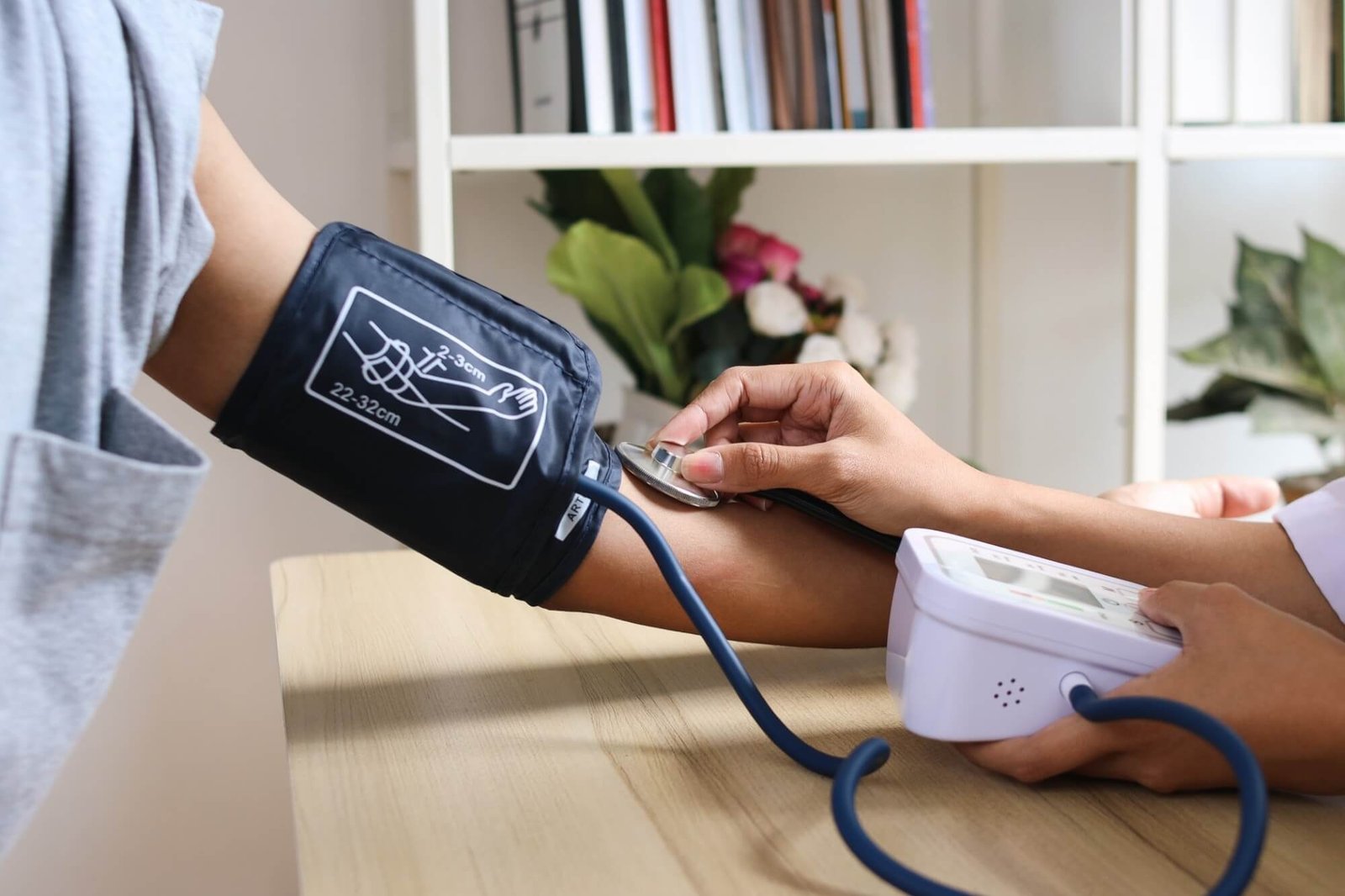
How can I lower my blood pressure without medication? Monitor at home
Buy a validated upper-arm blood pressure monitor ($40-60) and measure correctly: seated, back supported, feet flat, arm at heart level, after 5 minutes rest, no caffeine/exercise/smoking 30 minutes prior. Take 2 readings 1 minute apart and average. Track morning and evening for a week, then share with your doctor. Home monitoring does two things: it reveals white-coat hypertension (high only at the doctor’s) versus true hypertension, and it gives you feedback on lifestyle changes — watching numbers fall as you walk daily is powerfully motivating.
When lifestyle is not enough
Be honest with yourself: if your readings are consistently above 140/90 despite genuine lifestyle effort for 3 months, or above 160/100 at any point, medication is the right call — not failure. Hypertension damages arteries, heart, kidneys, and brain silently for years before symptoms appear. Modern BP medications are cheap, effective, and well-tolerated; the risk is in untreated hypertension, not in the pills. Lifestyle and medication are not opponents — they are teammates. Many people who start medication during a high-stress period later reduce or stop it as lifestyle changes take hold, under medical supervision.
Home blood pressure monitoring: doing it right
A home monitor is only useful with correct technique — bad readings lead to bad decisions. Choose validated: look for monitors validated by independent protocols (check validatebp.org); upper-arm cuffs beat wrist models for accuracy. Cuff size matters: a too-small cuff reads artificially high — measure your arm and buy accordingly. Measure consistently: same times daily (morning before meds/caffeine, evening before bed), seated with back supported, feet flat, arm at heart level, after 5 minutes of rest. Average, do not cherry-pick: take two readings a minute apart and average them; track the trend over weeks, not single numbers. Share with your doctor: bring the log to appointments — home averages guide treatment better than office readings alone. A $50 monitor used correctly is one of the highest-value health purchases you can make.
The bottom line
Lowering blood pressure without medication is absolutely achievable for mild-to-moderate hypertension: lose excess weight, walk 30 minutes daily, cut processed-food sodium, eat more potassium-rich plants, limit alcohol, quit smoking, manage stress, sleep well, and monitor at home. Each habit contributes a few mmHg; together they rival medication. Give lifestyle a genuine 3-month effort, track your numbers, and partner with your doctor on the decision. For authoritative guidance, the American Heart Association’s blood pressure resources detail every recommendation above with the supporting evidence.
[…] hydration also supports everything from energy levels to blood pressure — it is foundational, not […]