
How to Reduce Food Waste in Your Kitchen Each Week
How Can I Reduce Food Waste in My Kitchen Each Week?
Here’s a number that stopped me cold: the average American family throws away hundreds of dollars of food every year. I started wondering how can I reduce food waste in my kitchen each week after cleaning out my fridge one Sunday and finding a science experiment where the lettuce should have been. It wasn’t just the money — it was the guilt. So I spent a month tracking everything I tossed and fixing the patterns. I cut my waste by more than half without eating sad meals or spending extra time. Here’s what actually worked.
Start With Smarter Shopping
Most food waste is decided at the store, not in the kitchen. The fix is boring but powerful: shop with a list, and plan 3–4 dinners before you go. You don’t need a rigid meal plan — just a rough idea of what you’ll cook. The “I’ll figure it out” grocery trip is how you end up with three bunches of cilantro and no plan. Also, stop buying the family-size perishables unless you’ll actually use them. That giant tub of spinach is only a bargain if it doesn’t rot.
How Can I Reduce Food Waste in My Kitchen Each Week? 10 Strategies
1. Do a weekly “eat me first” box
Designate one fridge shelf or bin for items that need using soon — the half onion, the yogurt expiring Friday, the wilting herbs. When you’re hungry or planning dinner, check the box first. This single habit eliminated most of my waste.
2. Learn what dates actually mean
“Best by” and “sell by” are quality suggestions, not safety deadlines — only “use by” on infant formula is federally regulated. Milk is often fine days past its date; eggs last 3–5 weeks refrigerated. When in doubt, use the sniff-and-look test rather than the calendar. Confusion over labels is one of the biggest drivers of waste.
3. Freeze aggressively
Your freezer is a pause button. Bread going stale? Freeze it. Bananas too ripe? Peel, freeze, future smoothie. Half a can of tomato paste? Freeze it in tablespoon blobs. Fresh herbs? Chop and freeze in olive oil in an ice cube tray. I now treat the freezer as part of my pantry, not a place food goes to be forgotten — label everything with the date.
4. Cook “clean out the fridge” meals weekly
Once a week, dinner is whatever needs using. Stir-fries, frittatas, soups, and fried rice are perfect vehicles for random vegetables, leftover proteins, and odds and ends. One-pot meals are especially good for this — they hide a multitude of almost-expired ingredients deliciously.
5. Store produce correctly
Half of produce waste is a storage problem. Herbs last weeks standing in water in the fridge like flowers. Salad greens stay fresh for a week with a paper towel in the container. Keep potatoes and onions apart (they make each other sprout), and don’t refrigerate tomatoes — the cold kills their flavor and texture.
6. Use the whole ingredient
Broccoli stems are delicious peeled and sliced. Carrot tops make pesto. Chicken carcasses become stock. Parmesan rinds flavor soups. Citrus peels become zest before juicing. You paid for the whole thing — eat the whole thing.
7. Portion with leftovers in mind
Cook once, eat twice — on purpose. When making grains, sauces, or proteins, deliberately make extra for tomorrow’s lunch. Planned leftovers aren’t waste; they’re a strategy. Just make sure you know how long leftovers stay safe.
8. Keep a waste log for two weeks
This sounds tedious, but it’s the highest-impact exercise I did. Write down everything you throw away for two weeks. You’ll spot your patterns fast — mine was buying salad greens with big ambitions and a small appetite. Data beats guilt.
9. Compost what you can’t save
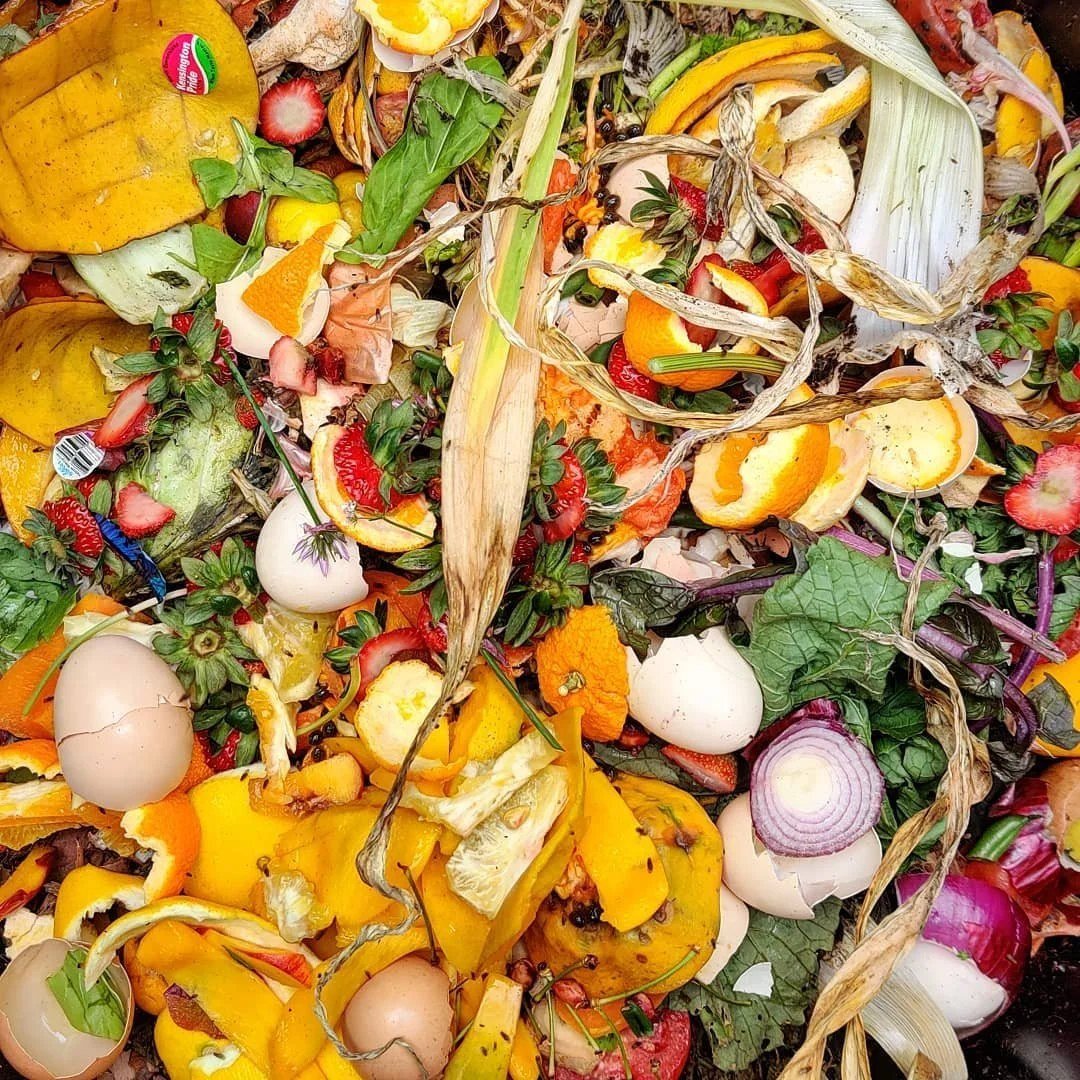
Some waste is unavoidable — coffee grounds, eggshells, vegetable peels. Composting keeps it out of landfills, where food waste generates methane. Even a small countertop bin or a municipal compost pickup makes a difference.
10. Serve smaller portions
Plate waste is real, especially with kids. Serve less; seconds are always available. You can always add more, but you can’t un-serve it.
The Money Angle
Let’s talk dollars, because that’s what finally motivated me. If your household wastes even $30 of food a week — easy to do — that’s over $1,500 a year. In the trash. The strategies above cost nothing and most save time once they’re habits. Reducing waste isn’t about deprivation; it’s about buying what you’ll eat and eating what you buy.
The EPA’s guide to reducing wasted food at home has excellent data and tips, and Wikipedia’s food waste article covers the bigger picture well.
Making It Stick: The Waste-Free Kitchen as a Habit
Knowing the strategies is easy; maintaining them is the real challenge. Here’s what made waste reduction stick in my kitchen long-term. Start with just the “eat me first” box and the shopping list. Those two habits alone cut most households’ waste dramatically, and they’re easy enough to maintain when motivation dips. Add more strategies only after these feel automatic — habit stacking beats overhauling everything at once.
Do a monthly fridge audit — 10 minutes, once a month, noting what got tossed and why. Patterns emerge: maybe you always overbuy herbs, or the kids never eat the fruit you pack. Adjust purchasing, not willpower. Involve the household: label the “eat me first” box clearly, teach kids the sniff test, make leftover night a fun tradition rather than a punishment. When everyone participates, waste drops faster than any one person’s efforts could achieve.
Finally, forgive the slip-ups. You’ll still toss the occasional science experiment. Perfection isn’t the goal — a 50% reduction maintained for years beats a perfect month followed by burnout. Track your wins: I keep a rough tally of money saved, and watching it climb past $1,000 a year is motivation that guilt never provided.
The Takeaway
Pick three strategies from this list and start this week — the “eat me first” box, smarter shopping, and a weekly clean-out-the-fridge dinner will handle most of it. You won’t get to zero waste, and that’s fine. Half is a massive win for your wallet and the planet.
[…] storage habits also reduce food waste — properly stored food actually gets eaten instead of becoming a science […]