
How to Keep Salad Fresh for a Whole Week
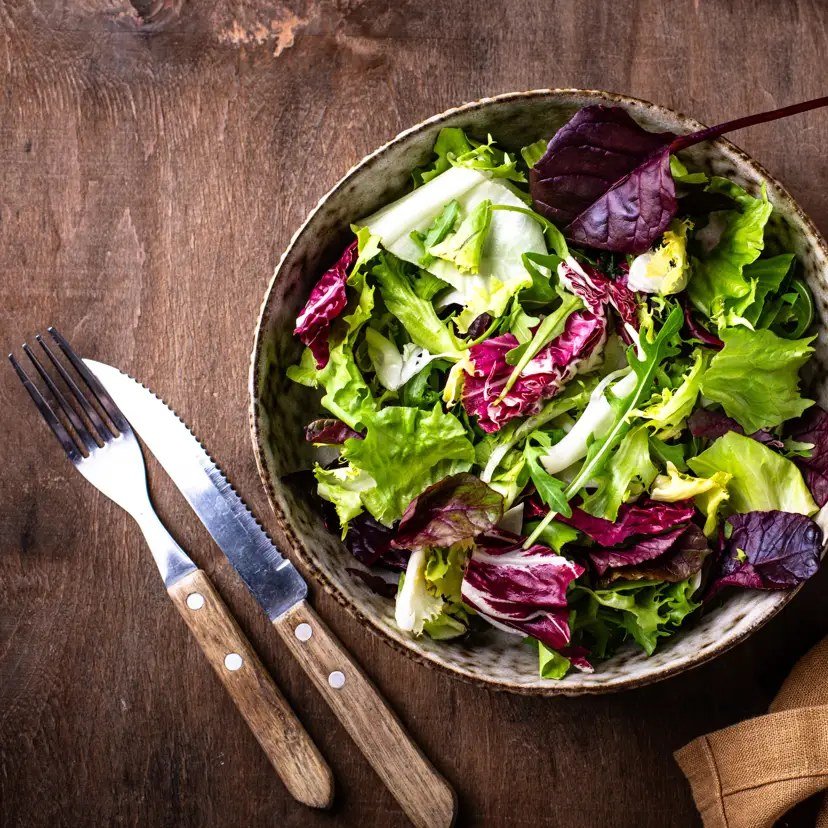
How Do I Keep Salad Fresh for a Whole Week?
You buy beautiful greens on Sunday with big salad ambitions, and by Wednesday they’re a slimy tragedy. How do I keep salad fresh for a whole week? I used to accept the midweek salad funeral as inevitable — until I learned that greens don’t die of old age, they die of moisture. Every trick in this guide targets the same enemy: excess water. Get moisture under control and a Sunday salad easily lasts until Saturday. Here’s the full system I use, including the paper towel method that changed my salad game completely.
The Enemy: Moisture (and Ethylene Gas)
Salad greens deteriorate for two reasons. First, surface moisture breeds the bacteria that cause sliminess — wet leaves rot, dry leaves persist. Second, ethylene gas released by nearby fruits (apples, bananas, avocados) accelerates wilting. Your storage strategy needs to defeat both: keep greens dry and keep them away from ethylene producers. Everything below serves one of those two goals.
How Do I Keep Salad Fresh for a Whole Week? The Core Method
Step 1: Wash and dry thoroughly
Wash greens in cold water, then dry them completely. A salad spinner is worth every penny here — it removes far more water than shaking or towel-patting. If you don’t have one, roll greens in clean kitchen towels and press gently. This step matters more than any other: greens stored wet are doomed within days.
Step 2: The paper towel method
Line an airtight container with a dry paper towel, add a loose layer of greens (don’t pack them tight — airflow matters), then lay another paper towel on top before sealing. The towels wick away the moisture greens naturally release. Check midweek: if the towel is damp, swap in a fresh one. This alone extends salad life from 3 days to 7+. For delicate greens like spring mix, I use two towels; for sturdier romaine, one suffices.
Step 3: Choose the right container
Airtight and rigid beats bags. Glass containers with locking lids are ideal — you can see what’s inside (so you actually eat it) and they don’t crush the leaves. Leave headspace; compressed greens bruise and rot faster. Those produce-saver containers with vented baskets work well too, but a regular container plus paper towels performs just as well for a fraction of the price.
Step 4: Keep dressing far away
Dressed salad dies within hours — acid and oil wilt leaves fast. Always store dressing separately and dress only what you’ll eat immediately. This is the rule people break most often, usually when meal-prepping “complete” salads. Prep the components, not the finished salad.
Greens Ranked by Staying Power
- Last 7+ days: romaine hearts, kale, cabbage, radicchio. These sturdy greens are meal-prep champions.
- Last 5–7 days: spinach, arugula, butter lettuce — with the paper towel method.
- Last 3–4 days: spring mix, mesclun, delicate microgreens. Buy these midweek instead of Sunday, or accept a shorter window.
Plan accordingly: eat the delicate greens early in the week, save the romaine and kale for later. And if you’re adding avocado to salads, our guide on keeping cut avocados green will save your toppings too.
Reviving Wilted Greens
Slightly wilted (not slimy) greens can be rescued: soak them in ice water for 15–30 minutes. The cold water rehydrates the cells and restores remarkable crispness. This works beautifully on romaine, lettuce, and even herbs. Slimy or brown-spotted leaves, though, are done — compost them.
Herbs Deserve the Same Treatment
Fresh herbs die even faster than salad. Treat parsley, cilantro, and dill like flowers: trim the stems and stand them in a jar with an inch of water in the fridge, loosely covered with a bag. Basil is the exception — it hates cold, so keep it on the counter in water. This keeps herbs alive 2–3 weeks, which also cuts kitchen food waste significantly.
For the plant science, the leaf vegetable article on Wikipedia is informative, and the FoodSafety.gov site covers safe produce storage.
Building Better Salads: Beyond the Greens
Fresh greens are just the foundation — the difference between a sad desk salad and one you crave is everything around them. Texture contrast is the secret: pair soft greens with something crunchy (toasted nuts, seeds, croutons, crispy chickpeas), something creamy (avocado, cheese, hummus dollops), and something chewy (dried fruit, grains). A salad with three textures eats like a meal; a salad with one texture eats like punishment.
Prep components separately on Sunday and assemble daily: a big batch of grains (farro, quinoa, or rice), roasted vegetables, a protein (hard-boiled eggs, grilled chicken, beans), and two dressings in jars. Each morning, layer greens plus your chosen toppings in a container — five minutes, infinite variety. Keep wet ingredients (dressing, tomatoes, citrus) separate until serving. This is the salad equivalent of the component-cooking system, and it makes healthy lunches nearly automatic.
Dressing math: the classic vinaigrette ratio is 3 parts oil to 1 part acid (vinegar or citrus), plus salt, a dab of mustard (it emulsifies), and optional honey or garlic. Shake in a jar — it keeps two weeks refrigerated. Homemade dressing costs a fraction of bottled, tastes dramatically better, and has no unpronounceable ingredients. Once you make your own, store-bought tastes like a chemistry experiment.
The Dressing Bottle Trick
One more storage upgrade: make a big jar of vinaigrette every Sunday and keep it in the fridge door. Having dressing ready eliminates the biggest barrier to actually eating the salad you prepped — nobody wants to whisk dressing on a busy weeknight. The 3-2-1 formula is foolproof: 3 parts olive oil, 2 parts acid (mix vinegars or citrus for complexity), 1 part mustard or honey plus salt and seasonings. Shake before each use. It keeps two weeks, costs a fraction of bottled dressing, and tastes dramatically better. Between prepped greens and ready dressing, the distance from craving to salad shrinks to about three minutes.
The Takeaway
Dry greens completely, layer with paper towels in an airtight container, keep dressing separate, and eat delicate greens first. Four habits, seven days of crisp salad. Your Sunday ambitions finally stand a chance.