
The Best Way to Meal Plan for Picky Eaters
What Is the Best Way to Meal Plan for Picky Eaters?
If you’re cooking for picky eaters — kids, a spouse with strong opinions, or yourself, no judgment — you know the special despair of spending an hour on dinner only to hear “I don’t like that.” So what is the best way to meal plan for picky eaters? After years of feeding a household where one person won’t eat anything green and another rejects anything “mixed together,” I landed on a system that ended the nightly negotiations: component cooking. Instead of planning meals, you plan components everyone assembles their own way. One cooking session, zero short-order drama.
Why Traditional Meal Planning Fails Picky Eaters
Standard meal plans assume everyone eats the same dish. With picky eaters, that means either cooking two dinners (exhausting) or watching food go uneaten (infuriating and wasteful). The picky eater isn’t being difficult on purpose — taste sensitivities, especially in kids, are real and often biological. Fighting it nightly helps nobody. The component approach sidesteps the battle entirely: you cook the same building blocks, and each person combines them into something they’ll actually eat.
What Is the Best Way to Meal Plan for Picky Eaters? The Component System
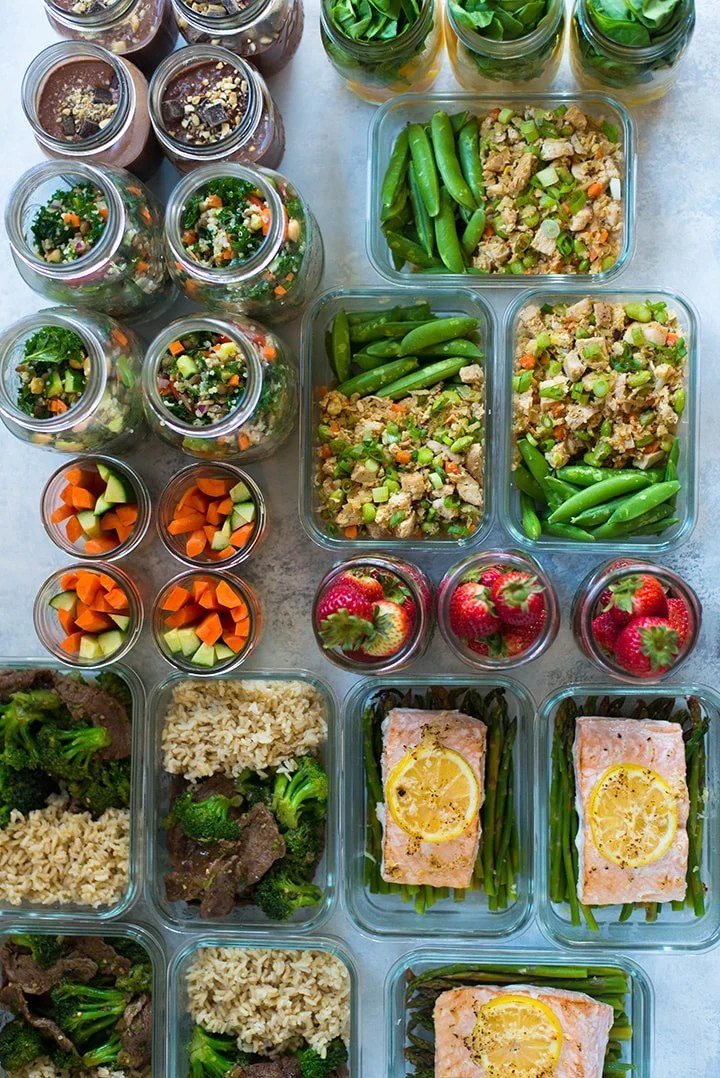
Each week, prep 2–3 items from each category. Dinner becomes mix-and-match.
Proteins (pick 2–3)
Grilled chicken breasts, ground turkey, hard-boiled eggs, black beans, baked tofu, shredded rotisserie chicken. Keep seasonings simple — salt, garlic, mild spices — and put sauces on the side. A plain protein is a picky eater’s best friend.
Grains and starches (pick 2)
Rice, pasta, tortillas, roasted potatoes, quinoa, bread. These are the safe harbors. Almost every picky eater has at least two starches they’ll reliably eat, and a starch-heavy plate with some protein is a perfectly fine dinner.
Vegetables (pick 2–3, served separately)
Here’s the key insight: serve vegetables separate, not mixed in. Roasted broccoli as its own dish gets eaten by kids who’d reject it buried in a casserole. Raw veggie platters with dip outperform cooked mixed vegetables with picky eaters almost every time. Roast a sheet pan of carrots, steam some green beans, slice cucumbers — separate, simple, dippable.
Sauces and toppings (the secret weapon)
Ranch, ketchup, soy sauce, cheese, salsa, peanut sauce — served on the side, always. Sauces turn plain components into “real food” for picky eaters and let adventurous eaters customize. Never mix the sauce in.
A Sample Week
- Monday: Taco components — seasoned ground turkey, rice, tortillas, cheese, salsa, shredded lettuce. Everyone builds their own.
- Tuesday: Pasta bar — plain pasta, marinara on the side, meatballs, parmesan, roasted broccoli separate.
- Wednesday: “Bowls” — rice, grilled chicken, cucumbers, carrots, edamame, with soy sauce and ranch for drizzling.
- Thursday: Breakfast for dinner — eggs, toast, fruit, sausage. Universally accepted.
- Friday: Homemade pizza night — everyone tops their own. Even picky eaters eat what they built themselves.
Notice the pattern: nothing is mixed, everything is separable, and there’s always at least one safe food per person. For inspiration on the building blocks, our one-pot meal ideas adapt well to component style — just hold the mixing.
The “One Bite” Rule and Other Sanity Savers
A few principles that kept my household peaceful: the one-bite rule (try it, then decide) exposes kids to flavors without pressure — research shows it can take 10–15 exposures before a child accepts a new food. Never make a separate “kid meal” of nuggets; instead, ensure the shared meal has something they’ll eat. Involve picky eaters in choosing the week’s components — ownership dramatically increases willingness to eat. And deconstruct rather than hide: hidden vegetables breed distrust when discovered.
Shopping and Prep Without the Overwhelm
Component cooking actually simplifies shopping: you’re buying versatile basics in bulk rather than fourteen specialty ingredients. Prep takes 60–90 minutes on Sunday — roast proteins and vegetables on sheet pans simultaneously, cook a big pot of rice, hard-boil eggs. Store everything separately in clear containers. This also reduces food waste, since components get used across multiple meals instead of wilting as recipe-specific leftovers.
The USDA’s MyPlate site has balanced-plate guidance useful for planning components, and Wikipedia’s overview of picky eating covers the science behind food selectivity.
Expanding Picky Palates (Without the Battle)
The component system feeds picky eaters peacefully — but what if you want to gradually expand their horizons? The research-backed approach is repeated, pressure-free exposure. It takes 10–15 exposures for a child to accept a new food, and “exposure” counts even if they don’t eat it — seeing it on the table, watching you enjoy it, touching it. Put a tiny portion of the new food alongside safe foods, no comment, no pressure. The food becomes familiar, and familiarity becomes acceptance.
Bridge foods work wonders: if they like chicken nuggets, try homemade baked nuggets; if they like plain pasta, try pasta with a tiny bit of butter and parmesan, then gradually add a mild sauce on the side. Involvement increases willingness: kids who help wash vegetables, stir pots, or choose between two vegetables at the store are dramatically more likely to eat the result. A small herb garden on the windowsill has converted many young skeptics — cherry tomatoes you grew yourself taste like victory.
Model, don’t lecture. Eat the varied food yourself with visible enjoyment. Never use dessert as a bribe for eating vegetables — it teaches that vegetables are punishment and dessert is the reward. And remember: picky eating in kids is usually developmental, not defiance. Most expand naturally with age, especially in low-pressure environments. Your job is keeping mealtimes pleasant while the palate catches up.
Progress, Not Perfection
A final reassurance for frustrated parents: picky eating is overwhelmingly developmental, not a parenting failure. Most children expand their palates significantly between ages 5 and 10 as taste buds mature and food neophobia fades. Your job isn’t to fix it by Friday — it’s to keep mealtimes pleasant, keep offering variety without pressure, and trust the process. The families with the least mealtime stress aren’t the ones whose kids eat everything; they’re the ones who stopped fighting about food. Serve the components, respect the “no thank you” bite, and enjoy dinner together. The palate will catch up. They almost always do.
The Takeaway
Stop planning meals and start planning components: simple proteins, reliable starches, separate vegetables, sauces on the side. Everyone assembles their own plate from the same prep. It’s less cooking, less waste, less arguing — and dinner stops feeling like a negotiation.