
Spices Every Beginner Cook Should Have in Their Pantry
What Spices Should Every Beginner Cook Have in Their Pantry?
Walk into the spice aisle as a new cook and it’s overwhelming — hundreds of jars, exotic names, and no clue where to start. When people ask what spices should every beginner cook have in their pantry, they’re really asking: what’s the smallest set that lets me cook the widest range of food well? I remember buying a jar of something called “grains of paradise” in my first year of cooking. It sat untouched for three years. Learn from my mistakes. You need about a dozen spices to handle the vast majority of home cooking, and this list is the one I wish someone had handed me on day one.
The Essential 12
1. Kosher salt
Not technically a spice, but the single most important seasoning in your kitchen. Kosher salt’s coarse grains are easy to pinch and distribute evenly, and it has no bitter anti-caking additives. If you buy one thing from this list, make it this.
2. Black peppercorns (whole, with a grinder)
Pre-ground pepper loses its punch within weeks. Whole peppercorns in a cheap grinder give you bright, floral heat that the dusty pre-ground stuff can’t touch. You’ll use it daily.
3. Garlic powder
Different from fresh garlic, not a replacement for it — garlic powder gives even, mellow garlic flavor throughout a dish, perfect for spice rubs, roasted vegetables, and anything where fresh garlic would burn.
4. Onion powder
Same logic as garlic powder. It builds a savory base in soups, pasta sauces, and dredges without the texture of fresh onion.
5. Paprika (sweet or smoked)
Sweet paprika adds color and gentle warmth; smoked paprika adds campfire depth that makes everything from roasted chicken to bean chili taste more complex. If I could only keep one, I’d keep smoked.
6. Cumin
Earthy, warm, essential for chili, tacos, curries, and Middle Eastern dishes. Toast whole seeds in a dry pan before grinding and the flavor doubles — a trick that makes you look like a much better cook than you are.
7. Chili powder
A blend (usually ancho-based) that brings mild heat and depth to Tex-Mex and beyond. Check the label — “chili powder” is a blend, “chile powder” (like chipotle or cayenne) is a single ground pepper and much hotter.
8. Oregano (dried)
The backbone of Italian-American cooking, Greek dishes, and Mexican food alike. Dried oregano is actually more potent than fresh — one of the few herbs where dried wins.
9. Thyme (dried)
Subtle, woodsy, and nearly impossible to overuse. It disappears into roasts, soups, and one-pot meals, adding background depth you can’t quite name.
10. Cinnamon
Not just for baking — cinnamon is essential in chili, Moroccan tagines, and Middle Eastern meat dishes. A pinch in savory food is one of cooking’s best-kept secrets.
11. Bay leaves
One leaf simmered in soups, stews, and braises adds a subtle eucalyptus-tea depth. Remove before serving. They last forever and cost almost nothing.
12. Red pepper flakes
Instant heat, zero effort. A pinch wakes up pasta, pizza, stir-fries, and roasted vegetables. Keep them away from the stove’s heat — steam gets into the jar and dulls them.
What Spices Should Every Beginner Cook Have in Their Pantry? (Beyond the 12)
Once the basics are covered, add these as your cooking expands: coriander (cumin’s citrusy partner), turmeric (earthy, great in rice and curries), rosemary (for roasted meats and potatoes), curry powder (an instant flavor base), and cayenne (when red pepper flakes aren’t hot enough). Buy them one at a time, when a recipe calls for them — that’s how a pantry grows naturally instead of becoming a museum of good intentions.
How to Store Spices So They Stay Potent
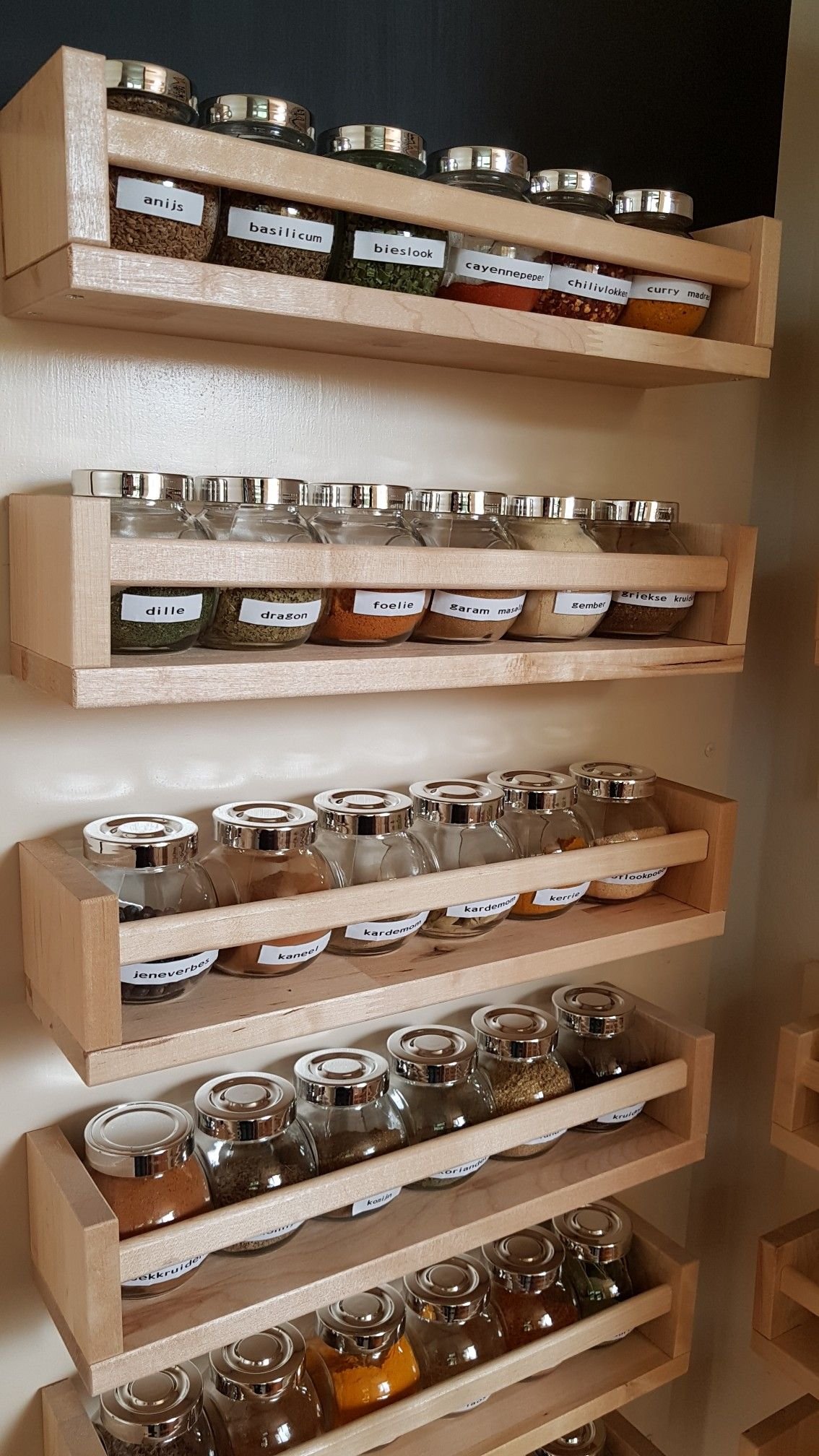
Ground spices lose flavor within 6–12 months; whole spices last 2–3 years. That cute rack above your stove? It’s the worst spot — heat and light kill flavor fast. Store spices in a cool, dark cabinet away from the stove. Buy small quantities from bulk bins or stores with high turnover rather than giant warehouse jars you’ll never finish. And date your jars with a marker when you open them. The sniff test never lies: if it doesn’t smell like anything, it won’t taste like anything.
The spice article on Wikipedia covers history and varieties, and The Spice House has excellent freshness and usage guidance.
Building Flavor: How to Actually Use Your Spices
Owning spices and using them well are different skills. The most important technique is blooming: heating ground spices in oil or butter for 30–60 seconds before adding other ingredients. This wakes up the fat-soluble flavor compounds and transforms raw, dusty spice into deep, rounded flavor. It’s the difference between chili that tastes flat and chili that tastes like it simmered all day. Add spices early for mellow depth, late for bright punch — many dishes benefit from both.
Toast whole spices before grinding: cumin seeds, coriander, peppercorns in a dry skillet over medium heat until fragrant (2–3 minutes), then grind. The flavor difference versus pre-ground is staggering — it’s the closest thing to a cheat code in cooking. A cheap coffee grinder reserved for spices pays for itself in weeks. And salt in layers: a pinch when blooming spices, more as the dish builds. Salt doesn’t just add saltiness; it amplifies every other flavor, including spices.
Finally, taste and adjust at the end. Spices fade during cooking, so finish with a fresh pinch of the key spice — a little extra cumin in the chili, fresh cracked pepper over the pasta — to restore brightness. Keep a small notebook (or phone note) of what worked: “added smoked paprika to roasted carrots — amazing.” Your palate is the best teacher, and these notes become your personal flavor playbook within months.
The Takeaway
Twelve spices, stored away from heat, replaced yearly, will carry you through the vast majority of home cooking. Start there, add as recipes demand, and skip the grains of paradise until year three. Your food — and your wallet — will thank you.