
How to Make Restaurant-Quality Pasta Sauce at Home
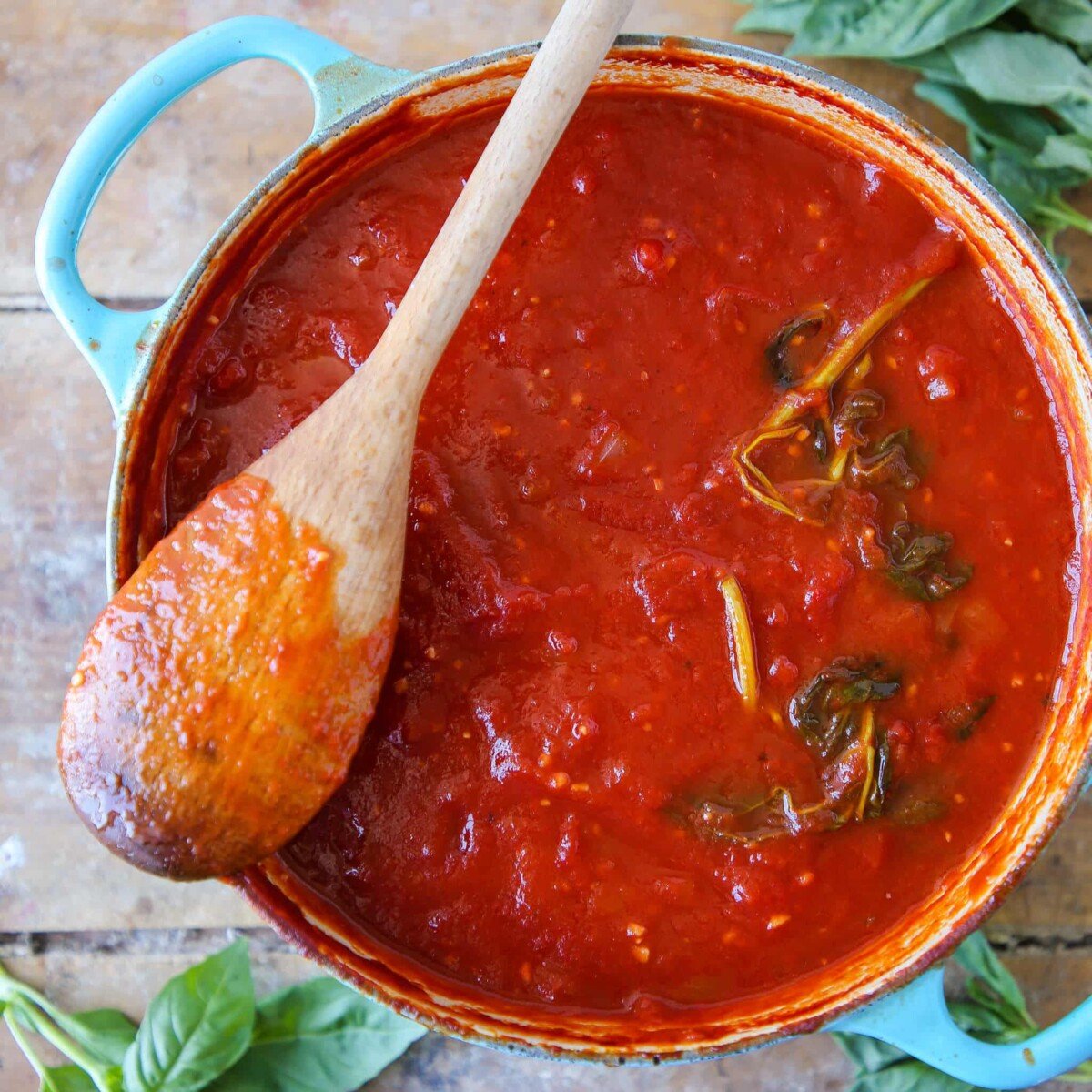
How Do I Make Restaurant-Quality Pasta Sauce at Home?
You’ve had the experience: restaurant pasta arrives glossy, with sauce clinging to every strand, tasting somehow deeper than anything from your kitchen. Then you go home, and your pasta is… fine. How do I make restaurant-quality pasta sauce at home? I spent a year obsessively reverse-engineering restaurant pasta — eating it, interrogating waiter friends, testing techniques side by side — and the gap isn’t about secret ingredients or expensive tomatoes. It’s about five techniques that restaurants do reflexively and home cooks skip. Master these, and your Tuesday-night spaghetti will embarrass the Italian place down the street.
Secret 1: Finish the Pasta IN the Sauce
This is the big one — the technique behind that glossy, clinging sauce. Restaurants never just pour sauce over drained pasta. Instead: cook your pasta 1–2 minutes shy of al dente, then transfer it directly into the simmering sauce with a splash of pasta water. Toss vigorously over heat for 1–2 minutes. The pasta finishes cooking in the sauce, absorbing flavor, while the starches emulsify the sauce into a glossy coating that clings instead of pooling at the bottom of the bowl. This single change will transform your pasta more than any ingredient upgrade.
Secret 2: Pasta Water Is Liquid Gold
That cloudy pot of pasta water is full of dissolved starch — a natural emulsifier and thickener. Before draining, scoop out a cup. Add splashes to your sauce while tossing and watch thin, watery sauce turn silky and cohesive. Restaurants use this constantly; it’s why their sauces coat instead of slide off. Salt your pasta water aggressively too — it should taste like the sea. This is the only chance to season the pasta itself.
Secret 3: Build Flavor in Layers
A great sauce isn’t dumped together; it’s built. Start by blooming aromatics — garlic, onion, chili flakes — in olive oil until fragrant but not browned. Add tomato paste and cook it until it darkens from bright red to brick red (this caramelizes the sugars and kills the raw, tinny taste). Then add your canned tomatoes. Deglaze with wine if you’re feeling fancy. Each layer adds depth the last one couldn’t. And use whole peeled San Marzano-style tomatoes, crushed by hand — they taste noticeably better than pre-crushed, which often include tougher tomato bits and added puree.
Secret 4: Fat Is Flavor (Use Enough)
Home cooks chronically under-fat their sauces. Restaurants don’t. A proper marinara gets a generous glug of good olive oil; a meat ragù gets rendered fat from the meat plus more. Finish with a knob of cold butter swirled in off the heat for richness and shine, or a shower of real Parmigiano-Reggiano (the rind simmered in the sauce adds incredible depth — save your rinds). Fat carries flavor to your palate and gives sauce its luxurious mouthfeel. This isn’t the place for restraint.
Secret 5: Time (Even 20 Minutes Helps)
A sauce simmered 20 minutes tastes fundamentally different from one simmered 5. The acids mellow, flavors marry, and everything deepens. You don’t need the all-day Sunday gravy — though that’s wonderful — but give your sauce at least 20–30 minutes of gentle simmering. Taste and adjust salt at the end, not the beginning; reduction concentrates saltiness.
How Do I Make Restaurant-Quality Pasta Sauce at Home? Putting It Together
Here’s the weeknight marinara that uses all five secrets: sauté sliced garlic and chili flakes in ¼ cup olive oil until fragrant. Add 2 tablespoons tomato paste; cook until darkened. Crush a 28-oz can of whole tomatoes by hand into the pot. Simmer 25 minutes with a parmesan rind and torn basil. Meanwhile, boil pasta in well-salted water. Transfer pasta to the sauce 2 minutes early with ½ cup pasta water; toss over heat until glossy. Finish with butter, more basil, and grated parmesan. Thirty-five minutes, one pot, restaurant results. It pairs beautifully with homemade bread for mopping up every last drop.
The Cheese Question
Buy a wedge of real Parmigiano-Reggiano and grate it fresh. The pre-grated green can contains anti-caking cellulose and tastes like salty sawdust by comparison. Real parmesan melts into sauce; the canned stuff just sits there. It’s more expensive per pound but you use less, and the difference is not subtle.
For deeper technique, the pasta article on Wikipedia covers shapes and traditions, and Serious Eats has rigorously tested sauce methods.
Beyond Marinara: Four Sauces to Master
Once marinara is dialed in, these four sauces cover nearly every pasta craving. Cacio e pepe: the minimalist Roman classic — just Pecorino Romano, black pepper, and pasta water. It looks simple and humbles experienced cooks; the trick is adding cheese off the heat with constant tossing to prevent clumping. When it works, it’s transcendent. Carbonara: eggs, Pecorino, guanciale (or pancetta), black pepper — no cream, ever. The heat of the pasta cooks the eggs into silk. Add the egg mixture off direct heat or you’ll make scrambled eggs.
Aglio e olio: garlic, olive oil, chili flakes, parsley. Ten minutes, five ingredients, endlessly satisfying — the ultimate late-night pasta. Puttanesca: tomatoes, olives, capers, anchovies, garlic. Briny, punchy, and the anchovies dissolve completely (skeptics never detect them, only the depth). Each sauce follows the same finishing principles: pasta into sauce, pasta water, toss over heat. Master the method once, apply it everywhere.
For a creamy baked option that uses similar building blocks, our no-roux mac and cheese applies the same emulsion principles to a different dish — once you understand how starch and fat come together, a whole world of sauces opens up.
Plating Like a Restaurant
You’ve made restaurant-quality sauce — now plate it like one. Warm your bowls first (hot pasta in a cold bowl cools fast). Use tongs to twist the pasta into a nest rather than dumping it — the height looks professional and it’s genuinely easy with practice. Spoon extra sauce over the top rather than mixing it all in; the contrast looks appetizing. Finish with grated Parmigiano-Reggiano, torn basil, a drizzle of your best olive oil, and flaky salt. Serve immediately — pasta waits for no one, and the glossy emulsion is at its peak in the first minutes. Your Tuesday dinner just got a promotion.
The Takeaway
Finish pasta in the sauce, use the pasta water, layer your flavors, don’t fear fat, and give it time. Five habits — no special ingredients — and your home pasta closes the gap with the restaurant completely. The Italian place down the street should be nervous.