
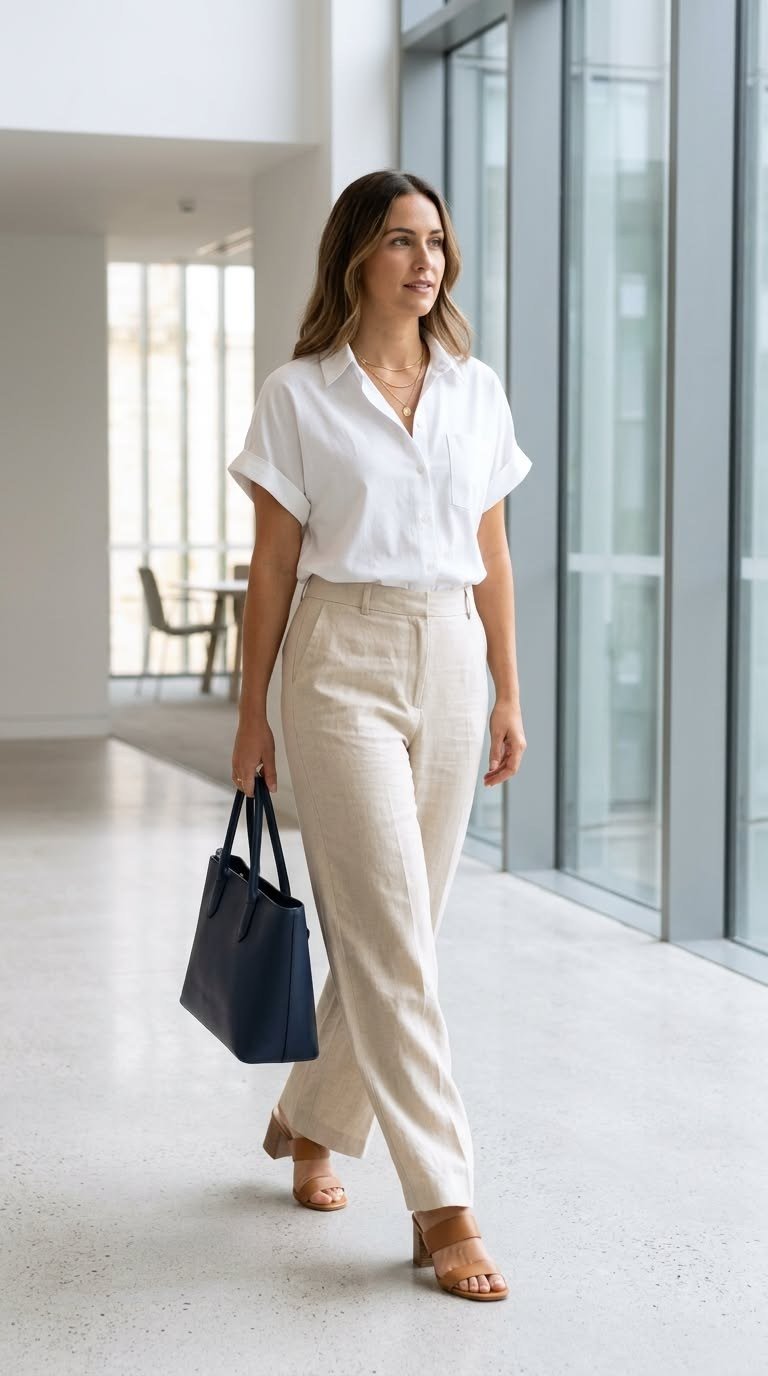
What should I wear to a casual office with no dress code
Here’s what I’ve learned after years of getting dressed wrong: style isn’t about having the “right” clothes. It’s about understanding a few principles and then wearing what you already like with more confidence. So if what should I wear to a casual office with no dress code has been on your mind, relax. You’re closer than you think, and this article will close the gap without asking you to buy a whole new wardrobe.
"No dress code" sounds like freedom, but it's actually a test — one with no right answers and plenty of wrong ones. I've seen people interpret it as pajamas-adjacent and others as business-casual-with-anxiety, and both missed the mark. A casual office without a dress code still has norms; they're just unwritten, which makes them harder to read and easier to violate. The goal is the same as any workplace: look competent, intentional, and like you belong — without overdressing the room.
What should I wear to a casual office with no dress code — What Actually Works
The framework: dress for the most formal thing that could happen today, then relax one notch. In practice, that means elevated casual as your baseline — dark jeans or chinos (no rips), a button-down, polo, or quality knit, clean minimal shoes. Read the room in your first weeks: notice what the people who get promoted wear, not just what's allowed. The unwritten rules that keep you safe: everything clean, wrinkle-free, and fitting well (casual doesn't mean sloppy — that's the line); no gym clothes, beachwear, or anything you'd wear to bed, no matter how "casual" the office claims to be; one step above client-facing days when clients actually come; and grooming held to a professional standard even when clothes are relaxed. The power move in casual offices is subtle polish — the person in a perfect-fitting sweater and clean boots stands out more than the person in a suit, because they look intentional rather than overdressed. Keep one blazer at the office for surprise meetings; it upgrades any outfit in seconds.
Before the how, let’s talk about the why — because understanding the logic makes every decision about wearing to a casual office with no dress code ten times easier. Clothes are communication: they tell the room how seriously to take you before you’ve said a word. That’s not vanity, it’s just how humans work. The goal here isn’t to impress strangers; it’s to make sure what you’re wearing supports the impression you actually want to make.
If you want a second opinion from an authoritative source as you go, GQ's casual office style guide and Who What Wear on casual office outfits are both solid places to cross-check what you read here.
The Logic Behind Wearing to a casual office with no dress code
Fashion editors and stylists tend to converge on the same principles for wearing to a casual office with no dress code, and it’s not a coincidence. When professionals who dress people for a living keep repeating the same advice — fit first, build a versatile core, buy for your real life — it’s because it works across bodies, budgets, and decades. Trends are the decoration; these principles are the structure.
For a related angle, our guide to How do I find good movies to watch without scrolling for an hour pairs well with what you’re learning here — the two topics overlap more than most people realize.
Your Practical Game Plan
- Dress for the most formal thing that could happen, then relax one notch.
- Watch what promoted people wear — that's the real dress code.
- Casual never means sloppy: fit, clean, and wrinkle-free always.
- Keep a blazer at the office for surprise meetings.
- No gym clothes or sleepwear, no matter how casual they claim it is.
Mistakes That Undermine Most People
Shopping without a plan
Walking into a store (or opening an app) with no plan is how you end up with five tops and no bottoms. Before spending anything on wearing to a casual office with no dress code, make a short list of actual gaps. Planned purchases get worn; impulse purchases get donated. The list takes five minutes and saves hundreds.
Keeping clothes that make you feel bad
If you put it on and immediately want to change, it's not serving you — no matter what you paid for it. I finally donated the "someday" pile last year and my mornings got measurably better. wearing to a casual office with no dress code gets easier the moment your closet stops containing landmines.
Ignoring fit and hoping nobody notices
Everyone notices. A $40 shirt that fits perfectly looks better than a $400 shirt that doesn't — this is the single highest-leverage truth in dressing well. Fit is the difference between "put together" and "wearing clothes." When in doubt, size for your largest measurement and tailor the rest.
Chasing trends instead of building a foundation
Trends are fun, but they're rented excitement — here today, embarrassing in photos by next year. I've wasted real money learning this. For wearing to a casual office with no dress code, get the timeless core right first, then sprinkle in one or two trendy pieces if you genuinely love them. The foundation is what people actually notice.
What To Do This Week
If you take one thing from this guide to wearing to a casual office with no dress code, let it be this: fit and intention beat price tags every time. You don’t need a new wardrobe — you need a clearer eye. Spend an hour with your closet before you spend a dollar at a store. Try things on, be honest about what works, and build from there. Looking good on a budget isn’t a compromise; honestly, it’s the whole sport.
One more resource worth bookmarking: Is vinyl actually better sounding than streaming music covers adjacent ground that’ll reinforce everything above.
A note of caution: Invest in versatile elevated-casual staples (dark jeans, quality knits, good shoes); save on trendy casual pieces.
Quick Answers To Common Questions
Does wearing to a casual office with no dress code work on a tight budget?
Absolutely — some of the best-dressed people I know spend very little. Thrift stores, end-of-season sales, and simple tailoring on cheap pieces are the budget playbook. The secret is that wearing to a casual office with no dress code is mostly about decisions, not dollars: fit, color, proportion, and intention cost nothing. Money helps at the margins; judgment does the heavy lifting.
How do I know if wearing to a casual office with no dress code advice actually suits me?
Try it for a week and pay attention to two things: compliments (or at least the absence of that nagging "this feels off" sensation) and how you feel wearing it. Advice is a starting point, not law. Your lifestyle, your body, and your taste get the final vote. The goal of any guide — including this one — is to give you tools to develop your own judgment, not to dress you by remote control.