
Is Vinyl Actually Better Sounding Than Streaming Music?
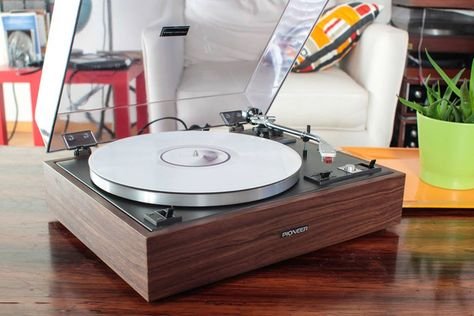
Is Vinyl Actually Better Sounding Than Streaming Music?
Vinyl sales have grown for over a decade straight, and devotees swear records sound “warmer,” “richer,” “more alive” than streaming. So is vinyl actually better sounding than streaming music? I own both a turntable and a streaming subscription, I’ve A/B tested the same albums on both, and I have opinions — including one that surprised me. The honest answer is more nuanced than either camp admits, and it has less to do with the format war than with mastering, equipment, and psychology. Let’s dig in.
The Technical Reality: Streaming Measures Better
Let’s get the specs out of the way. A lossless stream (CD-quality or hi-res) has wider dynamic range, lower noise floor, less distortion, and flatter frequency response than vinyl — objectively, measurably. Vinyl has surface noise, channel crosstalk, inner-groove distortion, and limited dynamic range (loud bass literally can’t be cut into grooves without the needle jumping). On paper, digital wins every technical category. Anyone claiming vinyl is technically superior is arguing against physics.
Is Vinyl Actually Better Sounding Than Streaming Music? The Mastering Twist
Here’s where it gets interesting: many vinyl pressings genuinely sound better than their streaming counterparts — not because of the format, but because of the mastering. The “loudness war” pushed CD and streaming masters toward heavy compression (everything loud, no dynamics), while vinyl’s physical limitations forced more dynamic, careful masters. So when someone says “this record sounds better than Spotify,” they’re often right — they’re comparing a good vinyl master to a crushed digital master. Compare a well-mastered hi-res digital file to the vinyl, and digital wins. The format is rarely the variable; the master is.
When Vinyl Genuinely Sounds Better
- Older albums originally mastered for vinyl (60s–80s classics): the vinyl master is often the definitive version, made with care for the format.
- Audiophile reissues from labels known for quality mastering — these can sound spectacular.
- Your specific setup: a $1,000 turntable rig vs. phone speakers isn’t a fair fight. Compare equivalent-quality chains.
When Streaming Wins Easily
- Modern albums with good digital masters: clean, dynamic, noise-free.
- Hi-res streaming tiers: lossless CD-quality or better, no surface noise, no wear.
- Convenience contexts: car, gym, commute — vinyl isn’t competing here anyway.
- Budget setups: a cheap turntable with a bad stylus sounds worse than Spotify on decent headphones, and it wears out your records doing it.
Why People Love Vinyl Anyway (and They’re Not Wrong)
Here’s my real take: vinyl’s appeal was never purely about fidelity. It’s the ritual — choosing a record, dropping the needle, listening to a whole side without skipping. It’s the large artwork, the liner notes, the physical ownership in an age of rented access. And yes, there’s a psychoacoustic element: the slight warmth of analog distortion and the engagement of active listening make music feel better, which is a real experience even if the waveform disagrees. If vinyl makes you listen more attentively, it genuinely improves your musical life — just not for the reasons audiophile forums claim.
Should You Get Into Vinyl?
Only if you want the hobby, not just “better sound.” A decent starter setup (turntable, phono preamp, speakers) runs $300–500, and records cost $25–40 each. That’s a real investment versus a $11/month streaming subscription. Buy vinyl for albums you love, for the ritual, for the collection — and keep streaming for discovering new music. They’re complements, not competitors. And if you’re building a physical collection on a budget, our guide to starting a collection affordably applies perfectly to records.
For the audio science, the analog vs. digital recording comparison on Wikipedia is thorough and balanced.
Building a Vinyl Setup That Doesn’t Disappoint
The biggest vinyl mistake is cheap gear. A $99 suitcase turntable with a heavy, unadjustable tonearm sounds bad and wears out records — the worst of both worlds. The entry point that actually satisfies: a decent belt-drive turntable ($200–300) with an adjustable counterweight, a built-in or external phono preamp (required — turntable signals need amplification and EQ correction), and powered speakers or an amp + passive speakers ($150–300). Total: $400–600 for a setup that genuinely sings.
Used gear is the smart play: vintage turntables from the 70s–80s (Technics, Dual, Pioneer) are built like tanks and often outperform new budget tables — check local listings and have the belt and stylus replaced. Upgrade order when improving: stylus/cartridge first (biggest sound difference), then speakers, then the turntable itself. And take care of records: anti-static brush before every play, inner sleeves replaced with anti-static ones, stored vertically in a cool place. A well-cared record lasts effectively forever; a neglected one degrades audibly within dozens of plays.
Where to buy records without going broke: used record stores and dollar bins (the thrill of the hunt), Discogs for specific pressings (check seller ratings and pressing reviews — not all pressings are equal), estate sales (entire collections for pennies), and new releases from artists you love (direct support + often lovely packaging). Avoid: picture discs (they sound worse — they’re collectibles, not listening copies) and ultra-cheap reissues of unknown provenance.
Vinyl and Streaming Together: The Best of Both
The healthiest approach is complementary, not competitive. Stream for discovery — explore endlessly, build playlists, find new artists (our music discovery guide has methods beyond the algorithm). Buy vinyl for the keepers — the albums you return to yearly, the ones that deserve the ritual. Digitize selectively if you want: a USB turntable or recording setup lets you take vinyl-only rarities on the go.
This hybrid model also solves vinyl’s cost problem: instead of buying everything, you buy 10–15 records a year that truly matter. The collection stays curated, the spending stays sane, and every record on the shelf is one you chose deliberately. That’s a collection with a story — which is, in the end, what vinyl is really about.
The Takeaway
Technically, lossless streaming beats vinyl. Practically, vinyl often wins because of better mastering and the listening ritual. Buy records for the experience and the music you love; stream for everything else. The format war is over — both won, in different ways.