
What Jobs Are Safest From Being Replaced by AI?
What jobs are safest from being replaced by AI? With AI headlines swinging between “everyone is doomed” and “nothing will change,” it is hard to know how to plan a career. Here is a grounded framework: AI excels at pattern recognition, prediction, and generation within well-defined domains — and struggles with physical dexterity in unpredictable environments, genuine human trust, novel judgment, and accountability. The safest jobs cluster where those human advantages are strongest. This is not about picking a “safe” career out of fear; it is about understanding where human value concentrates so you can build toward it.
The safety framework: what AI cannot do well
Four durable human advantages:
- Physical work in unpredictable environments. AI can read X-rays; it cannot fix your plumbing. Robots are clumsy, expensive, and bad at novelty — the physical world remains stubbornly human.
- Trust-based relationships. People want a human doctor delivering bad news, a human lawyer in court, a human therapist. Trust is not a compute problem.
- Novel judgment and accountability. When situations are unprecedented and someone must take responsibility, humans decide. AI advises; humans answer for outcomes.
- True creativity and taste. AI remixes brilliantly but has no lived experience, no genuine perspective, no skin in the game. Original vision remains human.
The safest categories, concretely
Skilled trades
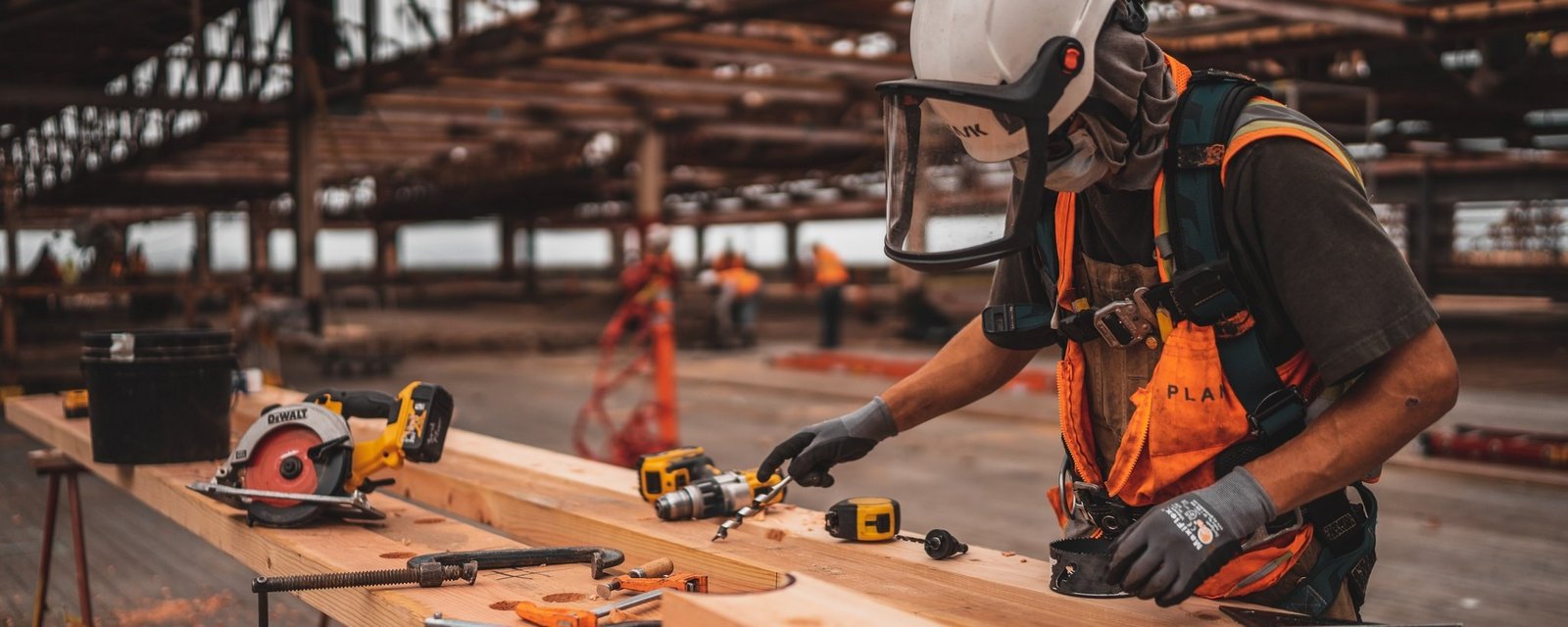
Electricians, plumbers, HVAC technicians, carpenters, welders — the trades sit at the intersection of physical dexterity, unpredictable environments, and real-time problem-solving. Every job site is different; every old house hides surprises. Add licensing requirements and chronic labor shortages, and the trades may be the single safest career category of the next two decades. The pay reflects it: experienced tradespeople routinely out-earn office workers, with zero student debt.
Healthcare (hands-on and relational)
Nurses, surgeons, physical therapists, dentists, paramedics, mental health professionals — healthcare combines physical skill, human trust, and high-stakes judgment. Note the nuance: AI is transforming medical diagnosis, but it is augmenting clinicians, not replacing them. The pattern across healthcare: AI handles pattern recognition (reading scans, flagging risks), humans handle everything else — which is most of the job.
Leadership, sales, and relationship roles
Executives, founders, top salespeople, account managers, fundraisers — roles where persuasion, trust, and navigating human complexity are the product. AI can draft the pitch deck; it cannot read the room, build the relationship, or close the deal. The premium on genuine human connection rises as AI handles more of the mechanical work around it.
Creative originators
Not all creative work is equally safe — routine content production is exposed. But original creative vision (the novelist with a unique voice, the designer with genuine taste, the strategist with contrarian insight) remains hard to automate because it requires having something to say. The differentiator: AI can execute in a style, but it cannot have a perspective born of lived experience.
AI-adjacent and oversight roles
Meta but true: AI trainers, AI auditors, AI ethicists, prompt engineers, and the domain experts who supervise AI systems are growing categories. Every deployed AI system needs humans who understand both the technology and the domain to keep it honest. These roles did not exist a decade ago; they will multiply.
The most exposed jobs (for honest calibration)
On the other side: data entry, basic bookkeeping, routine customer support (see AI’s impact on support jobs), telemarketing, basic copywriting, simple graphic production, paralegal research, junior analysis — anything that is primarily pattern-matching on a screen with clear right answers. If your job is mostly this, the strategic move is not panic but repositioning: move toward the judgment, relationship, and accountability layers of your field, which AI cannot reach.
What jobs are safest from being replaced by AI? How to AI-proof your career
Regardless of your field, five moves increase your durability:
- Become the human in the loop. Learn to supervise, verify, and improve AI output in your domain. The person who checks the AI’s work is safer than the person whose work the AI checks.
- Go up the judgment ladder. Move from execution (AI-vulnerable) to decision-making (AI-resistant): from writing reports to deciding what the reports mean.
- Build rare combinations. “AI-fluent nurse,” “data-savvy lawyer,” “technically literate contractor” — hybrids are hard to automate because the combination is uncommon.
- Invest in relationships. Clients, networks, reputation — the human capital AI cannot replicate.
- Stay adaptable. The specific safe list will shift. The meta-skill is learning speed: people who adopt new tools fast stay ahead of automation curves.
If you are choosing education now, weigh these dynamics against how AI is repricing college degrees — the credential matters less than the capabilities it represents.
The skills-first career strategy
Rather than betting on a single “safe” job title, build a skills-first career that adapts as automation shifts. Stack a durable skill with AI fluency: nursing plus health-informatics, electrical work plus smart-home systems, teaching plus instructional design. Collect proof continuously: certifications, project portfolios, measurable results — the evidence that gets you hired regardless of credential trends. Maintain a learning budget: 5 hours weekly on skill development is career insurance; the specific skills matter less than the habit. Build your network before you need it: relationships are the ultimate career safety net, and they compound quietly for years before paying off visibly. Careers are no longer ladders but portfolios — diversify yours.
The meta-lesson: every industry facing AI goes through the same cycle — denial, panic, then adaptation around the human edges. The winners in each cycle are not the ones who fought the technology but the ones who repositioned fastest toward what it cannot do.
The bottom line
The jobs safest from AI replacement share a pattern: they require physical skill in unpredictable settings, deep human trust, novel judgment with real accountability, or genuine creative vision. Skilled trades, hands-on healthcare, relationship-driven leadership and sales, original creatives, and AI oversight roles top the list. But the deeper lesson applies to every career: do not compete with AI at pattern-matching — build toward judgment, trust, and adaptability, the things that make you irreplaceably human. For the economic big picture, the long history of automation anxiety suggests societies adapt — but individuals still need their own plan.