
What Are the Best Low-Maintenance Pets for Apartment Living?
What are the best low-maintenance pets for apartment living? Want a pet but work long hours, travel occasionally, and live in 700 square feet? You’re not alone — and you’re not out of options. The right choice gives you companionship without the demands of a high-energy dog or the space needs of larger animals. I’ve kept or helped care for most of the animals on this list, and I’ll be honest about the real work each one requires — because “low maintenance” doesn’t mean “no maintenance.”
What “Low Maintenance” Actually Means
Let’s define terms. A low-maintenance apartment pet should: fit comfortably in small spaces, not need hours of daily attention, tolerate your work schedule, be quiet enough for shared walls, and not destroy the apartment. Every animal below meets that bar — with honest notes on what they do need.
The Top Picks
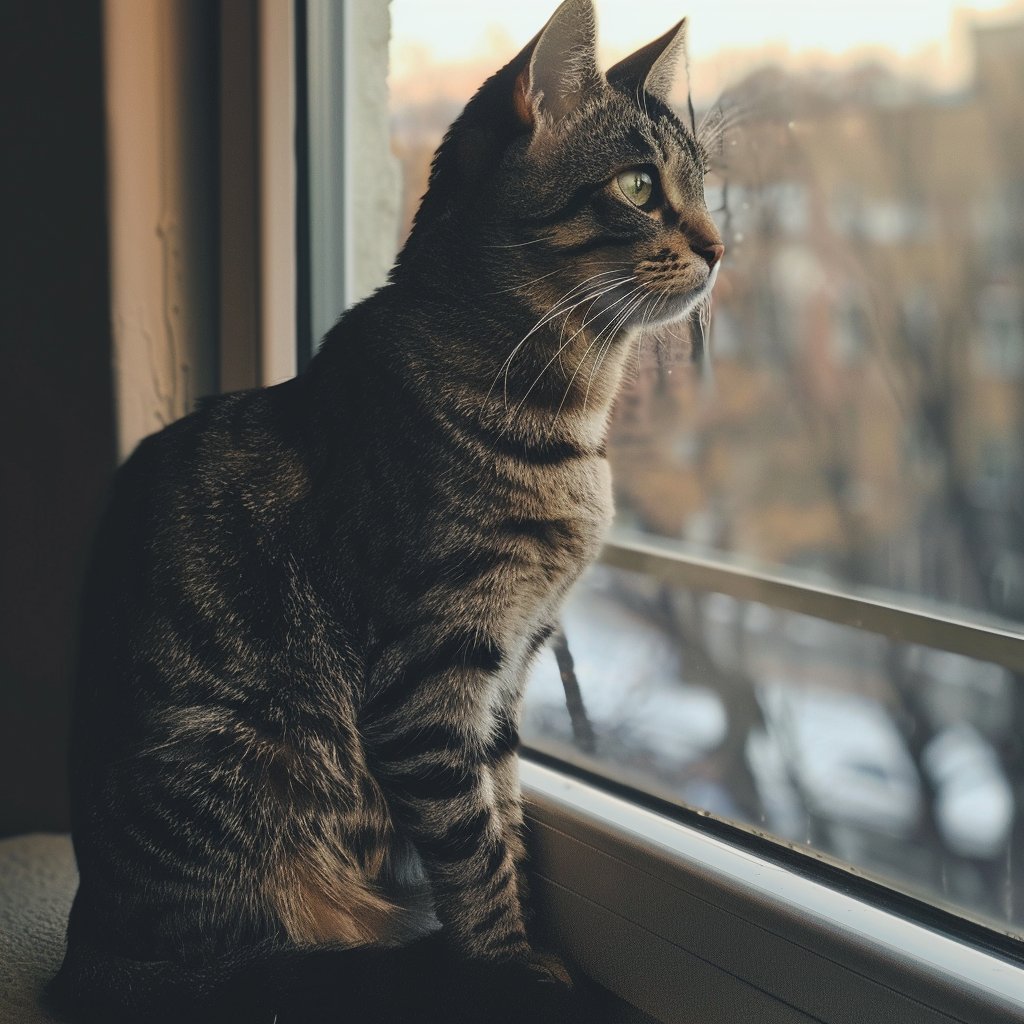
1. Cats (the apartment classic)
The gold standard for a reason. Cats are independent, quiet, litter-trained, and perfectly happy in small spaces. Daily needs: fresh water, food, 5 minutes of litter scooping, and some playtime. They’re affectionate on their terms, which suits busy people perfectly. Considerations: scratching (get a scratching post on day one), and some landlords charge pet rent. Adopt an adult cat (1+ years) if you want a known personality and lower energy.
2. Betta fish
A single betta in a 5-gallon heated, filtered tank is genuinely low-effort: feed once daily, partial water change weekly (15 minutes). They’re beautiful, interactive (they recognize their owners), and silent. Avoid the tiny “betta vases” — they’re cruel and actually harder to maintain. A proper small setup costs $40–$60.
3. Leopard geckos
The reptile world’s best beginner pet. Docile, don’t smell, eat 2–3 times a week (live insects — this is the part to be okay with), and a 20-gallon tank fits anywhere. They’re crepuscular (active at dawn/dusk), quiet, and can live 15–20 years. Setup: ~$100–$150; ongoing costs are minimal.
4. Guinea pigs (in pairs)
Social, vocal (in a cute way), and endlessly entertaining. They need a roomy cage, daily fresh hay and veggies, and weekly cage cleaning (~30 min). Get two — they’re herd animals and lonely alone. Louder than you’d expect when they hear food bags, so consider your walls.
5. Rabbits (litter-trained)
Surprisingly great apartment pets when litter-trained (yes, really — most rabbits learn quickly). They’re quiet, can roam supervised, and are affectionate. Needs: daily hay/veggies, weekly litter change, and bunny-proofing cords. They chew — protect your cables or regret it.
6. Hermit crabs
Weird, fascinating, and very low-effort once the tank is set up (warm, humid). They need fresh food/water every few days and new shells as they grow. More of a “watch” pet than a “cuddle” pet, but genuinely interesting.
7. Senior dogs (the honorable mention)
Puppies are the opposite of low-maintenance, but a senior dog (7+ years) is a different animal entirely: calm, trained, happy with short walks, and content to nap while you work. Many shelters are desperate to place seniors. If you want a dog but not the chaos, this is the answer.
What Are the Best Low-Maintenance Pets for Apartment Living? The Decision Guide
- Want cuddles? Cat or rabbit.
- Want to watch, not handle? Betta fish or hermit crabs.
- Allergic to fur? Reptiles or fish.
- Travel a lot? Cats handle 2–3 days alone with extra food/water/litter; fish with auto-feeders handle a week. See our travel prep mindset — the same planning applies to pets.
- Tight budget? Adopted cat or betta. Avoid anything exotic with vet costs you can’t cover.
Before You Commit
- Check your lease. Pet policies, breed restrictions, deposits, and monthly pet rent vary wildly. Get it in writing.
- Budget the real cost. Food, litter/supplies, and vet care. Even “cheap” pets need vet funds — a $500 emergency vet visit shouldn’t be a crisis.
- Consider lifespan. That leopard gecko may outlive your current relationship, job, and apartment. Adopt for the animal’s whole life.
- Adopt first. Shelters are full of wonderful animals. Petfinder and local rescues should be stop #1.
If you’re weighing the travel factor heavily, pair your pet choice with staycation-style time at home — pets are the best excuse to enjoy your own space.
What Are the Best Low-Maintenance Pets for Apartment Living With Allergies?
Pet allergies complicate everything — but they don’t eliminate pet ownership. The key is understanding what you’re actually allergic to (usually the proteins in dander, saliva, or urine — not the fur itself) and choosing accordingly. Here’s the allergy-friendly rundown.
First, the genuinely hypoallergenic options: reptiles, fish, and amphibians produce no dander at all. A leopard gecko, a betta fish, or a small turtle tank gives you a living creature to care for with zero allergy risk. These are the safest choices for severe allergy sufferers, and they’re legitimately fascinating pets — not consolation prizes.
For the dog and cat lovers: no dog or cat is truly hypoallergenic, but some produce significantly less dander. Poodles, Portuguese water dogs, and schnauzers (dogs); Siberian, Balinese, and Russian Blue (cats) are the commonly cited lower-allergen breeds. But individual variation is huge — spend time with the specific animal before committing. And know that “hypoallergenic” marketing is often oversold; the only test that matters is your own reaction.
Management matters as much as species. Even with a moderately allergenic pet, these reduce symptoms dramatically: HEPA air purifier in the main room (the single biggest difference-maker), hard floors over carpet where possible, weekly washing of pet bedding, keeping the bedroom pet-free (your sleep sanctuary stays allergen-low), and regular grooming — wiping the pet down with a damp cloth between baths removes surface dander.
Consider allergy treatment alongside the pet. Many people successfully keep pets while managing allergies medically: daily antihistamines, nasal sprays, or allergen immunotherapy (allergy shots or sublingual tablets) can reduce sensitivity over time. Talk to an allergist before getting the pet — not after you’re attached and miserable. An allergist can test exactly what you’re reactive to and advise whether management is realistic.
The trial foster: the smartest move for uncertain allergy situations. Foster a pet for 2–4 weeks through a local rescue before committing. You’ll learn exactly how your body responds to that specific animal in your specific apartment — information no breed list can provide. If it works, adopt your foster (foster fails are the best fails). If it doesn’t, you’ve helped a rescue animal and learned without the guilt of rehoming. Everyone wins.
The Bottom Line
The best low-maintenance apartment pets — cats, bettas, leopard geckos, guinea pigs, rabbits, hermit crabs, and senior dogs — prove you don’t need a yard or endless free time for animal companionship. Match the pet to your lifestyle honestly, check your lease, budget for vet care, and adopt. The right low-key pet doesn’t add stress to apartment life; it subtracts it.
For pet care standards, the ASPCA’s pet care guides are the trusted reference, and Wikipedia’s pet article covers the history and science of human-animal companionship.