
How Do I Plan the Perfect Staycation at Home?
How do I plan the perfect staycation at home? A great vacation isn’t about distance — it’s about mindset. The perfect staycation gives you the two things travel promises (rest and novelty) without the flights, the packing, or the bill. I’ve done staycations that were genuinely more restorative than real trips, and ones that felt like just… a weekend at home. The difference was planning. Here’s how to plan one that actually feels like getting away.
Set the Ground Rules First
A staycation fails the moment it becomes “a normal week with no work.” Set rules before it starts:
- No chores beyond the basics. Dishes and tidying, yes. Deep cleaning, organizing the garage, “finally fixing that shelf” — absolutely not. That’s not vacation.
- No work. Email off, Slack deleted for the week, out-of-office on. A staycation with work peeking in is just working from home.
- Act like a tourist. This is the golden rule. Do the things you’d do if you’d flown somewhere: sleep in, eat out, explore, be unproductive without guilt.
- Tell people. Let friends and family know you’re “away.” It sets expectations and makes it feel real.
Prep Your Space Like a Hotel
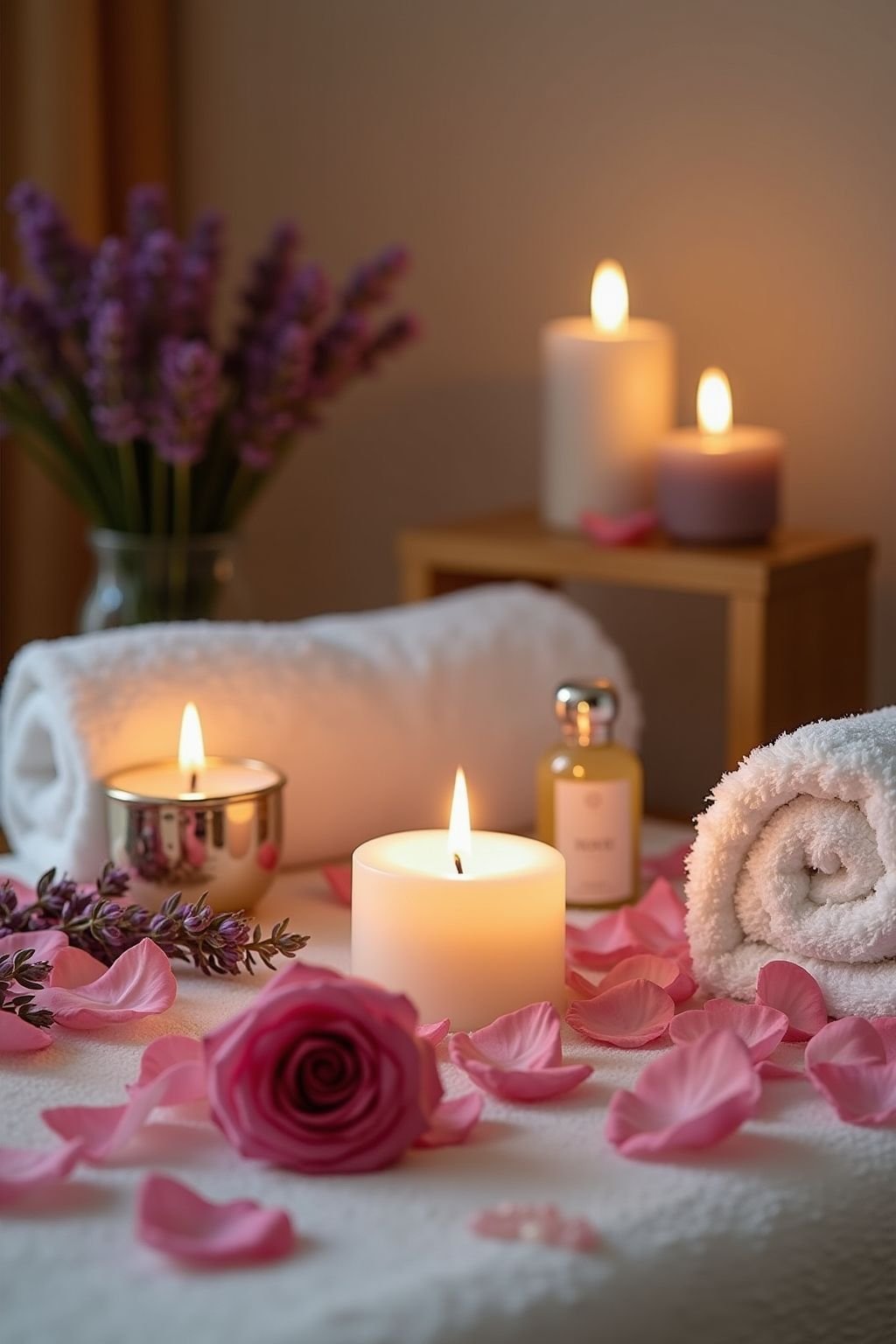
On day zero (before the staycation starts), do a reset: clean the house, change the sheets, stock the fridge with treats, and put fresh towels out. Walking into a clean home on “arrival day” creates the psychological break that travel normally provides. Light a candle, put flowers on the table — the $10 in touches pays off enormously.
Then hide the evidence of real life: put the bills in a drawer, close the home office door, stash the laundry basket. Out of sight, out of mind. If your space needs general help, our guide on making a small apartment feel bigger has quick wins.
How to Plan the Perfect Staycation at Home: Build a Loose Itinerary
The sweet spot is one planned activity per day, with the rest open. Too much structure feels like work; zero structure drifts into couch mode. Ideas:
- Be a tourist in your own city. Visit the museum you’ve never entered, take the food tour, walk the neighborhood you’ve only driven through. Locals consistently underuse their own city’s best attractions.
- Theme days. Spa day (bath, face mask, fancy tea), adventure day (hike, kayak rental, new trail), culture day (museum, indie film, bookstore crawl), food day (cook an elaborate meal or do a progressive dinner across local spots).
- One “splurge.” A nice dinner out, a massage, a day pass to a hotel pool — one real indulgence makes the whole week feel like vacation.
- Day trips. Anywhere within 90 minutes you haven’t been. The drive is short enough to feel easy, far enough to feel away.
- Do nothing, deliberately. Schedule at least one day with zero plans. Read in your cozy reading corner, nap, wander. Unscheduled time is a vacation feature, not a bug.
Eat Like You’re Traveling
Food is half of vacation. During your staycation: try the restaurant you’ve been meaning to visit, cook one ambitious meal you’ve never attempted, do a picnic in the park, get the fancy coffee. Break your routine — eat breakfast foods for dinner, have dessert first. Novelty on the plate creates novelty in the brain.
Capture It
Take photos like a tourist. Keep a short daily log of what you did. It sounds silly for a week at home, but documentation is part of what makes travel feel significant — it signals to your brain that this time mattered. You’ll enjoy rereading it later far more than you’d expect.
How Do I Plan the Perfect Staycation at Home With Kids?
A kid-free staycation is a retreat. A staycation with kids is a different project: part vacation, part summer camp, part survival. But it’s absolutely worth doing — kids love staycations when they’re planned with kid logic, and you’ll save thousands versus traveling with the whole crew.
Theme each day and announce it like an event. “Tomorrow is Water Day!” “Wednesday is Camping Day!” Kids experience time through anticipation, and a themed day feels like a real vacation day in a way that “we’re just hanging out” never does. Themes: water day (sprinklers, water balloons, kiddie pool), camping day (tent in the living room or backyard, s’mores, flashlight stories), art day, cooking day, adventure day (local hike or new park), movie day (with tickets you print and popcorn).
Recreate the hotel experience at home. Kids love hotels for specific reasons: the pool, room service, the novelty. Replicate the highlights: inflate the kiddie pool, do “room service” (breakfast delivered to their bedroom door on a tray), let them sleep somewhere novel (the living room fort, a tent). The novelty is what makes it feel like vacation — change the environment, even slightly.
Plan one outing per day, max. The mistake is over-scheduling: zoo, museum, and water park in three days burns everyone out. One morning outing, then home for lunch and quiet time. Afternoons are for the backyard, the fort, or rest. Kids (and parents) need downtime even on vacation — especially on vacation.
Relax the rules, strategically. Staycations are the time for the special dispensations: later bedtimes, extra screen time, dessert twice. Pick two rules to relax and keep the rest. The relaxed rules signal “this is special time” to kids more effectively than any activity. Just decide in advance which ones, so “special time” doesn’t become “feral week.”
Include one parent-survival element daily. A staycation where parents get zero rest isn’t a vacation — it’s childcare with decorations. Trade off: one parent gets a morning lie-in while the other does breakfast; afternoon quiet time is non-negotiable for everyone (kids read or rest in rooms, parents actually rest). Protecting parental recovery isn’t selfish; it’s what makes the whole week sustainable instead of something you need a vacation from.
The Bottom Line
Planning the perfect staycation at home is about treating your own life like a destination: prep the space, ban work and chores, plan one thing a day, eat well, and protect unscheduled time. Done right, you’ll return to normal life rested, with money still in the bank and a new appreciation for where you live. The best trips aren’t always the farthest ones.
For inspiration on local exploration, the National Park Service site lists parks and historic sites near you, and Wikipedia’s staycation entry traces how the concept took off.