
How to Start Collecting Something Fun on a Budget
How Do I Start Collecting Something Fun on a Budget?
There’s a particular joy in the hunt — spotting the missing piece at a flea market, completing a set years in the making, organizing a shelf of treasures that tell a story. How do I start collecting something fun on a budget? I collect vintage postcards (total investment over five years: under $200), and the hobby has given me more pleasure per dollar than almost anything else I do. Collecting isn’t about money; it’s about curiosity with a focus. Here’s how to start, what to collect, and how to keep it joyful instead of expensive.
Picking What to Collect
The best collections start with genuine interest, not investment potential. Ask: what do you already love? What do you notice in shops? Good budget-friendly collecting categories:
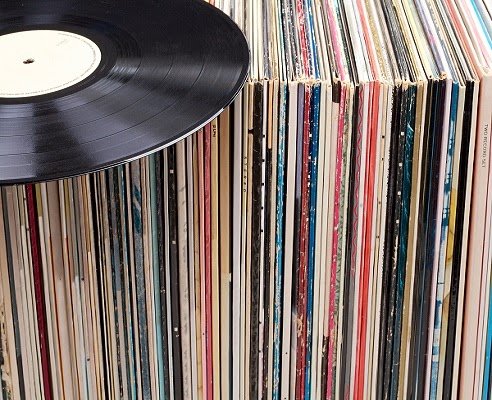
- Vinyl records: dollar bins are treasure troves — our vinyl guide covers the listening side.
- Postcards: vintage cards cost $0.25–2 each at flea markets; they’re history you can hold.
- Pins and patches: national parks, cities visited, bands seen — a wearable travel diary.
- Books (specific): a single author’s first editions, vintage sci-fi covers, cookbooks from a decade. Focus beats volume.
- Coins and currency: start with circulation finds and wheat pennies — numismatics has a nearly free entry point.
- Movie posters (mini/repro): lobby cards and small-format posters are affordable art.
- Plants: propagating and trading makes this nearly free after the first few.
- Stamps: the classic starter collection — kiloware bags (unsorted stamps by weight) cost pennies per stamp.
- Trading cards: pick a game or sport you love; bulk lots are cheap.
- Anything you find: sea glass, interesting rocks, ticket stubs — the best collections are personal, not valuable.
Rule of thumb: if the “investment value” is your main motivation, you’ll have less fun and probably lose money. Collect what delights you.
How Do I Start Collecting Something Fun on a Budget? The Sourcing Guide
Where the deals are
- Thrift stores and flea markets: the collector’s natural habitat. Go regularly; the good stuff goes fast.
- Estate sales: especially the last day, when everything’s half off. Whole collections get liquidated here.
- Dollar bins: record stores, comic shops, and bookstores all have them. Patience required, treasures guaranteed.
- Online: eBay (use saved searches with price alerts), Facebook Marketplace, collector forums. Set a max bid and walk away — discipline is the budget collector’s superpower.
- Trading: join collector communities online or locally. Trading duplicates for wants costs nothing and builds friendships.
- The wild: for natural collections (rocks, shells, sea glass), the source is free — just add curiosity.
Budget rules that keep it fun
- Set a monthly cap ($20–50 is plenty for most collections) and treat the constraint as part of the game — limits make finds more satisfying.
- The 24-hour rule: for anything over your impulse threshold, wait a day. Most “must-haves” fade.
- Upgrade, don’t accumulate: sell or trade lesser pieces to fund better ones. A focused collection of 50 great items beats 500 mediocre ones.
- Track what you have: a simple spreadsheet or app prevents duplicate purchases — the classic budget-collector mistake.
Display and Enjoyment
A collection hidden in boxes is just clutter with a story. Display matters: a dedicated shelf, a rotating “piece of the month,” framed arrangements of flat items. Photograph and catalog your collection — the documentation becomes part of the hobby. And share it: collector communities (Reddit, Discord, local clubs) are welcoming, knowledgeable, and full of trading opportunities. Half the joy is fellow enthusiasts appreciating your finds.
When Collecting Goes Wrong (Watch For This)
Honest cautions: completionism anxiety (the last 5% of a set costs 95% of the money — know when “complete enough” is fine), storage creep (set a space limit before you start), FOMO buying (limited editions manufactured to trigger urgency), and neglecting the why (if hunting feels like compulsion rather than joy, take a break). The hobby serves you, not the reverse.
Collector Communities: Finding Your People
Every collecting niche has a community, and joining one multiplies the fun. Reddit: there’s a subreddit for everything — r/vinyl, r/postcards, r/coins, r/pens — full of show-and-tell, advice, and trades. Discord servers for specific niches offer real-time chat and trading. Facebook groups skew older but have deep expertise and active buy/sell/trade threads.
Local clubs (coin clubs, stamp societies, record fairs) offer in-person trading, auctions, and mentorship from veterans who love teaching newcomers. Conventions and fairs — from massive (comic cons) to tiny (postcard shows) — are pilgrimage-worthy: dealers, fellow collectors, and finds you can’t get online. Trading etiquette: know approximate values, be honest about condition, ship carefully, and communicate promptly. Good trading partners become friends; the relationships outlast any single item.
The collecting overview on Wikipedia covers the psychology — and the research is clear: collecting satisfies deep human drives for completion, curation, and mastery. It’s not “just stuff.” It’s a meaningful hobby with real psychological benefits, and the budget version delivers all of them. For a complementary creative hobby, our guide to supporting local artists connects collecting with the living creators behind the work.
When to Sell (and When Never To)
Collections evolve, and selling is part of the hobby — done right. Sell to upgrade: the classic move — sell three good items to buy one great one. The collection improves while spending stays flat. Sell the orphans: items that no longer fit your focus fund the ones that do. A focused collection beats a sprawling accumulation.
Never sell under pressure: quick sales get quick (low) prices. Never sell the story pieces: the first find, the gift from a friend, the item with a memory attached — these are irreplaceable at any price. Document before selling: photograph and note the story; the memory persists even when the item moves on. And consider the next generation: the best collections become legacies — curated, documented, and passed down with their stories intact. That’s the ultimate budget move: a lifetime hobby that outlives you.
The Takeaway
Pick something you genuinely love, set a small monthly budget, haunt the thrift stores and flea markets, trade with fellow enthusiasts, and display what you find. Collecting on a budget isn’t a compromise — the constraints are what make the hunt thrilling.