
Is It Worth Refinishing Hardwood Floors or Replacing Them?
Standing in a house with scratched, dull hardwood floors, every homeowner faces the same fork in the road: refinish what’s there, or rip it out and start fresh? When you’re weighing is it worth refinishing hardwood floors or replacing them, the answer hinges on three things — the condition of your existing floors, the type of wood, and your budget. Get these right and the decision practically makes itself.
The Short Answer
If your floors are solid hardwood in structurally sound condition, refinishing is almost always worth it. It’s cheaper ($3–$8/sq ft vs. $8–$15+/sq ft for replacement), faster (3–5 days vs. 1–2+ weeks), less disruptive, and preserves the character of older wood that you literally cannot buy anymore. Replacement makes sense when floors are beyond saving — severe water damage, structural issues, or thin engineered wood that’s been refinished to its limit.
Is It Worth Refinishing Hardwood Floors Or Replacing Them?
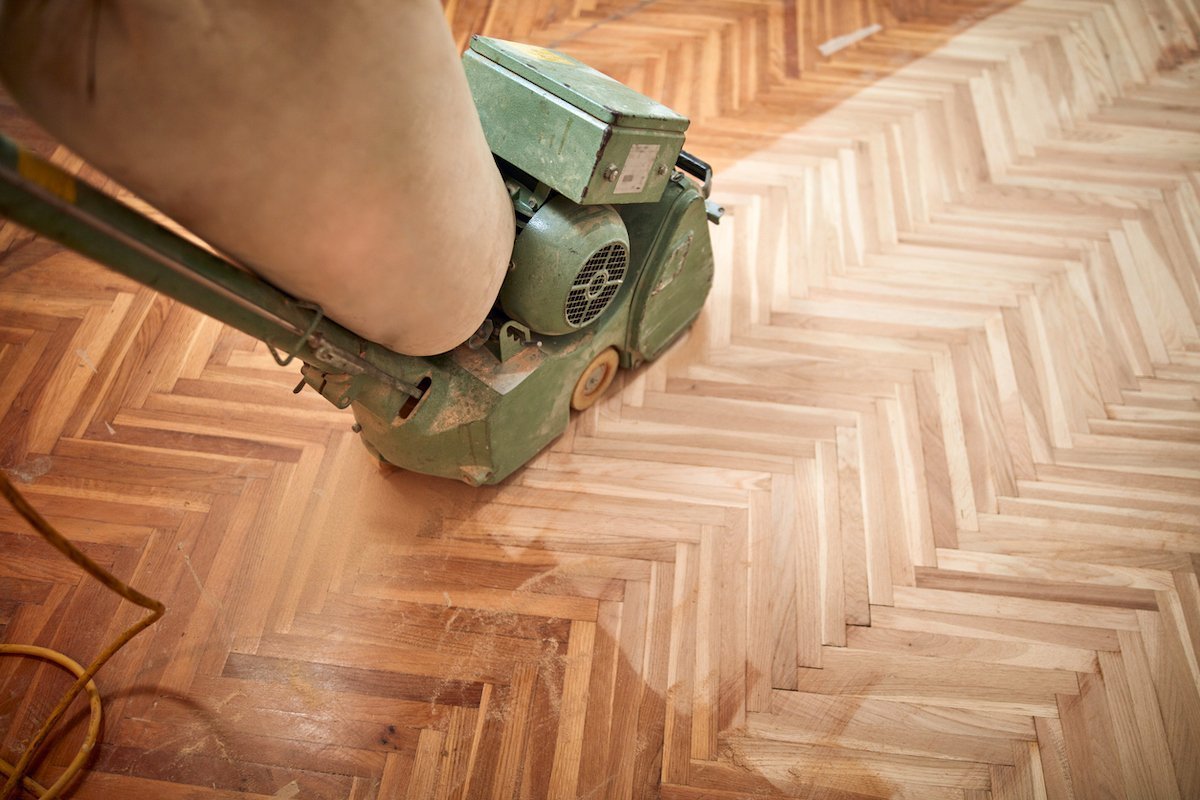
- Surface wear, scratches, and dullness. This is what refinishing exists for. Sanding removes the damaged top layer and reveals fresh wood underneath.
- You want a new color or sheen. Going darker is easy; going lighter requires more aggressive sanding but is very doable. Changing sheen is trivial.
- Old-growth wood. Pre-1950s floors are often tighter-grained, denser wood than anything sold today. Refinishing preserves irreplaceable material.
- Budget matters. Refinishing typically costs 40–60% less than replacement. For a 500 sq ft area, that’s roughly $1,500–$4,000 refinished vs. $4,000–$7,500+ replaced.
- You want less disruption. No demolition, no dumpster, no subfloor surprises. Just dust (contained by pros with dustless systems) and a few days of staying off the floors.
When Replacement Is the Right Call
- Severe water damage. Cupping, crowning, buckling, or black staining that goes deep — sanding can’t fix wood that’s structurally compromised.
- Engineered wood worn through the veneer. Engineered floors can only be refinished 1–2 times (some, never). If the wear layer is gone, replacement is the only option.
- Structural problems. Squeaking from damaged subfloor, widespread gaps from failed installation, or pet damage that’s penetrated deep.
- You hate the wood itself. If it’s a species, width, or pattern you fundamentally dislike, no amount of refinishing changes that.
- Asbestos or lead concerns in very old installations. Sometimes replacement (with proper abatement) is safer than disturbing old materials.
The “Screen and Recoat” Middle Option
Here’s what many homeowners don’t know: if your floors are in decent shape with just surface dullness and light scratches, you might not need full sanding. A screen and recoat (light abrasion + new topcoat, no stain change) costs $1–$2.50/sq ft, takes a day, and refreshes floors beautifully. It’s the best value in flooring maintenance and worth asking a pro about before committing to full refinishing. The catch: it doesn’t fix deep scratches or allow color changes.
DIY vs. Hiring a Pro
Refinishing is one of those projects that looks DIY-friendly on YouTube and punishes amateurs in practice. Drum sanders are aggressive — hesitate in one spot and you’ve gouged the floor. Edgers are worse. The rental costs ($200–$400 for equipment plus materials) eat much of the savings, and fixing a botched sanding job costs more than hiring a pro would have.
My take: hire a pro for full sand-and-refinish (get 3 quotes, check reviews, ask about dust containment). DIY only the screen-and-recoat if you’re handy — it’s far more forgiving. Either way, understand the basics of wood flooring types so you know what you’re working with before anyone starts sanding.
What About the Dust and the Smell?
Two things scare people off refinishing: dust everywhere and fumes. Both are manageable now. Modern dust-containment sanding systems capture the vast majority of dust at the source — ask specifically for this; it’s standard with good pros. For finishes, water-based polyurethane has low odor, dries fast (recoatable in hours), and doesn’t amber over time. Oil-based lasts slightly longer between recoats but smells strongly and yellows. For most homes, water-based is the better choice.
Plan to stay elsewhere for 2–3 nights during finishing regardless — not because it’s dangerous, but because wet finish + foot traffic = ruined work.
Cost Comparison at a Glance
- Screen and recoat: $1–$2.50/sq ft (1 day, no color change)
- Full professional refinish: $3–$8/sq ft (3–5 days)
- DIY refinish: $1.50–$3/sq ft in materials + rental (high skill risk)
- Replace with new hardwood: $8–$15+/sq ft (1–2+ weeks)
- Replace with LVP/laminate: $4–$10/sq ft (cheaper, but it’s not wood)
How to Tell If Your Floors Can Be Refinished Again
Solid hardwood can typically be sanded 4–6 times over its life, but how do you know how many sandings yours have left? Look for the tongue-and-groove: at a floor vent or threshold, you can sometimes see the board’s edge profile — if the wear layer above the tongue is thin (less than 1/8 inch), you’re near the limit. Pros assess this in seconds during a free estimate — ask specifically “how many more sandings do these have?” Engineered floors are trickier: check manufacturer specs for the veneer thickness (2mm+ can usually handle one careful refinish; thinner veneers cannot). When in doubt, the screen-and-recoat option doesn’t remove wood at all, making it safe regardless.
Timing Your Refinish Right
Schedule refinishing for mild, dry weather — spring or fall. Finish cures best between 60–80°F with moderate humidity; extreme heat, cold, or humidity extends cure times and can affect the finish quality. Also plan around your life: you’ll need to stay off the floors for 2–3 days and keep furniture out for up to a week with some finishes. Doing it before moving into a new house (or between tenants) is ideal — an empty house makes the job faster, cheaper, and dust-free for your belongings.
The Takeaway
Is it worth refinishing hardwood floors or replacing them? For solid hardwood in sound condition: refinish, every time. It’s cheaper, faster, less wasteful, and old wood has character you can’t buy. Replace only when there’s structural damage, a worn-through veneer, or wood you genuinely dislike.
And don’t overlook the screen-and-recoat option — it solves the most common complaint (dull, lightly scratched floors) for a fraction of the cost. Get a pro’s eyes on your floors before deciding; most reputable refinishers assess for free. Working on the rest of the house? Our guide to fixing squeaky floorboards and best flooring for homes with dogs cover the floors from every angle.
[…] methods exist specifically because builders learned from a century of squeaky nails. Our refinish vs. replace hardwood guide covers what to do when old floors need more than squeak […]