
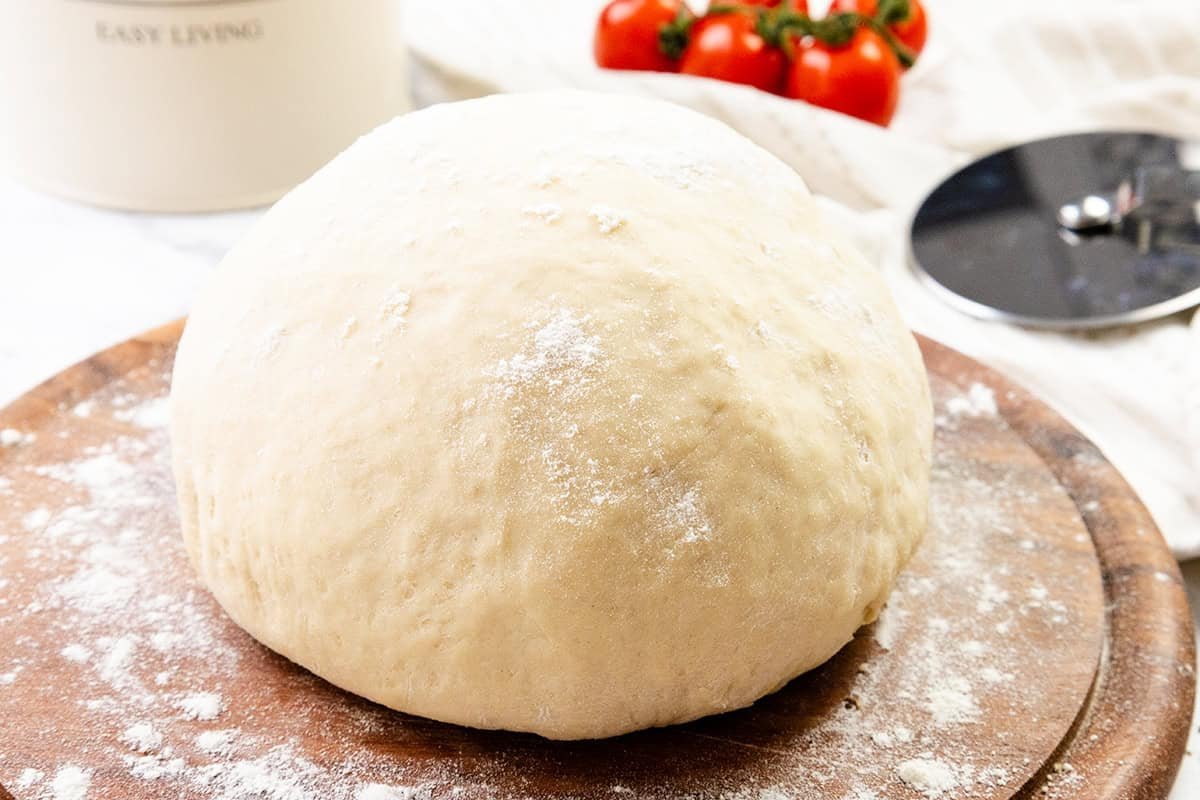
How Do I Make Homemade Pizza Dough From Scratch?
Store-bought dough works. Delivery works. But there’s a specific satisfaction in pulling a blistered, chewy-crusted pizza from your own oven, made from flour, water, salt, and yeast — four ingredients that cost under a dollar. If you’re asking how do I make homemade pizza dough from scratch, the recipe is simple. The technique has a few non-obvious details that separate good from great.
How Do I Make Homemade Pizza Dough From Scratch?
- 500g bread flour (about 4 cups) — bread flour’s higher protein makes chewier crust; all-purpose works in a pinch
- 325ml lukewarm water (about 1⅓ cups) — roughly 65% hydration
- 10g salt (2 tsp) — Diamond Crystal; reduce slightly for Morton
- 7g instant yeast (2¼ tsp, one packet)
- 15ml olive oil (1 tbsp) — optional; adds tenderness and flavor
Step-by-Step
- Mix: whisk flour and salt in a large bowl. Dissolve yeast in the lukewarm water (wrist-warm, not hot — see our bread dough troubleshooting if your yeast misbehaves). Add water + oil to flour, mix until a shaggy dough forms.
- Knead 8–10 minutes until smooth and elastic. It should pass the windowpane test (stretch thin without tearing). Slightly tacky is fine; soupy is not — resist adding much extra flour.
- Bulk ferment: place in an oiled bowl, cover, and rise until doubled — 1–2 hours at room temp. Or cold-ferment 24–72 hours in the fridge — this is the upgrade. Cold fermentation develops dramatically deeper flavor (the fermentation science rewards patience). If you plan ahead, always cold-ferment.
- Divide and ball: split into two equal portions, shape into tight balls (tuck edges underneath for surface tension). Rest covered 30–60 minutes at room temp before shaping — cold, tight dough fights you; relaxed dough stretches willingly.
- Shape by hand: press from the center outward, leaving a puffy rim for the crust. Never use a rolling pin — it crushes the air bubbles you spent hours developing. Stretch over your knuckles, letting gravity help. Imperfect circles taste identical to perfect ones.
- Top lightly. Less is more — a heavy hand makes soggy centers. Sauce thinly, cheese moderately.
- Bake as hot as your oven goes — 500–550°F, on a preheated pizza stone/steel or an upside-down sheet pan. 6–10 minutes until blistered and golden.
The Details That Matter
- Weigh your flour. Cup measurements vary wildly; 500g is 500g. A $15 kitchen scale is the best pizza investment after the stone.
- Hot oven, preheated stone. Home ovens can’t hit pizzeria temps, so maximize what you have: full blast, stone preheated 45–60 minutes. A pizza steel ($80–$100) transfers heat even better than stone.
- Don’t overload toppings. The #1 homemade pizza flaw. Wet toppings (fresh mozzarella, vegetables) release water — pat them dry first.
- Semolina or flour on the peel for launching — semolina acts like ball bearings and adds pleasant crunch.
- Sauce simply: crushed San Marzano tomatoes + salt + a drizzle of olive oil. Uncooked. The oven cooks it. Fancy sauce recipes are unnecessary.
Common Problems, Fixed
- Dough won’t stretch / springs back: it needs more rest. Cover and wait 20 minutes — gluten relaxes with time, not force.
- Soggy center: oven not hot enough, too many toppings, or sauce too wet. Hotter, less, drier.
- Didn’t rise: dead yeast or cold kitchen — see the bread troubleshooting guide linked above.
- Tough crust: over-kneaded, too much flour added, or overbaked. Tacky dough + hot fast bake = tender chew.
- Burnt bottom, raw top: stone too close to the bottom element; move to a higher rack or reduce preheat time slightly.
Make-Ahead and Freezing
Dough balls freeze beautifully: after shaping into balls, oil lightly, wrap individually, freeze up to 3 months. Thaw overnight in the fridge, then rest at room temp 1–2 hours before shaping. Friday pizza night becomes a 20-minute assembly job. Our freezing cooked pasta guide covers the same make-ahead philosophy for weeknights.
00 Flour vs. Bread Flour vs. All-Purpose: Does It Matter?
00 flour (doppio zero): finely milled Italian flour, the Neapolitan standard. Creates silky, extensible dough with a tender-chewy crust and beautiful leopard-spotted char. Best for: high-heat baking (pizza steels, pizza ovens). Harder to find, pricier. Bread flour (12–14% protein): the best widely-available choice — high protein develops strong gluten for chewy structure, and it browns well in home ovens. All-purpose (10–12% protein): works fine, slightly less chewy, a bit more tender — actually preferable if you like a softer crust. The verdict: bread flour for most home pizzaiolos (best chew in a home oven), 00 if you have a pizza oven or steel running screaming hot, AP if it’s what you have (still excellent pizza). The flour matters less than the fermentation — a 48-hour cold-fermented AP dough beats a same-day 00 dough every time.
Home Oven Maximum: Getting the Most Heat
Your oven’s 550°F max is far from a pizzeria’s 900°F, but you can close the gap: pizza steel ($80–$100) beats stone for heat transfer — it blasts the crust bottom with conductive heat, mimicking deck ovens. Preheat 45–60 minutes minimum; the steel needs to be fully saturated. Top rack + broiler finish: bake on the steel in the upper third, then 60–90 seconds under the broiler for leopard-spotted tops. Parchment paper under the pizza for the first 3 minutes prevents sticking disasters, then slide it out. Two pizzas? Let the steel recover 10 minutes between bakes. And calibrate your oven — many run 25–50°F cool; an oven thermometer ($10) tells the truth. With steel + broiler + full preheat, home pizza goes from “good for homemade” to genuinely pizzeria-class.
The Takeaway
How do you make homemade pizza dough from scratch? Mix flour, water, salt, yeast (and a little oil); knead until smooth; cold-ferment 24–72 hours for flavor; shape by hand without a rolling pin; bake at your oven’s maximum on a preheated stone or steel. Four cheap ingredients, a little patience, and pizza night is permanently upgraded.
The cold ferment is the real secret — plan Thursday for Saturday pizza and taste the difference time makes. Once this is in your rotation, delivery starts feeling like a compromise.