
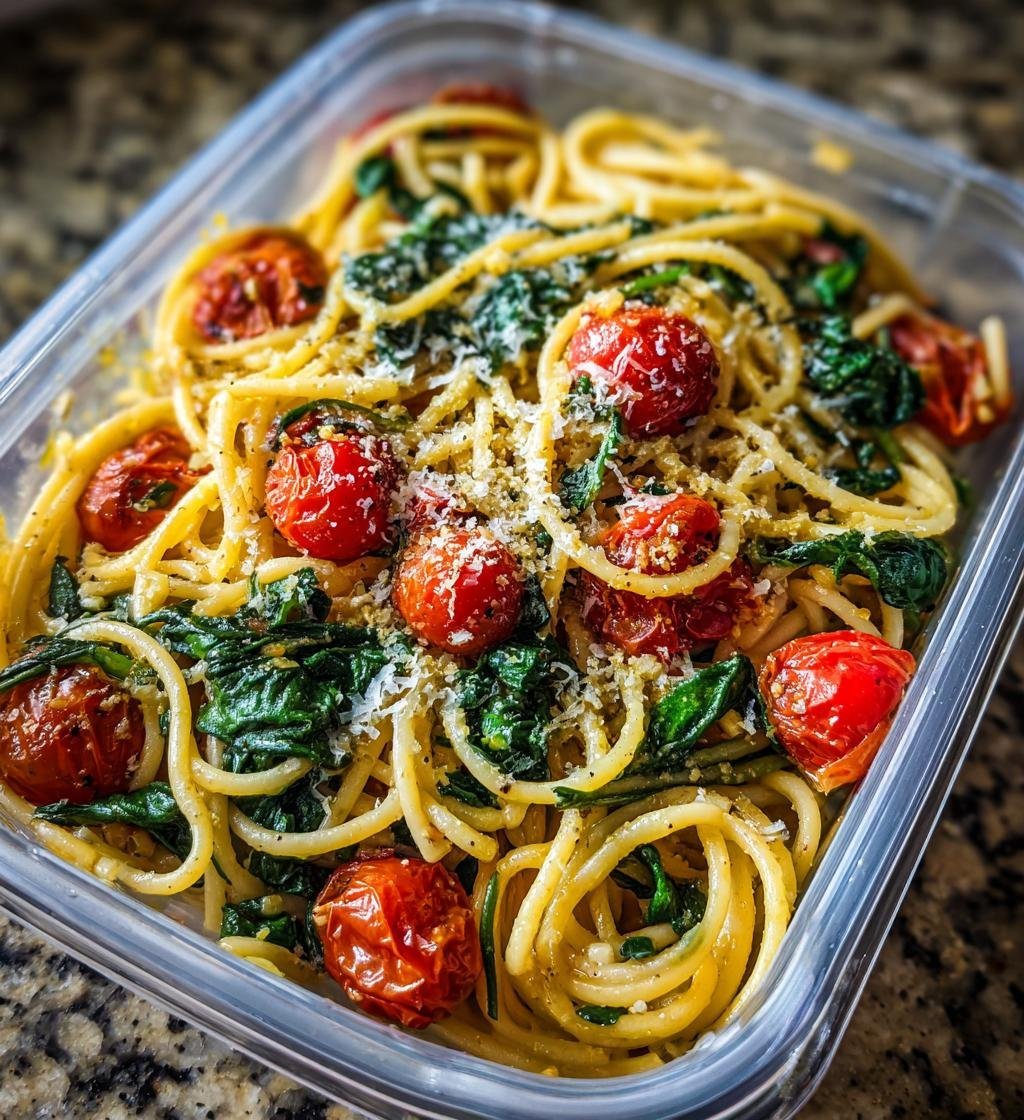
Can I Freeze Cooked Pasta for Later Meals?
You made too much pasta. Again. It happens to everyone — pasta portions are notoriously hard to judge. Before you resign yourself to three days of increasingly sad leftovers, know this: if you’re asking can I freeze cooked pasta for later meals, the answer is yes — with the right technique. Done wrong, frozen pasta turns mushy and disappointing. Done right, it’s a weeknight lifesaver.
The Short Answer
Yes. Cooked pasta freezes well for 1–3 months when frozen properly. The keys: cook it al dente (slightly underdone), cool it quickly, toss with a little oil, freeze in portion-sized flat packs, and reheat without overcooking. Pasta frozen in sauce actually holds up better than plain pasta — the sauce protects it.
Can I Freeze Cooked Pasta For Later Meals?
- Cook 1–2 minutes less than al dente. The pasta will cook a bit more when reheated — starting slightly underdone is the whole trick. Mushy frozen pasta is almost always pasta that was fully cooked before freezing.
- Drain and rinse briefly with cold water to stop the cooking. (Normally you’d never rinse pasta — this is the exception, because you’re deliberately halting carryover cooking.)
- Toss with 1–2 tsp olive oil per serving. This prevents the pieces from freezing into a solid clump.
- Cool completely — spread on a sheet pan for 15–20 minutes. Freezing warm pasta creates ice crystals and condensation.
- Portion into freezer bags — single-meal portions, pressed flat to remove air. Flat packs freeze faster, thaw faster, and stack neatly.
- Label with contents and date. Mystery bags become trash. Use within 3 months for best quality.
Freezing Pasta in Sauce (Even Better)
Assembled pasta dishes freeze beautifully — often better than plain pasta, because the sauce insulates and bastes:
- Baked pasta dishes (lasagna, baked ziti, stuffed shells): assemble, cool, wrap tightly in plastic + foil or use freezer-safe baking dishes with lids. Freeze before baking for best results; bake from frozen adding 20–30 minutes.
- Pasta with sauce, mixed: cool, portion into containers, freeze. Thaw and reheat gently — the sauce keeps everything moist.
- Sauce separately is also excellent: freeze sauce in portions, cook fresh pasta on serving day. Arguably the best quality of all, with minimal effort.
How to Reheat Without Ruining It
- From thawed (best): thaw overnight in the fridge, then toss into simmering sauce for 1–2 minutes, or microwave with a splash of water, covered.
- From frozen: drop directly into boiling water for 30–60 seconds (just to heat through, not cook), or into hot sauce for 2–3 minutes. The enemy is overcooking during reheat — you’re warming, not cooking.
- Baked dishes from frozen: cover with foil, bake at 375°F until bubbly (45–75 min depending on size), uncover for the last 10 minutes.
- Never refreeze thawed pasta. Food safety 101.
The FoodSafety.gov guidelines cover the temperature rules: cool cooked food within 2 hours, freeze at 0°F, and reheat to 165°F.
Which Pastas Freeze Best (and Worst)
- Best: sturdy shapes — penne, rigatoni, ziti, fusilli, farfalle. Baked dishes. Hearty sauces (ragù, baked tomato).
- Good: spaghetti and linguine (toss well with oil to prevent clumping).
- Avoid: delicate fresh pasta (tortellini, fresh egg noodles) — texture suffers. Cream/cheese sauces can separate (still edible, just less pretty — stir well when reheating). Very thin angel hair overcooks instantly on reheat.
The Meal-Prep Angle
Frozen pasta is a meal-prep superpower: cook a double batch of sauce on Sunday, freeze in portions, and weeknight dinner becomes “boil water + heat sauce” — 12 minutes, homemade quality. Pair with our meal prep cost guide for the full economics, and 30-minute dinners for the rotation.
The Freezer Assembly Line (Sunday Power Hour)
Turn pasta freezing into a weekly system: Sunday: make a double batch of sauce (ragù, marinara, or baked ziti assembly) while cooking a pound of pasta 2 minutes shy of al dente. Cool everything. Portion: divide into single or family servings — sauce in one set of containers, pasta in bags, or combine into complete meals. Label everything with contents, date, and reheating instructions (future-you is tired and will thank present-you). One hour, 6–10 meals banked. The economics: roughly $1.50–$2.50 per serving for homemade quality that beats $12 takeout. Rotation: use oldest first (first in, first out), and keep a freezer inventory on the fridge door — the #1 cause of freezer waste is forgetting what’s in there. Our meal prep cost guide covers the full budget picture.
What Doesn’t Freeze Well (Save Yourself the Disappointment)
- Cream-based sauces (alfredo, carbonara): the emulsion breaks on thawing — grainy, separated, sad. Freeze tomato-based instead.
- Delicate fresh pasta: tortellini, fresh egg noodles, and wonton-style pasta turn mushy. Stick to sturdy dried shapes.
- Pasta salads with mayo: mayonnaise separates when frozen. Freeze the pasta plain; dress fresh.
- Garnishes: fresh herbs, cheese toppings, breadcrumbs — add after reheating, not before freezing.
- Already-reheated pasta: each freeze-thaw cycle degrades texture. Freeze once, eat, done.
- Very thin pasta: angel hair and thin spaghetti overcook in the seconds it takes to reheat. Use penne, rigatoni, fusilli for freezing.
When in doubt, freeze components separately (sauce apart from pasta) — it gives you maximum flexibility and the best texture on reheating day.
Reheating Science: Why Gentle Wins
The texture battle is won or lost at reheating. Pasta starch continues absorbing moisture even when frozen — aggressive reheating (boiling, high microwave power) pushes it past al dente into mush in under a minute. The gentle method: thaw overnight in the fridge (even thawing matters — microwaving from frozen creates hot/cold spots that cook unevenly), then warm in simmering (not boiling) sauce for 1–2 minutes, or microwave at 50% power in short bursts with a splash of water. You’re aiming for 165°F internal — warmed through, not cooked further. Think of reheated pasta like a good steak resting: the goal is even warmth, and patience beats power every time.
The Takeaway
Can you freeze cooked pasta for later meals? Absolutely — cook it slightly under al dente, cool quickly, toss with oil, freeze flat in portion bags, and reheat gently without overcooking. Good for 1–3 months. Pasta in sauce freezes even better; baked dishes go in before baking.
Stop eyeballing portions perfectly and start cooking with confidence — the freezer forgives abundance. Future you, on a busy Tuesday, will be grateful.