
How to Host a Trivia Night at Home With Friends
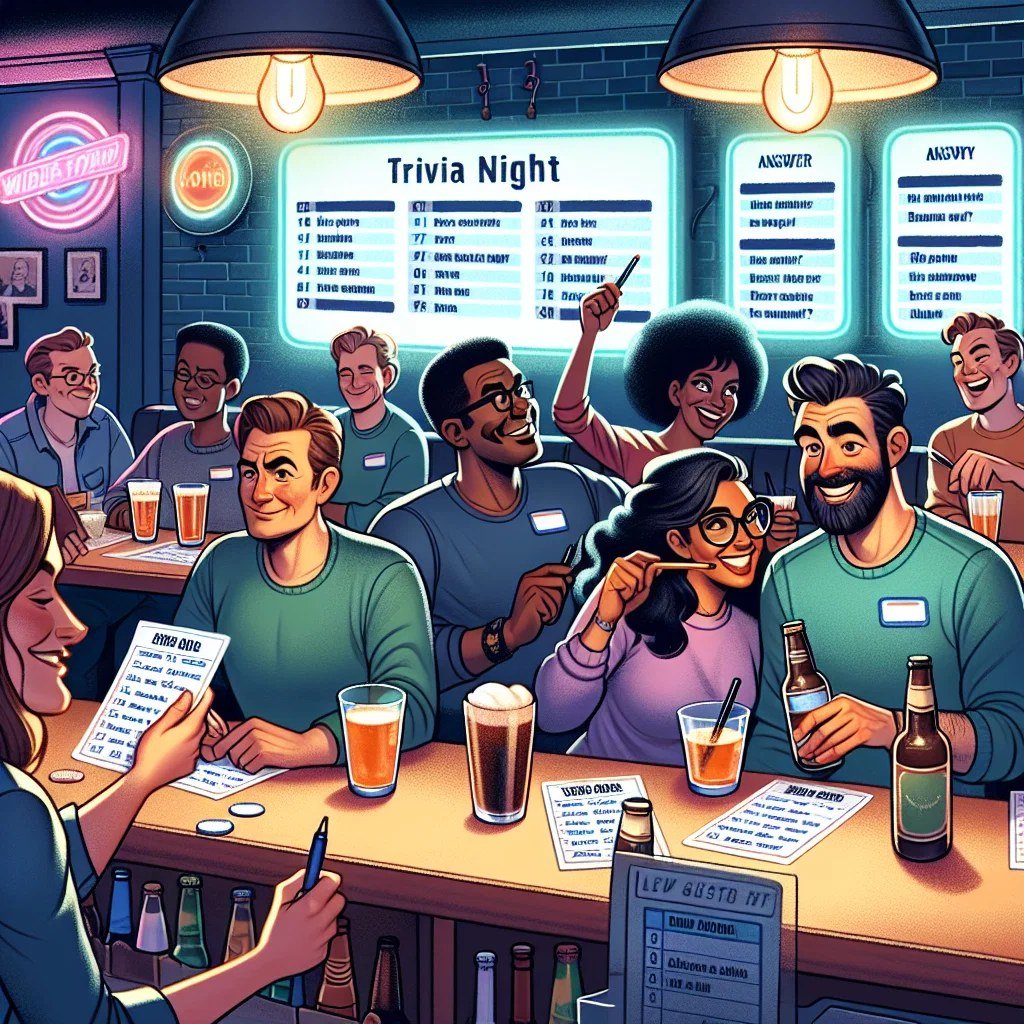
How Do I Host a Trivia Night at Home With Friends?
Bar trivia is fun, but it’s also $8 beers, waiting for tables, and some team of ringers dominating every week. How do I host a trivia night at home with friends? I’ve run home trivia nights for years — birthdays, holidays, random Saturdays — and they’re consistently the most-requested event in my friend group. The secret: it’s 90% preparation and 10% performance. Get the questions, format, and scoring right beforehand, and hosting is easy. Here’s the complete playbook.
How Do I Host a Trivia Night at Home With Friends? The Setup
Teams and size
Teams of 3–5 work best — small enough that everyone contributes, large enough for diverse knowledge. Cap it at 4–6 teams so scoring stays manageable and rounds don’t drag. Mix friend groups deliberately; the best trivia teams combine the sports nut, the history buff, the pop-culture obsessive, and the random-facts person.
The format that works
Five rounds of 8–10 questions each, with a mix of formats:
- Round 1: General knowledge (warm-up, medium difficulty)
- Round 2: Themed (movies, music, a decade — announce the theme in advance so teams can recruit)
- Round 3: Picture round (printed handouts: famous landmarks, baby photos of celebrities, logos with names removed)
- Round 4: Audio round (song intros, movie quotes, famous speeches — play via Bluetooth speaker)
- Round 5: Wager round (teams bet points on a final hard question — creates dramatic finishes)
Total runtime: about 90 minutes. Longer than that and energy fades.
Where to get questions
Writing 50 original questions is a lot of work — don’t. Use: trivia question books (cheap, categorized by difficulty), the Open Trivia Database (free, thousands of questions), Sporcle quizzes for inspiration, and your own custom round about the friend group (inside jokes, shared memories — always the night’s highlight). Verify answers from two sources; nothing kills credibility like a wrong answer key. Aim for a difficulty curve: 30% easy, 50% medium, 20% hard. Every team should get some right and miss some.
Hosting Like a Pro
- Be the host, not a player. Running the game is a full-time job — reading questions, keeping score, managing timing. You’ll have more fun hosting well than playing distractedly.
- Read each question twice. Then give teams 60–90 seconds. Use a phone timer visibly — it adds delicious pressure.
- Keep score on a whiteboard or shared screen. Visible standings fuel competition. Update after every round.
- Build in breaks. A 10-minute halftime for snacks, drinks, and trash talk. Essential.
- Have tiebreakers ready. Closest-guess number questions (“how many jelly beans in this jar?”) resolve ties perfectly.
Prizes and Stakes
Prizes don’t need to be expensive — they need to be funny. Dollar-store trophies, a ridiculous rotating championship belt, the losers-do-dishes rule. The best prize I ever gave: a homemade “Trivia Champions” certificate and first pick of desserts. Stakes make people care; silliness keeps it friendly. Avoid cash prizes — they turn friendly competition weird.
Food, Drinks, and Atmosphere
Finger food that doesn’t interrupt gameplay: snacks that aren’t messy, a slow-cooker full of something (see our one-pot meal ideas), drinks in a cooler. Set up teams at separate tables or couch clusters with writing surfaces — answer sheets and pens for each team. Background music during thinking time, silence during questions. A microphone isn’t necessary for small groups, but project questions on the TV if you can — it helps enormously.
Variations to Keep It Fresh
Once the classic format is dialed in, try: themed nights (all 90s, all movies, holiday editions), movie trivia paired with a screening, pub-quiz-style wager rounds throughout, or team-vs.-host lightning rounds. Our group does seasonal championships with cumulative scoring — the reigning champions get insufferably smug about it, which is half the fun.
Writing Great Trivia Questions
Good questions are the soul of trivia night. The formula: specific enough to have one answer, accessible enough that someone at the table might know it. “What year was the Eiffel Tower completed?” (1889) beats “Name a famous tower” (too vague) and “What alloy was used in the tower’s 1987 restoration rivets?” (too obscure). Aim for the satisfying middle where teams argue, someone remembers, and the reveal gets a reaction.
Sources for question material: the Open Trivia Database (free, thousands of categorized questions with difficulty ratings), trivia books from the library, Sporcle quizzes for format ideas, and Wikipedia rabbit holes — pick a topic you find interesting and mine it. Write for your crowd: a group of 30-somethings gets 90s pop culture; a mixed-age group needs broader categories. The custom round about your friend group (inside jokes, shared history) is always the night’s highlight — write 8–10 of these yourself.
Verify every answer from two sources before the night. Nothing deflates a host’s authority like a disputed answer you can’t resolve. Keep a “challenge” rule: teams can contest once per night, and if they’re right, everyone gets the point. It keeps things fair and adds drama. And always have 5–10 backup questions — you’ll need them for tiebreakers or when a round runs short.
Trivia Formats to Rotate
Variety keeps repeat nights fresh. Speed rounds: 10 rapid-fire questions, 15 seconds each — chaos and energy. Wager rounds: teams bet points before hearing the question — strategy meets knowledge. Picture rounds: printed handouts (landmarks, logos, baby celebrity photos) that teams work on between live rounds. Audio rounds: song intros, movie quotes, famous speeches via Bluetooth speaker.
Theme nights (all-movies, all-90s, holiday editions) let teams prepare and recruit specialists. Tournament seasons: track cumulative scores across monthly nights with a championship finale — our group does this, and the reigning champions’ smugness is half the fun. Halftime showdowns: physical mini-challenges (paper airplane distance, cup stacking) between rounds for the kinesthetic players. The format is a framework; the energy is the product.
The Takeaway
Teams of 3–5, five varied rounds, verified questions with a difficulty curve, visible scoring, silly prizes. Prep it right and hosting is effortless — and you’ll be asked to do it again before the night ends.
[…] Two teams, one-word clues, hilarious misinterpretations. Works brilliantly with bigger groups and pairs well with trivia night […]