
How to Cook Salmon So It Doesn’t Dry Out
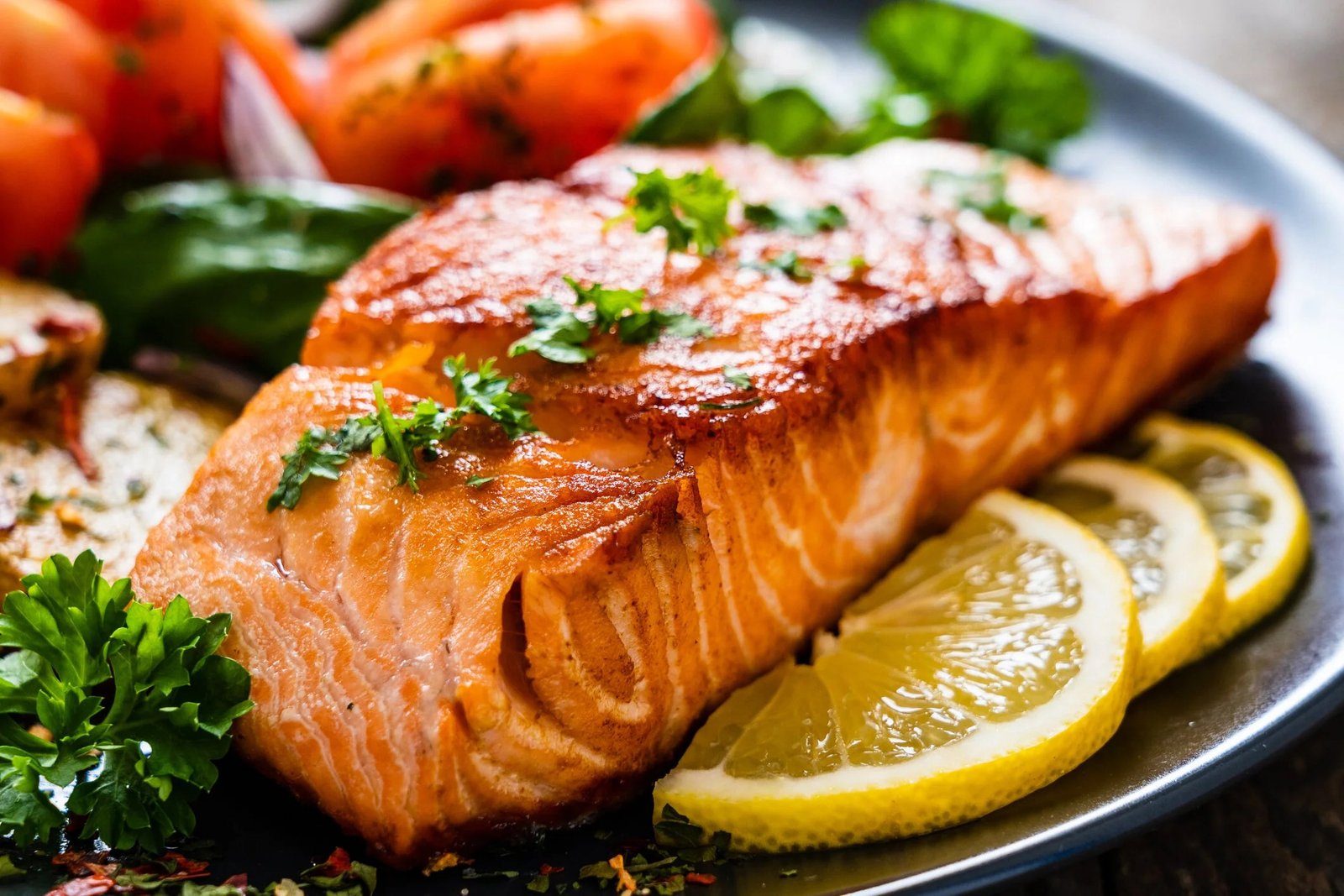
How Do I Cook Salmon So It Does Not Dry Out?
Dry salmon is one of cooking’s great tragedies — a beautiful, expensive fillet turned into chalky disappointment. How do I cook salmon so it does not dry out? I ruined my fair share before learning that salmon’s problem isn’t the cooking method, it’s the temperature. Salmon goes from perfect to overdone in about two minutes, and most home cooks overshoot by ten degrees without realizing it. Once I started treating salmon like the delicate protein it is — and trusting a thermometer over the clock — dry salmon left my kitchen for good. Here’s everything that matters.
The Number That Matters: 125°F
Here’s the secret the package instructions won’t tell you: salmon is best at 120–125°F internal temperature for medium-rare, or 130°F for medium. The FDA’s official 145°F guideline is about maximum safety, not best texture — at 145°F, salmon is firmly in dry territory. Many chefs and experienced home cooks serve salmon at 125°F, where it’s silky, moist, and translucent in the center. Quality farmed or previously-frozen salmon at 125°F is widely considered safe by culinary professionals, though if you’re serving pregnant people or the immunocompromised, stick closer to 145°F. Know your audience, pick your temp, and pull the fish 5°F early — carryover cooking finishes the job.
How Do I Cook Salmon So It Does Not Dry Out? 5 Methods
1. Pan-searing (crispy skin, fast)
Get a skillet ripping hot with a thin film of high-heat oil. Pat the fillet very dry, season, and lay it skin-side down. Press gently for 10 seconds so the skin makes full contact. Cook 5–6 minutes undisturbed until the skin is crisp and the color has crept two-thirds up the side. Flip and cook 1–2 minutes more. The skin protects the flesh from direct heat — it’s nature’s nonstick barrier. A well-seasoned cast iron skillet is ideal here.
2. Oven roasting (hands-off, even)
Roast at 275°F — yes, that low — for 20–25 minutes. This slow-roast method is nearly impossible to overcook; the gentle heat cooks the fish evenly edge to edge with no dry outer band. It’s my pick when cooking for guests because the timing is so forgiving.
3. Broiling (fast, caramelized top)
Position the rack 6 inches from the broiler, brush the salmon with oil or glaze, and broil 6–8 minutes. Watch it like a hawk — broilers go from perfect to burnt in sixty seconds. Great for miso or maple glazes that caramelize beautifully.
4. Poaching (foolproof moisture)
Simmer (don’t boil) fillets in seasoned liquid — water with lemon, herbs, and a splash of white wine — for 8–10 minutes. Poached salmon literally cannot dry out; it’s surrounded by moisture. Elegant, gentle, and underrated.
5. Grilling (smoky, needs attention)
Grill skin-side down over medium-high heat, 6–8 minutes, no flipping needed — the skin crisps and the top cooks through from ambient heat with the lid closed. Oil the grates well. Our gas grilling guide covers the two-zone setup that works for fish too.
That White Stuff: What It Is and How to Prevent It
The white goo that oozes from salmon is albumin, a harmless protein pushed out as the muscle fibers contract. It’s not a sign of bad fish — but heavy albumin means the heat was too aggressive. Prevent it with a 10-minute brine (1 tablespoon salt per cup of cold water) before cooking, or simply by using gentler heat. A little albumin is normal; a lot means you cooked it too hot, too fast.
Buying and Prepping for Success
Moisture starts at the store. Look for fillets with vibrant color, no fishy smell (fresh salmon smells like the ocean, not like “fish”), and flesh that springs back when pressed. Even thickness matters more than size — a fillet that’s thin at one end and thick at the other cooks unevenly. If yours tapers, tuck the thin tail underneath. Bring the fish to room temperature for 15 minutes before cooking, and always pat it dry — surface moisture steams instead of sears.
For sustainability guidance, the Monterey Bay Aquarium Seafood Watch program rates salmon choices, and the salmon as food article on Wikipedia covers species and nutrition.
Sauces and Pairings That Take Salmon Further
Perfectly cooked salmon needs little adornment, but the right sauce turns it into a restaurant dish. Miso glaze: whisk white miso, mirin, and a touch of sugar; brush on during the last minutes of broiling for caramelized, umami-rich crust. Lemon-dill butter: melt butter with lemon zest, fresh dill, and minced garlic; spoon over the rested fillet. Simple, classic, unbeatable. Soy-ginger: soy sauce, grated ginger, honey, and sesame oil as a quick marinade (15 minutes max — the acid in longer marinades “cooks” the fish).
Chimichurri might sound odd on salmon, but the bright, herby punch cuts through the richness beautifully — especially on fattier king salmon. And a simple yogurt-dill sauce (Greek yogurt, dill, lemon, garlic) keeps things light for summer. The rule: rich sauces for leaner salmon (sockeye, coho), bright acidic sauces for fattier salmon (king, Atlantic). Match the sauce’s weight to the fish’s richness and they balance instead of competing.
For sides, think contrast: crispy roasted potatoes or a fresh grain salad against the salmon’s richness; asparagus or green beans for color and crunch. A simple arugula salad with lemon vinaigrette takes five minutes and looks restaurant-plated. And wine-wise, you don’t need to overthink it — a crisp white (Sauvignon Blanc, Pinot Grigio) or even a light Pinot Noir works. The fish is the star; everything else is supporting cast.
Salmon for Meal Prep (Without the Sad Reheated Fish)
Reheated salmon has a bad reputation, but it’s usually a technique problem. Cook it slightly under (115–120°F) if you plan to reheat — the second heating finishes it instead of overcooking it. Store with a sauce or oil drizzled over; the fat protects against drying. Reheat gently: 275°F oven for 10–12 minutes, or flake it cold into salads and grain bowls (honestly the best use — cold salmon over greens with vinaigrette is elite meal-prep food).
Even better: repurpose rather than reheat. Leftover salmon becomes salmon cakes (flake, mix with breadcrumbs, egg, and Old Bay, pan-fry), salmon fried rice, or a stellar salmon salad sandwich with dill and lemon. These uses don’t just tolerate day-two salmon — they prefer it. Cook extra on purpose; future-you will be grateful.
The Takeaway
Pull salmon at 125°F, use gentle heat, and don’t fear the thermometer. Whether you sear, slow-roast, or poach, temperature control is the entire game. Nail that, and dry salmon becomes someone else’s problem.