
How Can I Tell If a Text Message Link Is a Scam?

How can I tell if a text message link is a scam? ‘Your package couldn’t be delivered,’ ‘Your bank account is locked,’ ‘You won a prize’ — smishing (SMS phishing) has exploded, and the messages keep getting more convincing. The good news: scams follow patterns, and once you know them, they get easy to spot.
I nearly fell for a toll-road scam text last year — it looked perfect until one detail gave it away. Here’s the detection playbook, plus what to do if you already clicked.
How Can I Tell If a Text Message Link Is a Scam? The Red Flags
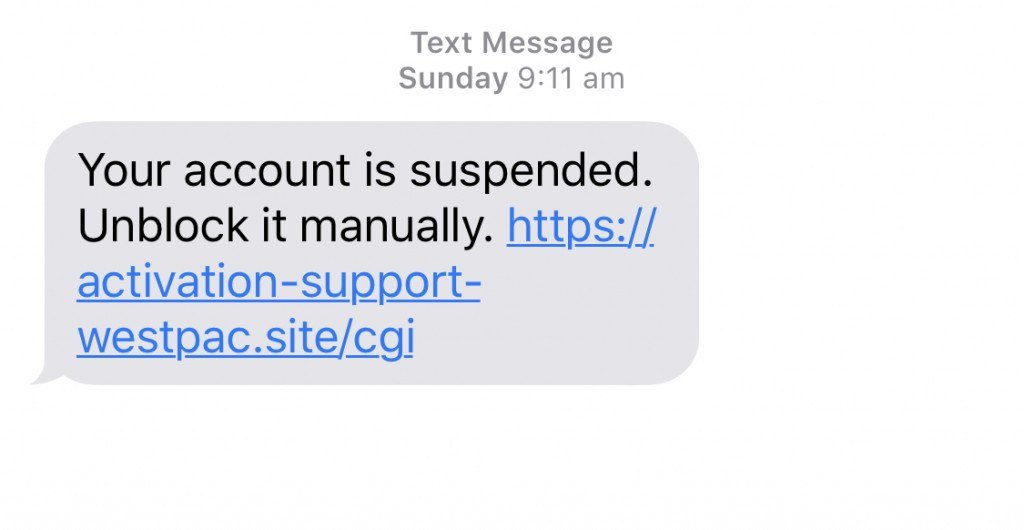
Urgency is the universal tell. ‘Act now,’ ‘account suspended,’ ‘final notice’ — scammers manufacture panic because panicked people don’t think. Legitimate companies don’t threaten account closure by text. Next: the sender. Scam texts come from random 10-digit numbers or email addresses, not official short codes — though spoofing exists, so this alone isn’t proof either way.
Then inspect the link without tapping it: on iPhone, long-press to preview the URL; on Android, long-press to copy it. Scam domains are close-but-wrong: amaz0n-support.com, usps-track-package.net, yourbank-secure-login.com. Real companies use their real domains, period. And the classic: you weren’t expecting it. A package text for something you didn’t order, a bank alert from a bank you don’t use — context kills most scams instantly. The FTC’s scam-spotting guide at the Federal Trade Commission's consumer advice catalogs the current variants.
Verify Without Clicking (The Safe Way)
Never click to ‘check if it’s real’ — that’s the trap. Instead, verify independently: got a bank alert? Open your bank’s app directly (not via the text) or call the number on your card. Package notice? Go to the retailer’s site or app and check tracking there. Toll or DMV notice? Type the official site address yourself.
This takes sixty seconds and is foolproof, because you’re bypassing the scammer’s link entirely. Bookmark the real sites for your bank, the post office, and toll agencies so verification is one tap. And if the text claims you won something — you didn’t. Lotteries and sweepstakes you never entered don’t text winners; that’s not how any of this works.
If You Already Clicked (Don’t Panic, Act Fast)
Clicked but didn’t enter anything? You’re probably fine — just close the page, don’t download anything it offered, and consider running a security scan. Modern phones are fairly resistant to drive-by infections from a single tap, though not immune.
Entered credentials? Change that password immediately — from the real site, not any link — and change it everywhere you reused it. Turn on two-factor authentication (our What is two-factor authentication and how do I set it up guide takes five minutes). Entered card details? Call your bank now and request a new card number. Downloaded something? Delete it, run a scan, and watch for weird behavior. Speed matters more than embarrassment — scammers count on shame keeping victims quiet.
The 10-second scam test for any text link:
- Urgency or threats? Scam until proven otherwise.
- Sender a random number, not an official short code? Suspicious.
- Long-press the link: domain close-but-wrong? Scam.
- Weren’t expecting it? Almost certainly a scam.
- Verify independently via the official app or site — never via the link.
Reducing the Flood
You can’t stop smishing entirely, but you can thin it. Never reply STOP to obvious scams — any response confirms your number is live and gets you more spam (legitimate marketing texts honor STOP; criminals harvest it). Report spam texts: forward to 7726 (SPAM) — it feeds carrier blocklists — and report to the FTC at reportfraud.ftc.gov.
Use your phone’s spam filtering (Android’s is quite good; iPhone’s ‘Filter Unknown Senders’ helps organize if not block). And practice good number hygiene: the fewer sketchy forms and contests your number goes into, the fewer lists it lands on. For the call-side equivalent of this fight, see How do I stop spam calls from unknown numbers on my phone — the same principles apply.
The Bottom Line
How Can I Tell If a Text Message Link Is a Scam? Pro Tips
Pro tip: save the real contact info for your bank, the post office, and toll agencies in your phone right now — before you need it. When a suspicious text arrives, you verify through the saved contact in seconds instead of searching (and risking a scammy search result). Thirty seconds of preparation turns every future verification into a one-tap habit. The scammers rely on you being unsure where the real site is; remove that uncertainty in advance.
Also: turn on your phone’s spam filtering and report everything. On iPhone, ‘Filter Unknown Senders’ at least organizes the noise; on Android, the spam protection is genuinely effective. Forward spam texts to 7726 — it feeds the carrier blocklists that protect everyone. And tell your less tech-savvy relatives about the current scam variants; the people most at risk are the ones who never read articles like this one. A two-minute warning call to your parents is worth more than any filter.
Watch out for the new generation of AI-voice scams, which have made the old ‘grandparent scam’ terrifyingly convincing — criminals now clone voices from social media videos and call relatives with fake emergencies. Establish a family code word for genuine emergencies, and make it a hard rule: any urgent money request by phone gets verified by calling back on a known number, no exceptions, no matter how real it sounds. Tell your parents and grandparents this specifically — they’re the targets, and a two-minute conversation is the vaccine.
Scam texts rely on urgency, spoofed senders, and lookalike links — long-press to inspect, verify through official channels instead of clicking, and never engage. If you clicked, act fast: change passwords, enable 2FA, call your bank if money was involved. And forward spam to 7726 to help starve the machine.
Scam texts are a pattern-recognition game: urgency, wrong sender, lookalike link, unexpected context. Learn the patterns, verify through saved real contacts, never engage, and spread the word to vulnerable relatives. The scams evolve, but the detection principles don’t.