
How to Keep Avocados From Turning Brown After Cutting
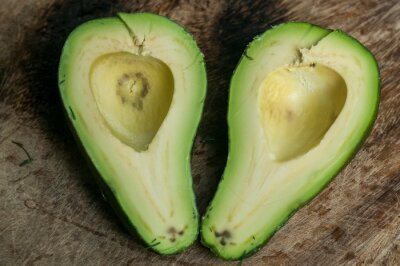
How Do I Keep Avocados From Turning Brown After Cutting?
So you’ve asked yourself: how do I keep avocados from turning brown after cutting? I ask myself the same thing every time I only need half an avocado for toast and the other half is destined for tomorrow’s lunch. That sad, grayish-brown layer that creeps across the flesh within hours isn’t dangerous — it’s just oxidation, the same process that browns sliced apples. But it looks unappetizing, and the flavor goes a little flat. After years of guacamole batches and meal-prep experiments, I’ve tested just about every trick out there. Here’s what actually keeps avocados green.
Why Avocados Turn Brown in the First Place
Avocado flesh contains an enzyme called polyphenol oxidase. The moment you cut the fruit and expose the flesh to air, that enzyme reacts with oxygen and produces brown pigments. It’s purely cosmetic — browned avocado is still safe to eat — but nobody wants to serve gray guacamole at a party. Every method below works on the same principle: block oxygen, slow the enzyme, or both.
How Do I Keep Avocados From Turning Brown After Cutting? 7 Proven Methods
1. Lemon or lime juice (the classic)
Squeeze fresh lemon or lime juice over the exposed flesh and rub it in gently. The citric acid lowers the pH and slows the browning enzyme significantly. This is my go-to for guacamole because the citrus doubles as seasoning. One caveat: it does add a slight citrus flavor, which is fine for most uses but noticeable if you’re eating the avocado plain.
2. Store it with a cut onion
This one sounds bizarre, but it works remarkably well. Place the cut avocado in an airtight container alongside a quarter of a cut onion. The sulfur compounds the onion releases inhibit the browning enzyme. I’ve kept avocado halves green for two full days this way. The avocado doesn’t pick up onion flavor — I was skeptical too, but it’s true.
3. Press plastic wrap directly onto the flesh
Air is the enemy, so eliminate the air gap. Press plastic wrap or a reusable silicone cover directly against the cut surface, smoothing out every bubble. A container lid alone leaves too much air; direct contact is what matters. Combined with a squeeze of citrus, this keeps halves fresh for 1–2 days in the fridge.
4. Leave the pit in
You’ve probably heard this one. The pit only protects the flesh directly underneath it — the rest browns just the same. It’s not useless, but it’s not the miracle people claim. Think of it as a small bonus, not a strategy.
5. Brush with olive oil
A thin coat of olive oil creates an oxygen barrier on the surface. It works decently for halves you’ll use within a day, and the flavor pairing is natural. I use this when I’m making salad that needs to stay fresh all week and want the avocado topping to hold up.
6. Submerge in cold water
For guacamole or mashed avocado, press it into a container and pour a thin layer of cold water (about half an inch) over the top before sealing. Water blocks oxygen completely. Pour it off and stir before serving. This is a restaurant trick, and it keeps guac bright green for a full day. Don’t use this for halves you want to slice later — the texture gets waterlogged.
7. Mash with the right additions from the start
If you’re making guacamole, build browning protection into the recipe: lime juice, finely diced onion, and even a little olive oil all slow oxidation. Press plastic wrap directly onto the surface before refrigerating. Properly made and stored guac stays green for 24–48 hours.
What About the Viral Hacks?
You may have seen videos of people storing whole avocados in jars of water in the fridge. Don’t do this. The FDA has specifically warned against it because the water can harbor listeria and other bacteria that the avocado skin — which is porous — can’t fully keep out. Stick with the methods above. They’re less dramatic but actually safe.
How Long Does Cut Avocado Last?
With good storage, a cut avocado half lasts 2–3 days in the refrigerator. Guacamole holds for 1–2 days. Always trust your nose: if it smells sour or off, toss it. Brown color alone isn’t spoilage, but mushy texture plus an odd smell is. To make the most of ripe avocados before they go, blend them into a smoothie that actually keeps you full — they’re fantastic for creaminess and healthy fats.
For the botanical background, the avocado entry on Wikipedia is a solid read, and the California Avocado Commission publishes reliable ripeness and storage guidance.
Avocado Storage FAQ: What Else You Should Know
A few more things I’ve learned from years of avocado trial and error. First, ripen before you refrigerate: avocados ripen best at room temperature, and once they’re perfectly ripe, the fridge buys you 3–5 extra days. Putting an unripe avocado in the fridge stalls ripening and can ruin the texture permanently — the cold damages the cells before they soften. Second, the paper-bag trick really works: sealing an avocado in a paper bag with a banana or apple concentrates ethylene gas and can ripen it in 1–2 days instead of four.
What about freezing avocado? It works better than most people expect. Mash ripe avocado with a squeeze of lemon juice, portion into ice cube trays or freezer bags, and freeze for up to 3 months. The texture changes slightly — frozen-thawed avocado is best for smoothies, dressings, and guacamole rather than slicing — but the flavor holds up beautifully. Halves frozen in their skins also work; thaw in the fridge overnight. This is my favorite way to rescue a batch of avocados that all ripened on the same day, which happens constantly.
One more tip: buy avocados at different ripeness stages. Grab one ripe for tonight, a couple of firm ones for later in the week, and let them ripen in sequence. Staggering your avocados means you always have a perfect one ready and never face the dreaded all-ripe-at-once avalanche. Combined with the storage methods above, you’ll waste far fewer avocados — which matters, because at current prices, every wasted avocado stings.
The Takeaway
The simplest reliable combo: squeeze of lime juice, plastic wrap pressed right on the flesh, pit left in, into the fridge. Or go the onion route if you want the longest-lasting green. Pick the method that fits how you’ll use the avocado, and you’ll never serve sad brown halves again.