
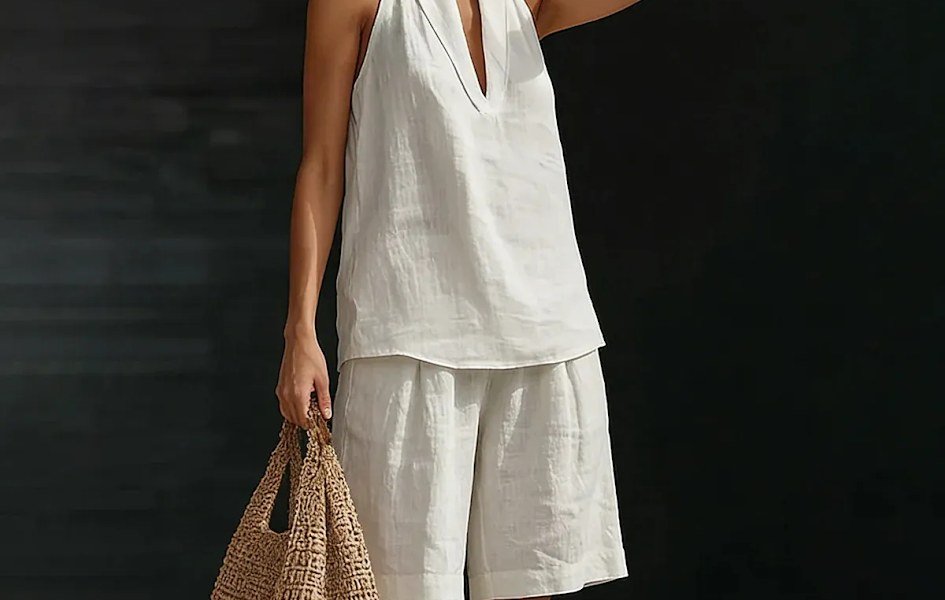
Which fabrics are best for hot and humid weather
Confession: I used to think the best fabrics for hot, humid weather was one of those things you either “had” or you didn’t — like perfect pitch. Turns out it’s mostly a skill, and skills can be learned. Every stylish person you admire made the same awkward mistakes you’re making now. So if you’re asking which fabrics are best for hot and humid weather, take it from someone who’s been through the awkward phase: here’s the shortcut.
Hot, humid weather turns fabric choice from a style decision into a survival decision. I've worn the wrong thing on a humid August day — the clinging, the sweat patches, the desperate search for air conditioning — and it's miserable in a way that ruins the whole day. The right fabrics don't just feel better; they look better, because nothing drapes well when it's soaked. Hot-weather dressing is really textile science, and the science is simple.
Which fabrics are best for hot and humid weather: A Practical, Step-by-Step Approach
The heat-and-humidity hall of fame: linen is the undisputed champion — it breathes, wicks, dries fast, and its wrinkles are part of the charm (embrace them); look for 100% linen or linen blends. Lightweight cotton (voile, seersucker, madras) is the versatile runner-up — breathable and easy, though it holds sweat longer than linen. Chambray gives you the denim look without denim's heat trap. Performance synthetics (moisture-wicking polyester blends) genuinely work for active days, though they can retain odor — merino wool blends solve that. Tencel/lyocell is the modern sleeper hit: silky, breathable, moisture-managing, and wrinkle-resistant. What to avoid: 100% polyester (non-performance) and nylon — they trap heat and sweat; heavy denim; silk (beautiful, but shows every drop of sweat); and anything lined. Construction matters too: loose weaves beat tight ones, light colors reflect heat, and relaxed fits allow airflow — the skimpiest top in clinging polyester loses to a loose linen shirt every time. Fit note: in humidity, give every garment breathing room; fitted + humid = miserable.
I think the best fabrics for hot, humid weather gets overcomplicated because the fashion industry profits from your confusion. Strip that away and what’s left is refreshingly practical: fit, proportion, color, and context. Get those four right and almost everything works. Get them wrong and even expensive clothes look off. Keep those four words in your head as we go — they’re the whole game.
If you want a second opinion from an authoritative source as you go, Textile School's hot-weather fabric guide and GQ on the best summer fabrics are both solid places to cross-check what you read here.
The Logic Behind The best fabrics for hot, humid weather
This isn’t just my opinion — the logic behind the best fabrics for hot, humid weather is well documented by people who study clothing and consumer behavior for a living. Wardrobe analyses consistently show most people wear a small fraction of what they own, and that fit and versatility predict satisfaction far better than price or brand. The data backs up what stylish minimalists have been saying for years: fewer, better, more intentional.
For a related angle, our guide to What is the best way to document a trip without a fancy camera pairs well with what you’re learning here — the two topics overlap more than most people realize.
Your Practical Game Plan
- Linen is the heat champion — embrace the wrinkles, they're the point.
- Light colors reflect heat; save the black for evening.
- Loose weaves and relaxed fits beat tight everything in humidity.
- Avoid 100% polyester (non-athletic) — it traps heat and sweat.
- Tencel/lyocell: the modern fabric that breathes like linen and resists wrinkles.
Mistakes That Undermine Most People
Buying for a fantasy life instead of your real one
We've all done it: the blazer for the job you don't have, the heels for events you never attend. When it comes to the best fabrics for hot, humid weather, the fantasy purchases are the ones that sit with tags on. Audit honestly — what does your actual week look like? Buy for that person. Your real life deserves to look good too.
Assuming expensive means better
Price and quality correlate loosely at best. I've owned $20 basics that outlasted $200 disappointments. For the best fabrics for hot, humid weather, learn to check seams, fabric content, and construction instead of price tags. Your wallet will thank you, and honestly, so will your style — nothing looks cheaper than an overpriced, poorly made item.
Shopping without a plan
Walking into a store (or opening an app) with no plan is how you end up with five tops and no bottoms. Before spending anything on the best fabrics for hot, humid weather, make a short list of actual gaps. Planned purchases get worn; impulse purchases get donated. The list takes five minutes and saves hundreds.
Keeping clothes that make you feel bad
If you put it on and immediately want to change, it's not serving you — no matter what you paid for it. I finally donated the "someday" pile last year and my mornings got measurably better. the best fabrics for hot, humid weather gets easier the moment your closet stops containing landmines.
What To Do This Week
So here’s what I’d tell a friend asking about the best fabrics for hot, humid weather: keep it simple, keep it intentional, and stop apologizing for your budget. Some of the sharpest outfits I’ve ever seen cost less than a dinner out. Pick one change from this guide, wear it with confidence, and remember — the best-dressed person in the room is usually just the one who looks like they meant it.
One more resource worth bookmarking: How can I travel more sustainably without spending extra covers adjacent ground that’ll reinforce everything above.
A note of caution: Invest in a few quality linen pieces (they last years); save on trendy summer items that get one season of wear.
Quick Answers To Common Questions
Does the best fabrics for hot, humid weather work on a tight budget?
Absolutely — some of the best-dressed people I know spend very little. Thrift stores, end-of-season sales, and simple tailoring on cheap pieces are the budget playbook. The secret is that the best fabrics for hot, humid weather is mostly about decisions, not dollars: fit, color, proportion, and intention cost nothing. Money helps at the margins; judgment does the heavy lifting.
How do I know if the best fabrics for hot, humid weather advice actually suits me?
Try it for a week and pay attention to two things: compliments (or at least the absence of that nagging "this feels off" sensation) and how you feel wearing it. Advice is a starting point, not law. Your lifestyle, your body, and your taste get the final vote. The goal of any guide — including this one — is to give you tools to develop your own judgment, not to dress you by remote control.