
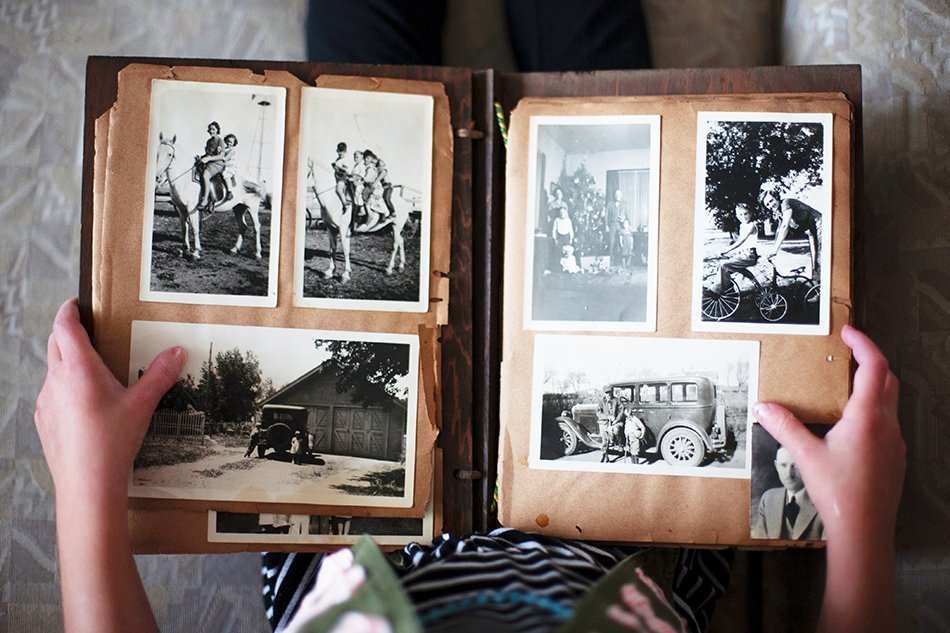
What Should I Do With Old Photos and Keepsakes?
What should I do with old photos and keepsakes? Everyone has the box. Or the closet. Or the entire spare room of boxes: old photos, childhood trophies, concert tickets, letters, your grandmother’s dishes. Deciding is emotionally harder than any other decluttering, because every item carries a memory — and throwing away the item feels like throwing away the memory. It’s not. Here’s how to honor the memories without drowning in the stuff.
The Core Insight: You’re Keeping the Memory, Not the Object
Let’s be honest about something: you don’t look at 95% of your keepsakes. They sit in boxes, unviewed, generating guilt. The memory lives in you, not in the object. Once you truly accept that, the decisions get easier — because you’re not deciding “do I care about this memory?” but “does keeping this physical thing serve me?”
That distinction is everything. It lets you keep what you genuinely love and release the rest without feeling like a bad person.
What Should I Do With Old Photos and Keepsakes? The Photo Plan
Photos are the biggest category and the most doable project:
- Gather them all in one place. Every album, box, envelope, and drawer. Seeing the total volume motivates the project.
- Sort ruthlessly first. Blurry, duplicates, landscapes with no people you know, 47 near-identical shots — recycle them. Keep the best representative, not every frame.
- Digitize. A smartphone on a well-lit table works surprisingly well; photo scanning apps (Google PhotoScan is free) auto-crop and enhance. For large collections, a dedicated scanner or a bulk scanning service ($0.25–$0.50/photo) saves weeks.
- Back up twice. Cloud + external drive. Digitized photos you lose are worse than boxed photos you keep.
- Curate the keepers. After digitizing, keep a small physical collection — one box of true favorites. Frame a few. Make a photo book of the best ($30–$50, and it becomes a gift-worthy object instead of a box of guilt).
The Keepsake Triage System
For non-photo keepsakes, sort into four categories:
- Display: items beautiful or meaningful enough to live in your home, not a box. If it’s been boxed for five years, it probably doesn’t belong in this category.
- Keep boxed (small box only): genuinely irreplaceable items — letters from deceased loved ones, childhood mementos with real stories. Limit: one box. The constraint forces honesty.
- Give to family: items that matter more to someone else. Your mom might treasure the childhood art you feel guilty about. Ask before assuming — don’t gift guilt.
- Photograph and release: trophies, old jerseys, bulky souvenirs. Take a good photo, write a one-line memory note, then donate or recycle. The photo + note preserves the memory better than a dusty box.
Handling the Hard Ones
- Inherited items you don’t like: You are not obligated to curate someone else’s life. Keep one meaningful piece, photograph the rest, let the rest go. Love for the person and love for their stuff are different things.
- Kids’ artwork: Keep the standouts, photograph the rest, make an annual photo book. Your kids will prefer the book to 400 loose drawings.
- Gifts you hate: The gift was the gesture, which you already received. Keeping an unwanted gift out of guilt serves no one — donate it and free both of you.
- “Someday” items: Your wedding dress, the crib, the “maybe my kids will want this.” Ask your kids now (if they’re adults). If the answer is vague, it’s a no.
This is the emotional deep end of decluttering a messy apartment — save it for last, when your decision muscles are strong.
Make the Keepers Shine
The goal isn’t minimalism — it’s curation. Take your keepers out of boxes: frame the best photos, display the meaningful objects, use the inherited dishes. Keepsakes in daily use honor memories; keepsakes in storage just collect dust. If you love it, show it. If you won’t show it, you probably don’t love it enough to store it.
What Should I Do With Old Photos and Keepsakes After a Parent Dies?
Sorting a deceased parent’s belongings is decluttering’s final boss — grief, guilt, family dynamics, and an entire lifetime of objects arriving all at once. There’s no way to make it easy, but there are ways to make it less overwhelming and less regrettable. Here’s the compassionate, practical approach.
Give yourself permission to wait. Unless there’s a hard deadline (selling the house, lease ending), don’t rush. The first sort done in acute grief produces the most regrets — both keeping too much (everything feels sacred) and discarding too much (numb efficiency). If you must act quickly, pack everything into boxes and store them. Decisions made in six months will be better than decisions made in six days. Time is the most underrated sorting tool.
Sort into four passes, not one. Pass one: obvious trash and recycling (expired everything, broken items, junk mail). Pass two: obvious donations (duplicate kitchen items, generic clothes, things with no memory attached). Pass three: family distribution — invite siblings and close family to claim what matters to them, in person if possible. Pass four: the hard box — everything with real emotional weight, decided last when you’re clearer-headed. Each pass is easier than the last because the volume shrinks.
Handle sibling dynamics explicitly. The fastest way to damage family relationships is ambiguous distribution of meaningful items. For contested items, options that work: take turns choosing, draw lots, or agree that the person with the strongest memory-attachment gets it. Photograph everything valuable before distribution — the photo archive belongs to everyone regardless of who gets the object. And discuss the plan before anyone starts taking things; surprise removals breed lasting resentment.
Digitize the memory-dense, low-value items. Your parent’s recipe cards, handwritten notes, the annotated books — photograph or scan them. The handwriting is what matters, not the paper. Create a shared digital archive for the whole family. This preserves the irreplaceable (their hand, their words) while freeing you from storing boxes of paper.
Keep the “essence collection,” not the inventory. You don’t need every mug — you need the one mug they drank from every morning. You don’t need the whole wardrobe — you need the jacket that smells like them (for now) and photographs of the rest. Choose 10–20 items that most purely evoke them, display or store those with intention, and release the rest. Grief lives in you, not in the objects — and a curated few honors them more than a storage unit of everything. If the broader decluttering process feels familiar here, it’s because the principles are the same; only the emotions are heavier. Be as gentle with yourself as you’d be with a friend doing this.
The Bottom Line
Handling old photos and keepsakes comes down to: digitize the photos, triage objects into display/keep/give/photograph, limit physical keeps to one box, and release the rest without guilt. The memories aren’t in the boxes — they’re in you. Free the boxes, and you’ll find the memories get lighter, not dimmer.
For photo preservation standards, the Library of Congress preservation resources are the authority, and Wikipedia’s digital preservation article covers keeping digitized memories safe long-term.