
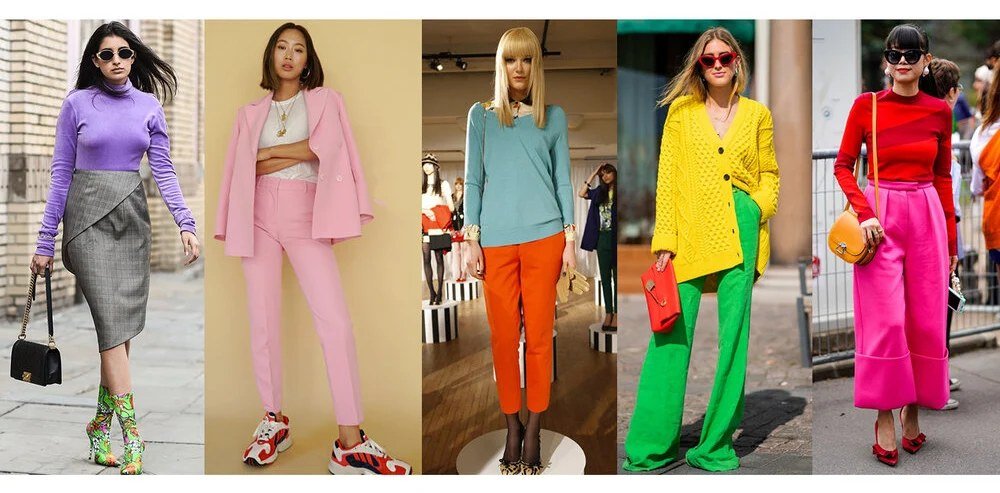
What colors go well together for everyday outfits
The best-dressed people I know aren’t the ones who spend the most — they’re the ones who’ve figured out what actually works for them. If what colors go well together for everyday outfits has been on your mind, you’re asking exactly the right question, and the honest answer is more learnable than it looks. This guide breaks which colors go well together down into decisions you can make today, with your current closet and your current budget.
Color is where most outfits quietly fall apart — not because people choose "wrong" colors, but because they combine them without a system and hope for the best. I've had my share of outfits that looked fine in the mirror and chaotic in photos, and color was usually the culprit. The reassuring truth: you don't need an artist's eye. You need about four reliable combinations and the discipline to stick with them until they become instinct.
What colors go well together for everyday outfits: A Practical, Step-by-Step Approach
Start with the foolproof foundation: neutrals with neutrals always works — black, white, navy, gray, beige, and olive combine in any arrangement without risk. That's your safe zone, and honestly, most great everyday outfits live here. Then learn the four easy upgrades. One: monochrome — different shades of one color (light blue with navy, cream with camel) always looks intentional and elongates your silhouette. Two: complementary pairs — navy with camel/tan, olive with burgundy, gray with blush — colors opposite-ish on the wheel that flatter each other. Three: one color pop — an all-neutral outfit plus one vivid piece (red shoes, emerald bag, mustard scarf). Four: the 60-30-10 rule — 60% dominant neutral, 30% secondary, 10% accent. Avoid combining more than three colors until you're confident, and beware the trap combos: black with navy can work but needs clear contrast in shade; brown with black usually fights. When in doubt, photograph the outfit — the camera reveals color clashes your mirror hides.
Before the how, let’s talk about the why — because understanding the logic makes every decision about which colors go well together ten times easier. Clothes are communication: they tell the room how seriously to take you before you’ve said a word. That’s not vanity, it’s just how humans work. The goal here isn’t to impress strangers; it’s to make sure what you’re wearing supports the impression you actually want to make.
If you want a second opinion from an authoritative source as you go, Who What Wear on color combinations and GQ's guide to wearing color are both solid places to cross-check what you read here.
The Logic Behind Which colors go well together
Fashion editors and stylists tend to converge on the same principles for which colors go well together, and it’s not a coincidence. When professionals who dress people for a living keep repeating the same advice — fit first, build a versatile core, buy for your real life — it’s because it works across bodies, budgets, and decades. Trends are the decoration; these principles are the structure.
For a related angle, our guide to How do taxes work for self-employed income in the US pairs well with what you’re learning here — the two topics overlap more than most people realize.
Your Practical Game Plan
- When starting out, live in neutrals — they're the training wheels that never come off.
- The 60-30-10 rule keeps any outfit balanced without overthinking.
- One vivid accent per outfit; two starts competing.
- Photograph outfits — cameras catch clashes mirrors miss.
- Learn your best neutrals first (do you look better in black or navy? warm or cool beige?).
Mistakes That Undermine Most People
Chasing trends instead of building a foundation
Trends are fun, but they're rented excitement — here today, embarrassing in photos by next year. I've wasted real money learning this. For which colors go well together, get the timeless core right first, then sprinkle in one or two trendy pieces if you genuinely love them. The foundation is what people actually notice.
Buying for a fantasy life instead of your real one
We've all done it: the blazer for the job you don't have, the heels for events you never attend. When it comes to which colors go well together, the fantasy purchases are the ones that sit with tags on. Audit honestly — what does your actual week look like? Buy for that person. Your real life deserves to look good too.
Assuming expensive means better
Price and quality correlate loosely at best. I've owned $20 basics that outlasted $200 disappointments. For which colors go well together, learn to check seams, fabric content, and construction instead of price tags. Your wallet will thank you, and honestly, so will your style — nothing looks cheaper than an overpriced, poorly made item.
Shopping without a plan
Walking into a store (or opening an app) with no plan is how you end up with five tops and no bottoms. Before spending anything on which colors go well together, make a short list of actual gaps. Planned purchases get worn; impulse purchases get donated. The list takes five minutes and saves hundreds.
What To Do This Week
The bottom line on which colors go well together: stop shopping for who you wish you were and start dressing the person you are, on the days you actually live. One well-chosen addition beats five impulse buys. Take the single most useful idea from this article, apply it this week, and watch how quickly the compliments start. Style compounds — and it starts today, with what’s already in your closet.
One more resource worth bookmarking: How do I handle a difficult client without losing the contract covers adjacent ground that’ll reinforce everything above.
A note of caution: Experiment with color in cheap accessories (scarves, socks) before committing to expensive pieces in bold hues — low-risk testing.
Quick Answers To Common Questions
What if my body type makes which colors go well together harder?
Clothes are made for average proportions that almost nobody actually has — so nearly everyone needs adjustments. That's normal, not a flaw. The fix is the same regardless: learn which cuts work for your shape, size for your largest measurement, and budget a little for tailoring. Off-the-rack is a starting point, not a verdict. The best-dressed people in any room are usually the ones who've figured out their own fit formula.
How much should I budget for which colors go well together?
Less than you think. The biggest wins in which colors go well together are free: better combinations of what you own, better fit awareness, and clearing out what doesn't work. When you do spend, put money toward high-rotation items — the things you'll wear weekly — and go cheap on trendy or occasional pieces. A focused $100 spent on real gaps beats $500 of impulse buys every time.