
What are the best shoes for standing all day at work
Confession: I used to think shoes for standing all day at work was one of those things you either “had” or you didn’t — like perfect pitch. Turns out it’s mostly a skill, and skills can be learned. Every stylish person you admire made the same awkward mistakes you’re making now. So if you’re asking what are the best shoes for standing all day at work, take it from someone who’s been through the awkward phase: here’s the shortcut.
Standing all day is a special kind of punishment that people who sit for a living don't understand — by hour six, your feet are filing complaints with every department. I've worked retail floors and event days, and I've learned that the wrong shoes don't just hurt your feet; they wreck your knees, back, and mood. The right shoes are genuinely life-changing, and they're not the ones most people buy. Comfort for standing is a different engineering problem than comfort for walking.
What are the best shoes for standing all day at work — What Actually Works
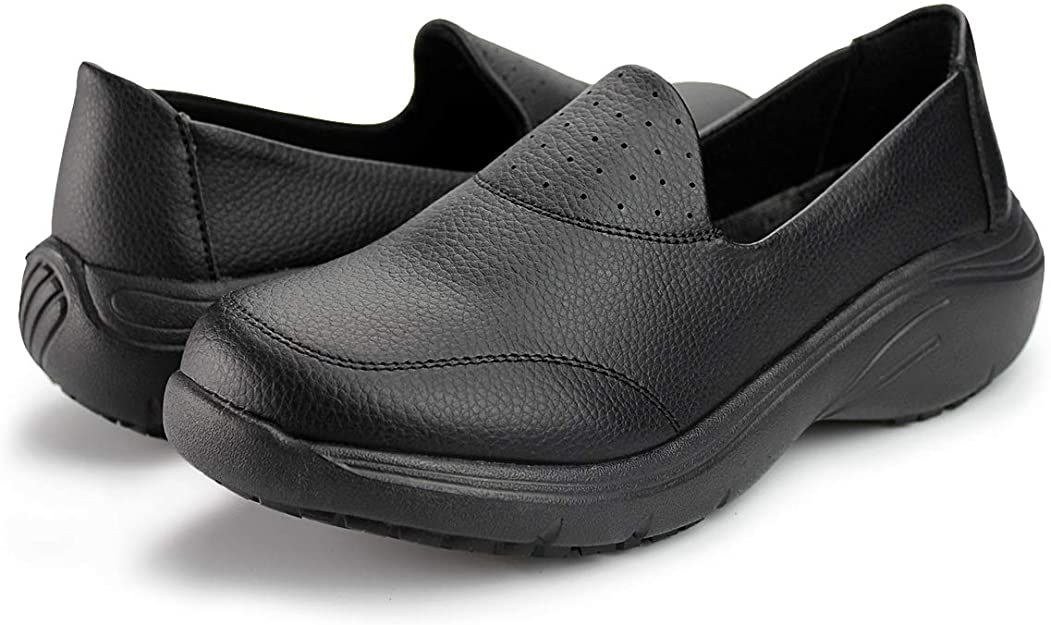
What to look for: cushioning with support (not just soft — marshmallow-soft shoes without arch support cause their own problems; you want cushioned plus structured); a roomy toe box (feet swell during long standing days — shoes that fit in the morning can torture by evening); good arch support matched to your foot type (flat feet need more structure; high arches need more cushioning); slip-resistant soles if your floor is slick; and low, stable heels (under 2 inches — stilettos and standing shifts are enemies). The categories that work: quality athletic sneakers (many workplaces now accept sleek black or white pairs), comfort-brand loafers and flats with real support, and supportive clogs or work shoes designed for healthcare and service workers (they stand all day professionally — trust their footwear). Break in gradually — even great shoes need a week. Rotate two pairs to let cushioning recover between shifts. And the secret weapon: aftermarket insoles ($30-50) can transform decent shoes into all-day shoes; replace them every 6 months. Socks matter too — cushioned, moisture-wicking socks prevent the blisters and swamp-foot that amplify pain.
Here’s the thing nobody tells you about shoes for standing all day at work: it’s mostly about subtraction, not addition. The people who look best aren’t wearing more — they’re wearing fewer, better-chosen things with more intention. Once you see shoes for standing all day at work as an editing problem rather than a shopping problem, everything gets simpler and cheaper. That’s the mindset shift this whole guide is built on.
If you want a second opinion from an authoritative source as you go, Good Housekeeping's shoe reviews and Who What Wear on comfortable work shoes are both solid places to cross-check what you read here.
The Logic Behind Shoes for standing all day at work
Fashion editors and stylists tend to converge on the same principles for shoes for standing all day at work, and it’s not a coincidence. When professionals who dress people for a living keep repeating the same advice — fit first, build a versatile core, buy for your real life — it’s because it works across bodies, budgets, and decades. Trends are the decoration; these principles are the structure.
For a related angle, our guide to How do I cook perfect rice on the stove every time pairs well with what you’re learning here — the two topics overlap more than most people realize.
Your Practical Game Plan
- Cushioning PLUS support — soft alone causes as many problems as it solves.
- Roomy toe box: feet swell during long days; morning fit lies.
- Rotate two pairs — cushioning needs 24 hours to recover.
- Aftermarket insoles ($30-50) transform decent shoes into all-day shoes.
- Cushioned moisture-wicking socks prevent blisters that amplify everything.
Mistakes That Undermine Most People
Shopping without a plan
Walking into a store (or opening an app) with no plan is how you end up with five tops and no bottoms. Before spending anything on shoes for standing all day at work, make a short list of actual gaps. Planned purchases get worn; impulse purchases get donated. The list takes five minutes and saves hundreds.
Keeping clothes that make you feel bad
If you put it on and immediately want to change, it's not serving you — no matter what you paid for it. I finally donated the "someday" pile last year and my mornings got measurably better. shoes for standing all day at work gets easier the moment your closet stops containing landmines.
Ignoring fit and hoping nobody notices
Everyone notices. A $40 shirt that fits perfectly looks better than a $400 shirt that doesn't — this is the single highest-leverage truth in dressing well. Fit is the difference between "put together" and "wearing clothes." When in doubt, size for your largest measurement and tailor the rest.
Chasing trends instead of building a foundation
Trends are fun, but they're rented excitement — here today, embarrassing in photos by next year. I've wasted real money learning this. For shoes for standing all day at work, get the timeless core right first, then sprinkle in one or two trendy pieces if you genuinely love them. The foundation is what people actually notice.
What To Do This Week
Here’s your practical takeaway on shoes for standing all day at work: style is a skill, not a shopping spree. Start with what you own — try the combinations, notice what feels right, and only buy to fill genuine gaps. Pick one idea from this guide and test it this week. In my experience, the people who look best aren’t the ones with the most clothes; they’re the ones who know exactly why everything in their closet is there.
One more resource worth bookmarking: How do I grill the perfect steak on a gas grill covers adjacent ground that’ll reinforce everything above.
A note of caution: Work shoes are a true invest item — your whole body pays for cheap ones. Spend here; save on shoes you barely wear.
Quick Answers To Common Questions
What if my body type makes shoes for standing all day at work harder?
Clothes are made for average proportions that almost nobody actually has — so nearly everyone needs adjustments. That's normal, not a flaw. The fix is the same regardless: learn which cuts work for your shape, size for your largest measurement, and budget a little for tailoring. Off-the-rack is a starting point, not a verdict. The best-dressed people in any room are usually the ones who've figured out their own fit formula.
How much should I budget for shoes for standing all day at work?
Less than you think. The biggest wins in shoes for standing all day at work are free: better combinations of what you own, better fit awareness, and clearing out what doesn't work. When you do spend, put money toward high-rotation items — the things you'll wear weekly — and go cheap on trendy or occasional pieces. A focused $100 spent on real gaps beats $500 of impulse buys every time.