
What Are the Best Low-Maintenance Landscaping Ideas for Beginners?
You want a yard that looks good without becoming a second job. I get it — I’ve killed enough high-maintenance plants to learn this the expensive way. When people ask what are the best low-maintenance landscaping ideas for beginners, the core principle is simple: work with your climate and soil, not against them. Every hour of fighting nature is an hour you could have spent enjoying the yard.
The Golden Rules of Low-Maintenance Landscaping
- Right plant, right place. Match plants to your sun exposure, soil type, and USDA hardiness zone. A plant suited to its spot needs a fraction of the care.
- Go native. Native plants evolved for your exact conditions — they need less water, less fertilizer, and shrug off local pests. Your local extension office has free native plant lists.
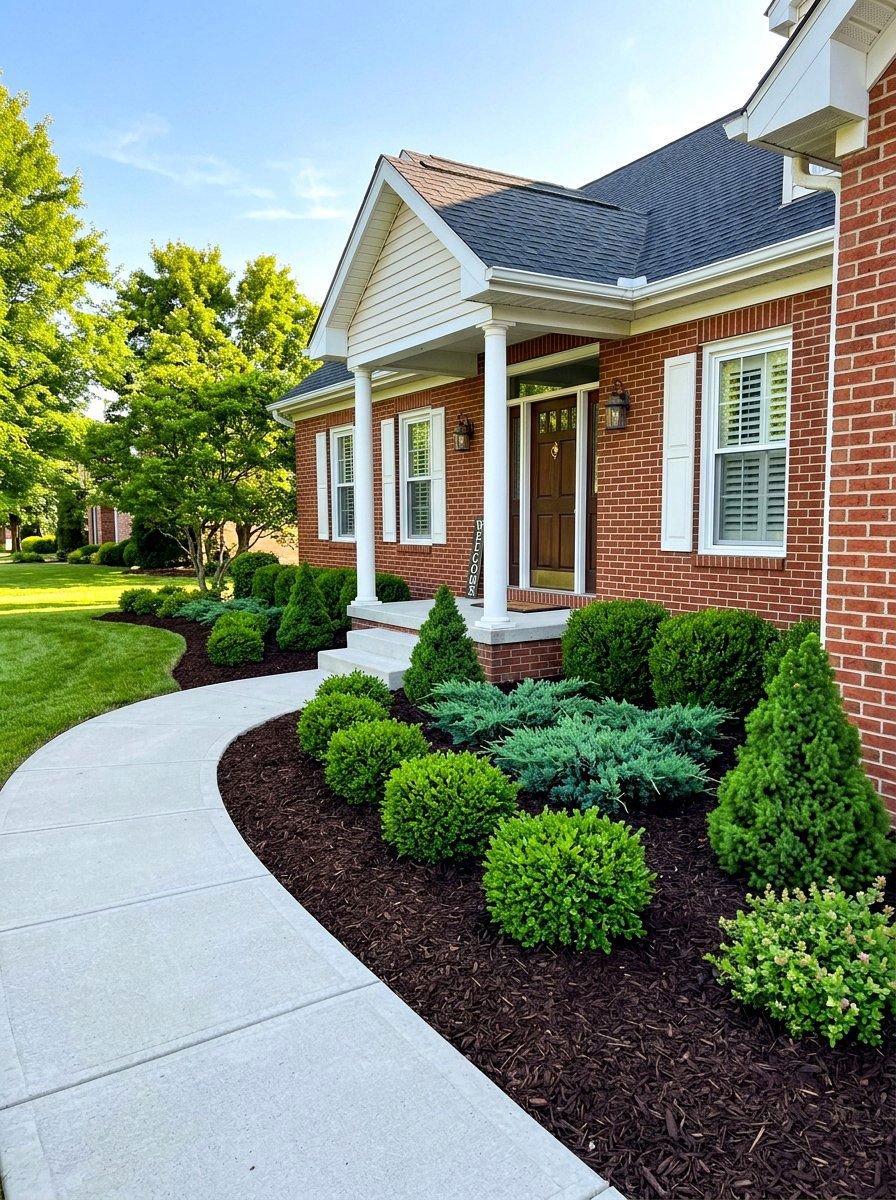
- Mulch everything. 3–4 inches of mulch suppresses weeds, retains moisture, and looks intentional. The single highest-ROI landscaping task.
- Shrink the lawn. Lawns are the highest-maintenance landscape element by far. Every square foot you convert to beds, mulch, or groundcover is weekly mowing you’ll never do again.
- Group by water needs. Put thirsty plants together and drought-tolerant ones together (hydrozoning) so you’re not overwatering half your yard to satisfy the other half.
What Are The Best Low-Maintenance Landscaping Ideas For Beginners?
These are nearly indestructible across most US zones (verify for yours):
- Ornamental grasses (miscanthus, fountain grass, blue fescue) — cut back once yearly, otherwise ignore. Gorgeous texture, four-season interest.
- Daylilies — bloom profusely, tolerate neglect, divide every few years for free plants.
- Hostas (shade) — lush foliage, minimal care. Slugs are the only real enemy.
- Coneflowers and black-eyed Susans — native prairie plants that thrive on abandonment and feed pollinators.
- Sedum/stonecrop — succulent groundcovers and upright varieties that laugh at drought.
- Boxwood and holly — evergreen structure that needs one shearing per year.
- Lavender and Russian sage — fragrant, drought-tolerant, deer-resistant.
The National Wildlife Federation’s native plant resources help you find species that support local ecosystems while demanding almost nothing from you.
Hardscape: The Ultimate Low-Maintenance Move
Plants need some care. Stone needs none:
- Gravel or decomposed granite paths and beds — weed-suppressing, permeable, zero watering.
- Large boulders and stone groupings — instant structure, permanent, free if you source locally.
- Raised stone or timber bed edges — define spaces crisply with one weekend of work.
- A patio or seating area — converts high-maintenance lawn to zero-maintenance living space.
Kill the Lawn (Partially)
The most impactful beginner move: reduce lawn area. Sheet-mulch sections (cardboard + mulch, no digging) and convert to native beds. Replace fussy turf with clover lawns (no fertilizer, less mowing, stays green) or groundcovers like creeping thyme in low-traffic areas. Your weekends will thank you.
Watering Without the Work
- Drip irrigation on a timer ($50–$150 for a starter kit) — waters roots efficiently, runs itself, cuts water use dramatically vs. sprinklers.
- Rain barrels ($80–$150) — free water for beds, and oddly satisfying.
- Water deeply but infrequently to train deep roots — the opposite of daily sprinkling, which creates shallow, dependent roots.
Beginner Mistakes to Avoid
- Planting too close together. That tiny shrub will be 6 feet wide. Read the mature size on the tag and believe it.
- Ignoring sun patterns. Watch your yard for a day before buying — “full sun” plants in 3 hours of shade just sulk.
- Skipping soil prep. One round of compost worked into beds pays off for years.
- Buying one of everything. Repetition looks designed; a botanical garden of singletons looks chaotic. Plant in groups of 3–5.
Your First $500 Beginner Bed, Itemized
Here’s a concrete starter project — one 4×12 foundation bed: soil prep: 6 bags of compost ($30) worked into the top 6 inches. Plants (all tough, all forgiving): 3 ornamental grasses ($45), 5 daylilies ($40), 3 coneflowers ($25), 2 Russian sage ($30), 1 boxwood for structure ($35) = $175. Mulch: 8 bags ($35). Edging: steel landscape edging for one bed ($40). Drip irrigation starter kit with timer ($80). Miscellaneous (fertilizer, hand tools you lack): $50. Total: ~$410. One weekend of work, and you have a professional-looking bed that needs perhaps 2 hours of maintenance per month — mostly deadheading and admiring. Success with one bed builds the confidence (and the plant-dividing stock — daylilies and grasses divide freely) for bed number two next season.
The Mistakes Every Beginner Makes (So You Don’t Have To)
Planting too close: the #1 beginner error. That cute 1-gallon shrub wants to be 5 feet wide — read the tag’s mature size and space accordingly. Empty-looking beds fill in; crowded beds become a pruning nightmare. Amending only the planting hole: digging a rich hole in clay soil creates a “bathtub” that drowns roots — amend the whole bed area instead. Watering a little daily: trains shallow roots; water deeply once or twice a week instead. Buying whatever’s blooming: the garden-center impulse buy. Shop with a list matched to your sun/soil/zone, not with your eyes. Skipping mulch: every unmulched bed is a weed farm and a watering chore. Mulch isn’t decoration — it’s the hardest-working element in the landscape.
Start With Your Extension Office (Free Expert Help)
Before spending a dollar, contact your county extension office — the most underused free resource in American gardening. Run by land-grant universities, extension offices provide: free native plant lists for your exact county, soil testing ($10–$20, with amendment recommendations), pest and disease diagnosis, and master gardener volunteers who answer questions. Their advice is research-based and locally specific — infinitely more useful than generic garden-center guidance. Many also run plant sales with locally-adapted natives at bargain prices. Tax dollars already paid for this expertise; use it.
Once the planting is done, don’t neglect the hardscape — our breakdown of the best outdoor paint for a wooden deck will keep your deck looking as good as the garden.
The Takeaway
What are the best low-maintenance landscaping ideas for beginners? Plant natives suited to your site, mulch heavily, shrink the lawn, add hardscape where plants struggle, and automate watering with drip irrigation. Design for neglect and you’ll get beauty without the burden.
Start with one bed this season — mulch, a few tough natives, done. Success compounds; next year you’ll want to do more. Yard looking better already? Our budget curb appeal guide layers on the finishing touches.