
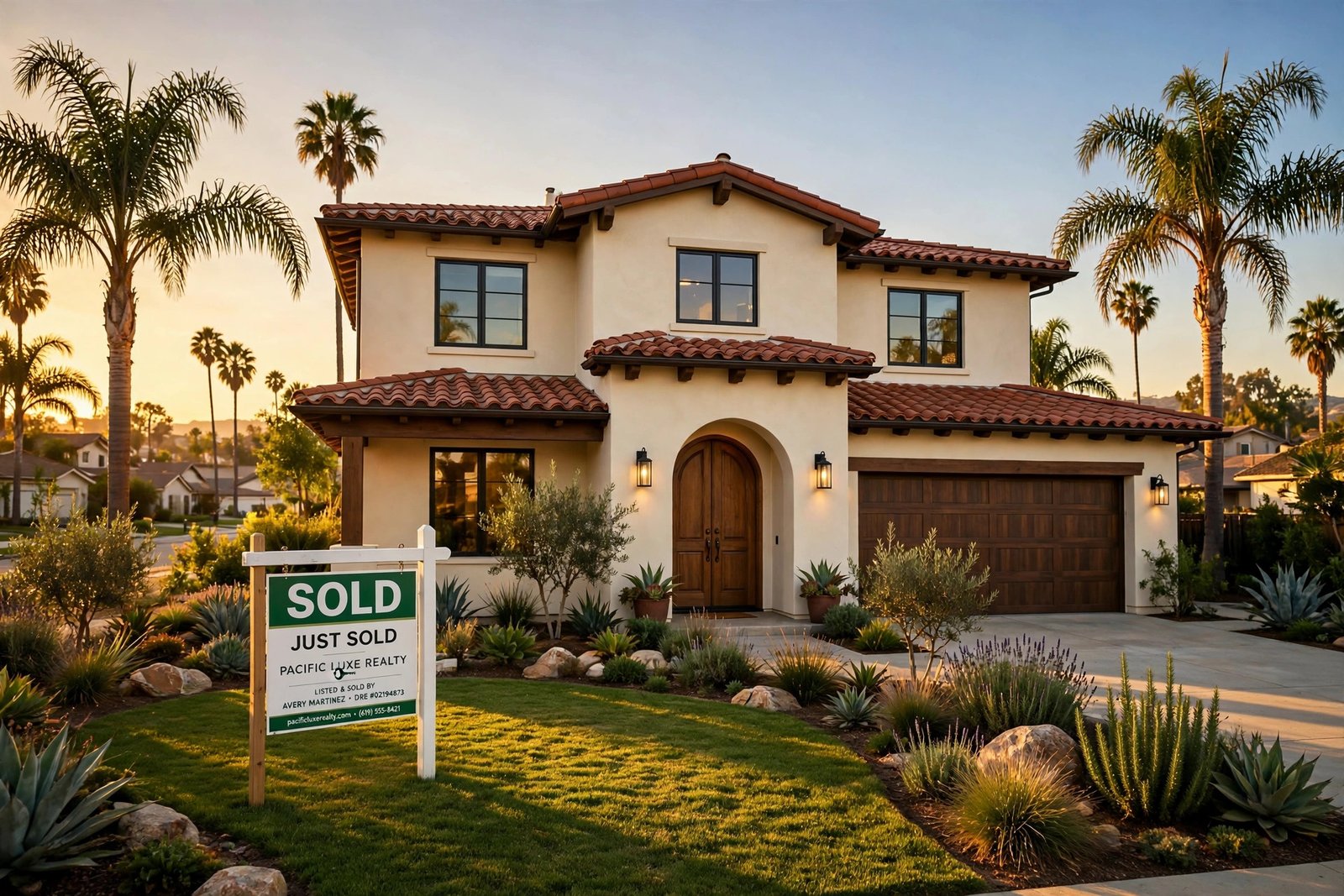
California’s housing market mints millionaires slowly and punishes impatience quickly. With median prices near record highs in most metros, selling your California home in 2026 isn’t about finding a buyer — it’s about extracting every dollar the market will bear while avoiding the taxes, fees, and mistakes that quietly eat tens of thousands. The difference between an average sale and a maximum-profit sale is routinely $30,000–$100,000 on a typical California home.
Here’s the full playbook: timing, pricing psychology, the upgrades worth doing (and the ones to skip), negotiation leverage, and the tax strategies that keep more of the profit in your pocket.
Timing: When California Sellers Win
Seasonality is real and measurable. In most California markets, March through June brings the most buyers, the most competition among them, and the highest sale-to-list ratios. February listings catch early movers; July–August still works but with thinner buyer pools; November–January is the discount season — fewer buyers, lower offers, longer days on market.
But 2026 adds a rate dimension: every Fed move shifts buyer purchasing power, and listing into a rate dip can add 5–10% more competing buyers. You can’t time the Fed, but you can watch the trend — if rates have been falling for 6–8 weeks, that’s your window. And consider your buy side simultaneously: selling high while buying high nets less than it appears. The maximum-profit sellers are those moving out of state, downsizing, or who’ve already secured their next home.
Pricing: The Psychology of the List Price
The data is unambiguous: homes priced at or just below market value sell faster and often above asking, while overpriced homes sit, accumulate stigma, and sell below what accurate pricing would have fetched. The mechanism: correct pricing maximizes showing traffic in the critical first two weeks, when listing freshness drives urgency; overpricing filters you out of search brackets (a $1.05M list misses everyone searching up to $1M).
Get three CMAs (comparative market analyses) from different agents, plus review comparable sales yourself — look at sold prices from the last 90 days within half a mile, adjusting for condition and upgrades, not listed prices. In California’s micro-neighborhood markets, a two-block difference can mean 5% — your agent’s hyperlocal knowledge is worth more here than anywhere. Consider a pre-listing appraisal ($400–$600) for high-value or unusual homes; it anchors negotiations and prevents appraisal-gap drama.
Upgrades: What Actually Pays (and What Doesn’t)
The highest-ROI pre-sale improvements in California are boring: paint (fresh neutral interior paint returns multiples of its cost), landscaping and curb appeal (first impressions set the price anchor — improving curb appeal on a budget covers the essentials), flooring (replacing worn carpet with laminate transforms dated interiors cheaply), lighting (bright homes photograph and show better), and decluttering/depersonalizing (the highest-ROI “upgrade” is free).
What doesn’t pay: major kitchen and bath remodels (you’ll recoup 50–70% at best — do them to enjoy, not to sell), pools (polarizing and maintenance-scary for buyers), luxury finishes in mid-market neighborhoods (over-improvement never appraises), and anything highly taste-specific. The rule: fix what’s broken or dated, don’t build what you wish you’d had. And disclose everything — California’s disclosure requirements are among the nation’s strictest, and hidden defects discovered post-sale become lawsuits.
Choosing an Agent (or Not)
In California’s market, a great listing agent earns their commission; a mediocre one costs you far more than their fee. Interview at least three. Ask: what’s your list-to-sale price ratio? Average days on market? How many homes have you sold in my neighborhood in the last year? What’s your marketing plan beyond the MLS (professional photography is table stakes — ask about video, staging, and targeted digital ads)?
Commission is negotiable — 2026’s post-settlement landscape has made fee structures more transparent, with typical total commissions of 4–5% split between sides, often lower. Flat-fee and discount brokerages can work for straightforward sales, but in complex or luxury transactions, full-service expertise usually pays for itself. Whatever you choose, get the fee agreement and marketing commitments in writing. The CFPB’s real estate guides explain agent roles and what to expect.
Negotiation: Extracting Maximum Profit
Maximum profit is won in negotiation, not just pricing. Create competition: price to attract multiple offers, set an offer deadline, and let buyers bid against each other — the best price often comes from the second-best buyer trying to beat the best. Evaluate beyond price: an all-cash offer $10,000 lower with no contingencies often nets more than a financed offer $10,000 higher that risks appraisal issues. Negotiate repairs strategically: pre-inspect and fix small items yourself; offer credits instead of doing buyer-requested repairs (credits cost less than contractor work).
Know your walk-away number before offers arrive — emotional sellers leave money on the table. And understand California-specific contract norms: the standard CAR purchase agreement, typical contingency periods, and your disclosure obligations. A good agent coaches you through this; a great one has already war-gamed your likely scenarios.
Keeping the Profit: California Tax Strategy
The federal Section 121 exclusion lets you exclude $250,000 ($500,000 married) of gain if you’ve owned and lived in the home 2 of the last 5 years — the single most valuable tax break in the code. Beyond that, California taxes capital gains as ordinary income (up to 13.3%), so planning matters: consider installment sales to spread gain across years, 1031 exchanges for investment properties (not primary residences), and timing the sale in a lower-income year if possible. The HUD housing resources and a good CPA are worth their weight here — on a $300,000 gain, smart planning versus none can differ by $30,000+.
Staging and Presentation: The Multiplier Effect
Staging isn’t decoration — it’s marketing psychology. Professionally staged California homes photograph better, show better, and consistently sell faster and closer to (or above) asking. You don’t need full-service staging at $3,000–$5,000/month: partial staging (living room, primary bedroom, kitchen) delivers most of the impact, and virtual staging for listing photos ($30–$75 per image) is a legitimate budget alternative for vacant homes.
The photography itself deserves obsession: hire a real estate photographer (not your agent’s iPhone), shoot at the golden hour when possible, and insist on twilight exterior shots — California homes sell the indoor-outdoor dream, and dusk photos capture it. Drone shots are worth it for properties with views, pools, or large lots. And declutter ruthlessly before the shoot: rent a storage unit for a month if needed. Every box, personal photo, and crowded countertop in a listing photo costs you showings — and showings are what create bidding wars.
Conclusion
Selling your California home for maximum profit in 2026 means: list in spring into rate dips, price at or just below market to spark competition, invest in high-ROI cosmetic improvements (paint, curb appeal, flooring, decluttering), hire a proven hyperlocal agent, negotiate on terms not just price, and plan the tax side with a professional. Each step compounds — and together they’re worth tens of thousands more than a casual listing. In California’s market, preparation isn’t optional; it’s the profit.
Frequently Asked Questions
What is the best month to sell a house in California?
March through June typically brings the most buyers and highest sale-to-list ratios. February catches early movers; November–January sees fewer buyers and softer offers.
How much does it cost to sell a house in California?
Expect 6–8% of the sale price all-in: 4–5% in agent commissions, plus closing costs, transfer taxes, staging, repairs, and potential capital gains taxes.
What home improvements add the most value before selling?
Fresh paint, curb appeal/landscaping, flooring updates, improved lighting, and decluttering offer the highest ROI. Major kitchen/bath remodels typically recoup only 50–70%.
How can I avoid capital gains tax when selling my California home?
The Section 121 exclusion shields $250,000 ($500,000 married) of gain on a primary residence owned and lived in 2 of the last 5 years. Beyond that, consider installment sales, timing, and professional tax planning — California taxes gains as ordinary income.
Should I sell my house myself (FSBO) in California?
FSBO saves commission but typically nets less — data consistently shows agent-listed homes sell for more, and California’s strict disclosure laws make DIY sales legally risky. Discount brokerages offer a middle path.