
Is It Worth Getting TSA PreCheck for Occasional Travelers?
Is it worth getting TSA PreCheck for occasional travelers who fly just a few times a year? TSA PreCheck promises shorter lines, no shoe removal, and laptops staying in bags — for $78 every five years. Let’s do the honest math, because the answer isn’t the same for everyone.
What You Actually Get
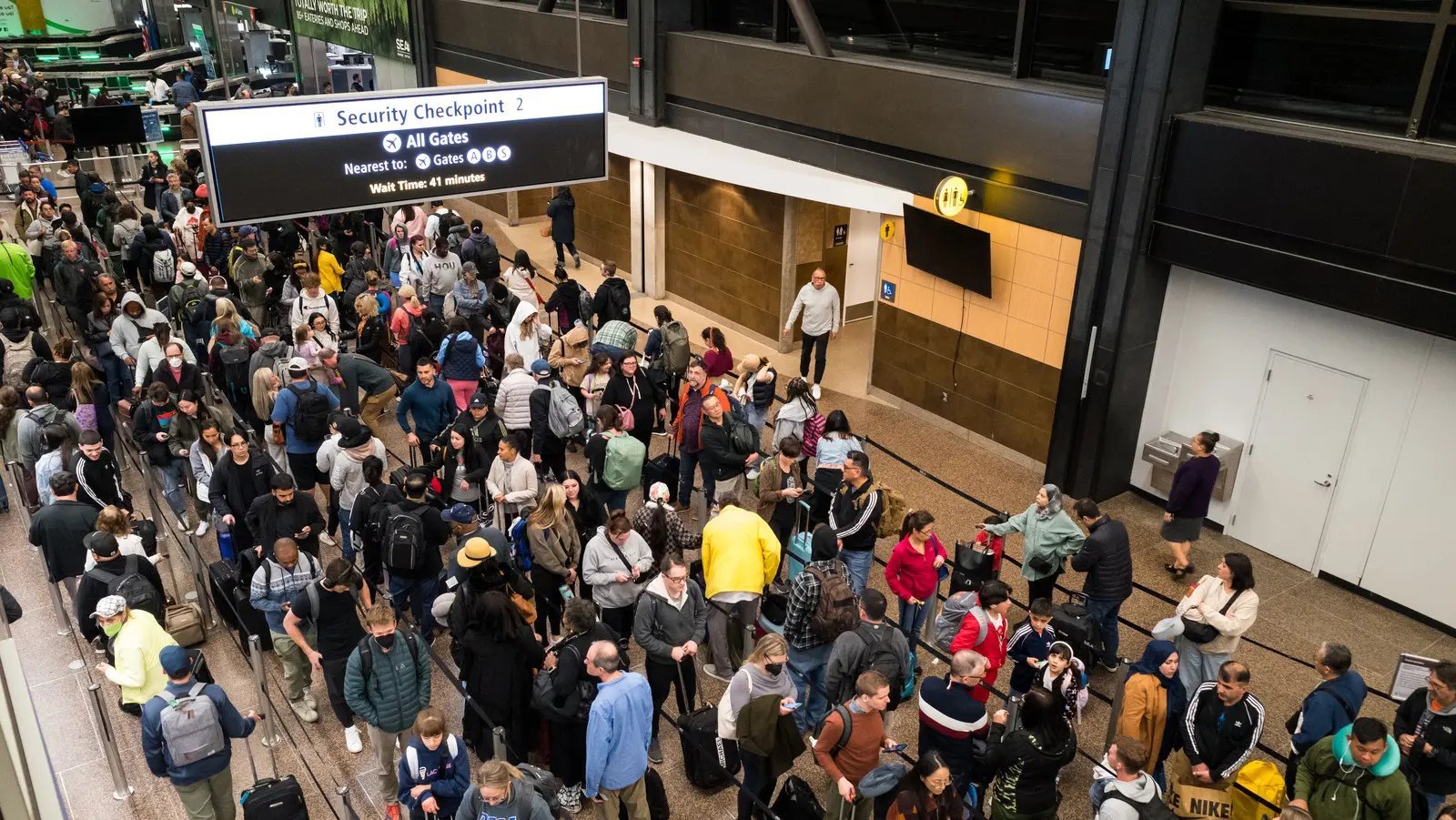
TSA PreCheck gives you access to expedited security lanes at 200+ US airports: keep shoes, belts, and light jackets on; laptops and liquids stay in your bag; and the lines are typically 5 minutes or less (the TSA reports 99% of PreCheck passengers wait under 10 minutes). It lasts five years and includes a Known Traveler Number you add to reservations.
The application: 10-minute online form, then a 10-minute in-person appointment (fingerprinting, ID check) at an enrollment center. Approval usually takes 3–5 days. Total cost: $78 for five years — about $15.60/year.
Is It Worth Getting TSA PreCheck for Occasional Travelers? The Math
The case for yes (even at 2–4 flights/year):
- $15.60/year is trivial. One avoided stressful sprint to a gate pays for the whole five years emotionally. If you fly even twice a year, that’s under $8 per trip for a meaningfully better airport experience.
- Time savings compound. Saving 15–30 minutes per flight × 3 flights/year × 5 years = 4–8 hours of your life back, plus dramatically less stress.
- Unpredictability insurance. Occasional travelers often fly at peak times (holidays, summer) when regular lines are worst. PreCheck’s value peaks exactly when occasional travelers fly.
- It covers the whole itinerary. Your Known Traveler Number works on all airlines and most international itineraries’ US departures.
The case for no:
- You fly once a year or less, always at off-peak times from small airports with short lines anyway.
- You already have Global Entry (it includes PreCheck) or a travel credit card that reimburses the fee (many do — check yours).
- You exclusively fly with someone who doesn’t have it — PreCheck doesn’t extend to companions, and splitting up at security defeats half the purpose for couples/families.
Don’t Forget the Alternatives
- Global Entry ($120/5 years): includes PreCheck + expedited US customs on international returns. If you travel internationally even once a year, this is the better buy — and many premium travel cards reimburse it.
- CLEAR ($199/year): biometric identity verification that skips to the front of the ID check — but you still need PreCheck (or regular screening) after. Only worth it for very frequent flyers at supported airports.
- Mobile Passport (free app): expedites customs via app — a free partial alternative to Global Entry’s customs benefit.
If a credit card reimburses the fee, the math becomes trivially yes. Cards like the Chase Sapphire Reserve, Amex Platinum, and Capital One Venture X cover Global Entry/PreCheck — check your wallet before paying out of pocket.
Tips for the Occasional Traveler
- Apply 2–3 months before a trip — don’t cut it close, though approval is usually fast.
- Add your Known Traveler Number to every reservation — and to your airline profiles so it’s automatic. PreCheck on your boarding pass is what matters; without the number attached, you get nothing.
- Traveling with kids 12 and under? They can use PreCheck lanes with you. Teens 13–17 need their own.
- International trips: PreCheck only helps at US airports. For the full door-to-door upgrade, Global Entry is the play.
Pair PreCheck with smart packing — our guide on packing a carry-on for a 10-day trip means you skip baggage claim too, and what to do when flights get canceled covers the worst-case scenario.
Is It Worth Getting TSA PreCheck for Occasional Travelers With Kids?
Family travel multiplies every airport pain — and PreCheck’s value calculation changes with kids in the mix. Here’s the family-specific breakdown.
The good news first: kids 12 and under can use PreCheck lanes with a PreCheck-enrolled parent or guardian — no separate enrollment needed. That means one parent’s $78 covers the whole young family through security. The practical difference is enormous: keeping shoes on wrangling toddlers, laptops staying packed while managing strollers, and the typically calmer PreCheck lane versus the chaotic standard line. If you’ve ever tried to fold a stroller, remove your shoes, juggle three bins, and keep a toddler from licking the conveyor belt simultaneously, you understand the value instantly.
Kids 13–17 need their own PreCheck enrollment ($78 each) — which stings for a family with teens. The math: two parents + two teens = $312 for five years, or about $62/year. Still reasonable if you fly 2+ times yearly, but it’s no longer trivial. An alternative: enroll just one parent (kids 12 and under ride along free) and accept standard screening when the teens are involved — or time enrollment so teens age into the free window. (A 12-year-old enrolled… well, kids 12 and under don’t need it at all, so enroll teens at 13.)
The family enrollment logistics: each person needs their own in-person appointment, but many enrollment centers allow back-to-back family appointments — book them together. Bring each child’s documents (birth certificate or passport). The 10-minute appointments are painless even for kids.
One more family consideration: PreCheck doesn’t help if you’re traveling with non-enrolled adults (grandparents, friends). The group either splits at security or everyone goes through the standard lane together. For family trips, the rule of thumb: if the core family unit (parents + young kids) is covered, it’s worth it. The occasional tag-along adult doesn’t negate the 90% of trips where it’s just you.
Bottom line for families: with kids 12 and under, one parent’s PreCheck is among the highest-ROI travel purchases possible — the stress reduction alone justifies it on the first trip. With teens, do the per-person math, but remember that the teen years are exactly when family travel gets logistically hardest. Smoother security with a 15-year-old in tow is worth more than the dollars suggest.
The Bottom Line
For most occasional travelers (2+ flights/year), TSA PreCheck is worth it — $78 over five years is negligible for consistently shorter, calmer security lines, especially since occasional travelers disproportionately fly at peak times. If you travel internationally at all, get Global Entry instead. And check your credit cards first — you might already have the fee covered.
For official details, the TSA PreCheck program page has enrollment info, and CBP’s Global Entry page covers the international upgrade.