
How to Start a Dropshipping Store With No Money
Tags: How to Start a Dropshipping Store With No Money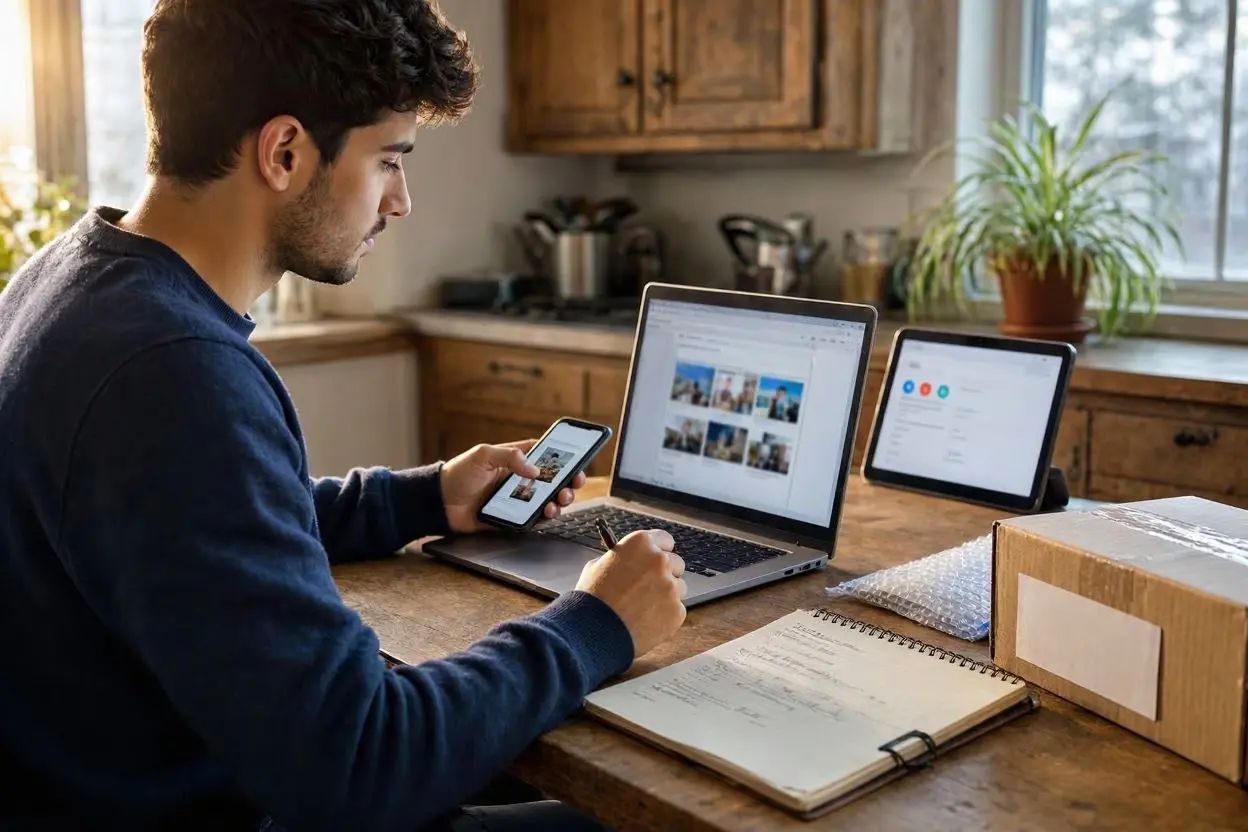
Starting an online business can sound expensive, especially when you think about buying products, renting storage space, building a website, and paying for advertising. But dropshipping is different. You can start selling products online without purchasing inventory in advance or keeping products in your home or warehouse.
If you are wondering how to start a dropshipping store with no money, the good news is that you can begin with very little upfront investment by using free tools, organic marketing, and a simple business strategy.
However, “no money” does not mean “no effort.” You still need to spend time researching products, finding reliable suppliers, creating content, answering customers, and improving your store.
What Is Dropshipping?
Dropshipping is an ecommerce business model where you sell products without keeping inventory yourself. When a customer places an order, the order is sent to a supplier, and the supplier ships the product directly to the customer.
In a traditional ecommerce business, you normally purchase inventory before making sales. With dropshipping, you can list products first and purchase them from the supplier after receiving an order.
This reduces the need for upfront inventory costs and storage.
For example, imagine you find a supplier selling a product for $10. You list it in your online store for $20. When a customer buys it, you pay the supplier and the supplier ships the product to the customer. The difference between your selling price and your costs is your potential profit before other business expenses.
Can You Really Start Dropshipping With No Money?
Yes, it is possible to start a dropshipping business with very little money, but there is an important difference between starting with $0 and running a business for $0.
You can reduce your initial expenses by:
- Using free social media platforms
- Creating organic content instead of buying ads
- Researching products with free tools
- Working with suppliers that don’t require bulk inventory purchases
- Starting with a free or low-cost store option
- Using free design and content tools
- Testing products before spending heavily
A professional ecommerce setup may eventually require money for a domain, platform subscription, apps, samples, payment processing, or marketing. Shopify also notes that while dropshipping can technically be started with no money, having some budget can make testing and growing the business easier.
Step 1: Choose a Profitable Dropshipping Niche
The first step is choosing a dropshipping niche.
A niche is a specific category of products aimed at a particular type of customer. Instead of trying to sell everything, focus on one area.
Some examples include:
- Pet products
- Home organization
- Fitness accessories
- Kitchen gadgets
- Car accessories
- Beauty accessories
- Travel products
- Phone accessories
- Hobby products
Don’t choose a product simply because it is trending. Ask yourself whether people actually need it, whether it is easy to demonstrate online, and whether there is enough room for profit.
You can use free resources such as Google Trends, social media platforms, and marketplace searches to understand what customers are interested in.
Step 2: Find Products People Actually Want
After selecting your niche, research individual products.
A good dropshipping product should ideally solve a problem, provide convenience, or offer something interesting enough that people want to share or buy it.
Look for products that:
- Have clear customer demand
- Are easy to explain
- Are not extremely fragile
- Are reasonably easy to ship
- Have enough potential profit margin
- Can be demonstrated through short videos
- Have positive customer feedback
- Are not difficult to understand or use
Don’t add dozens of random products to your store. A smaller selection of carefully researched products can make your store look more focused and trustworthy.
Step 3: Find a Reliable Dropshipping Supplier
Your supplier can make or break your dropshipping business.
Since you won’t normally handle the product yourself, you need to pay close attention to product quality, shipping times, communication, and customer reviews.
When comparing dropshipping suppliers, check:
- Product quality
- Supplier ratings and reviews
- Shipping options
- Estimated delivery times
- Return and refund policies
- Product pricing
- Communication
- Order processing time
If possible, ordering a sample is useful because product photos don’t always show the real quality of an item.
Remember that your customer will judge your store based on the product they receive. If your supplier repeatedly sends poor-quality products or delivers orders late, your business can suffer even if your marketing is good.
Step 4: Create Your Online Store
Once you have selected your products and supplier, you need somewhere to sell them.
You can create an ecommerce website using platforms such as Shopify or other ecommerce solutions. Shopify currently offers several ways to connect with suppliers, including supplier apps and direct supplier relationships.
If your budget is extremely limited, focus on keeping your first store simple.
You don’t need dozens of pages or hundreds of products.
At minimum, your store should have:
- A clear homepage
- Product pages
- Easy navigation
- Contact information
- Shipping information
- Return/refund information
- Privacy policy
- Terms and conditions
- A simple checkout process
Your goal should be to make customers feel comfortable buying from you.
Step 5: Build a Store Without Spending on Design
You don’t need an expensive designer to create a basic dropshipping store.
Use a clean theme and avoid unnecessary animations, pop-ups, and complicated layouts.
Your product pages should clearly explain:
What is the product?
Who is it for?
What problem does it solve?
How does it work?
What does the customer receive?
Use clear product images and write descriptions that focus on benefits rather than simply copying the supplier’s description.
For example, instead of writing:
“Portable Mini Fan with 3 Speed Settings.”
You could explain how the product helps someone stay comfortable while working, traveling, studying, or exercising.
That makes the product more relevant to the customer.
Step 6: Use Organic Marketing Instead of Paid Ads
This is one of the most important strategies if you want to start dropshipping with no money.
Paid advertising can help ecommerce businesses grow, but you don’t need to begin with ads.
Instead, focus on organic marketing.
You can create free content on platforms such as:
- TikTok
- YouTube
- Reddit, where appropriate
- Your own blog
Create short videos showing how your product works.
For example, if you are selling a kitchen gadget, create videos demonstrating the problem, show the product in action, and explain why it is useful.
Don’t make every post feel like an advertisement.
Educational, entertaining, problem-solving, and demonstration content can help you attract people who may eventually become customers.
Organic marketing can take longer than paid advertising, but it allows beginners to test ideas without immediately spending money.
Step 7: Create Content Around Your Product
Content marketing can become a powerful free traffic source.
Suppose your store sells products for pet owners. Instead of only posting product pictures, you could create content such as:
- How to keep your pet entertained at home
- Common mistakes new pet owners make
- Useful accessories for traveling with pets
- How to choose the right pet product
- Simple tips for keeping pets comfortable
Some of these topics can bring people to your website through search engines and social media.
Over time, helpful content can support your SEO strategy and introduce your products to potential customers.
Step 8: Use Free Tools to Research Keywords
SEO can help bring visitors to your store without paying for every click.
Start by researching keywords related to your products.
For example, if your niche is home organization, related keywords might include:
- home organization products
- best storage products
- small space organization
- kitchen storage ideas
- bedroom organization products
- affordable home organizers
Don’t force keywords into every sentence. Write for people first and search engines second.
Use your main keyword in appropriate places such as the page title, introduction, headings, URL, and naturally throughout the content.
Step 9: Start With a Small Product Range
One common mistake beginners make is adding too many products.
You don’t need 500 products to start a dropshipping store.
Instead, choose a small collection and learn what customers respond to.
A focused store makes it easier to:
- Create better content
- Understand your audience
- Improve product pages
- Build a recognizable brand
- Test different offers
- Provide better customer service
Once you identify products that receive genuine interest, you can gradually expand your product range.
Step 10: Focus on Customer Service
Dropshipping is not completely hands-off.
Even though your supplier handles fulfillment, you are responsible for your customer experience.
Customers may contact you about:
- Delivery times
- Tracking numbers
- Product information
- Returns
- Refunds
- Damaged products
- Order changes
Respond clearly and professionally.
A customer who receives quick and helpful support may be more likely to trust your business and purchase again.
How to Make Money With Dropshipping
The basic dropshipping profit model is straightforward.
You sell a product for more than your total cost of acquiring and delivering it.
For example:
Selling price: $30
Supplier/product cost: $15
Other costs: $5
Potential profit: $10
This is only an example. Your actual profit will depend on supplier pricing, shipping, payment processing, refunds, taxes, advertising, platform fees, and other expenses.
This is why beginners should not focus only on the product price. You need to understand the complete cost of selling a product.
Dropshipping can reduce inventory risk, but it does not guarantee profits. Competition, customer acquisition costs, product quality, and margins can all affect the final result.
Common Mistakes to Avoid
If you’re learning how to start dropshipping with no money, avoiding unnecessary mistakes is especially important.
Choosing a Product Without Research
A product that looks exciting to you may not have enough demand. Research the market before building your entire store around it.
Copying Competitors
Studying competitors is useful, but copying their website, descriptions, images, or branding is not a sustainable strategy.
Try to understand what they are doing well and then create your own approach.
Relying Only on Paid Advertising
If you have no budget, don’t build a business model that depends entirely on advertising.
Learn organic content, SEO, email marketing, and social media first.
Ignoring Shipping Times
Customers don’t like surprises. Clearly communicate expected shipping times before they purchase.
Using Poor-Quality Product Images
Your product images can strongly affect how customers perceive your store. Use clear and relevant images and, when possible, create original content.
Expecting Instant Profits
Dropshipping is a business model, not a guaranteed get-rich-quick method. You may need to test several products, marketing approaches, and content ideas before finding something that works.
A Simple $0 Dropshipping Strategy
If you literally have no money to start, keep the process simple.
Day 1–3: Choose a niche and research potential products.
Day 4–7: Compare suppliers and investigate shipping, quality, and customer reviews.
Week 2: Build your basic online presence and prepare product content.
Week 3: Start publishing short-form videos and helpful social media content.
Week 4: Review which products and content receive the most attention.
Then repeat the process.
The goal isn’t to create a perfect store on day one. The goal is to learn what customers want and improve your business based on real feedback.
Is Dropshipping Worth Starting With No Money?
Dropshipping can be a practical way to learn ecommerce without purchasing large amounts of inventory upfront. The model allows suppliers to handle fulfillment while you focus on product selection, marketing, sales, and customer service.
But starting with no money means you will need to compensate with time and effort.
Instead of paying for advertisements, you may need to create content every day. Instead of hiring a designer, you may need to learn basic design yourself. Instead of buying expensive research tools, you can use free resources.
The biggest advantage is that you can test an idea without committing to a large inventory investment.
Final Thoughts
Learning how to start a dropshipping store with no money is possible, but it requires realistic expectations.
Start with a focused niche, research your products carefully, find a reliable supplier, create a simple store, and use free marketing channels to attract potential customers.
Don’t worry about building a huge ecommerce business immediately. Start small, test your ideas, learn from customers, and improve your store over time.
The most important thing is to treat dropshipping like a real business rather than a shortcut to quick money.
Frequently Asked Questions About Starting Dropshipping With No Money
1. Can I start a dropshipping store with $0?
You can begin testing the dropshipping model with very little or no upfront inventory investment. However, some costs may eventually arise, such as ecommerce platform fees, domain registration, payment processing, product samples, or marketing.
2. Is dropshipping completely free?
Not necessarily. Dropshipping removes the need to purchase and store inventory upfront, but running a professional ecommerce business can still involve platform, domain, payment, supplier, tax, and marketing costs.
3. What is the best product for dropshipping?
There is no single best product for everyone. Look for products with genuine demand, manageable competition, reasonable shipping, good supplier quality, and enough potential margin.
4. How do I find dropshipping suppliers?
You can research supplier directories, ecommerce supplier networks, and dropshipping apps. Always investigate reviews, product quality, shipping times, pricing, and customer service before relying on a supplier.
5. Can I do dropshipping without a website?
Yes. Some sellers use social media and marketplace platforms to sell products. However, having your own online store can give you more control over branding, customer experience, and product presentation.
6. How can I market a dropshipping store without money?
Focus on organic marketing. Create useful videos, product demonstrations, educational posts, SEO content, and social media content. Consistency is more important than posting once or twice.
7. Is dropshipping still profitable?
Dropshipping can be profitable, but profitability depends on factors such as product selection, pricing, supplier costs, marketing, customer acquisition, returns, and operating expenses. It is not guaranteed income.
8. Do I need to buy inventory before getting orders?
One of the main benefits of dropshipping is that you generally don’t need to purchase and store inventory before receiving customer orders. The supplier fulfills the order after the sale.
9. How long does it take to make money with dropshipping?
There is no fixed timeline. Some stores may get early sales, while others require weeks or months of testing and improvement. Your results depend on your niche, products, marketing, pricing, and execution.
10. What should I do first if I have no money?
Start with market research. Choose a niche, identify potential products, research suppliers, study competitors, and create a simple organic marketing plan before spending money.