
How to Politely Ask a Client for Late Payment
Tags: How to Politely Ask a Client for Late Payment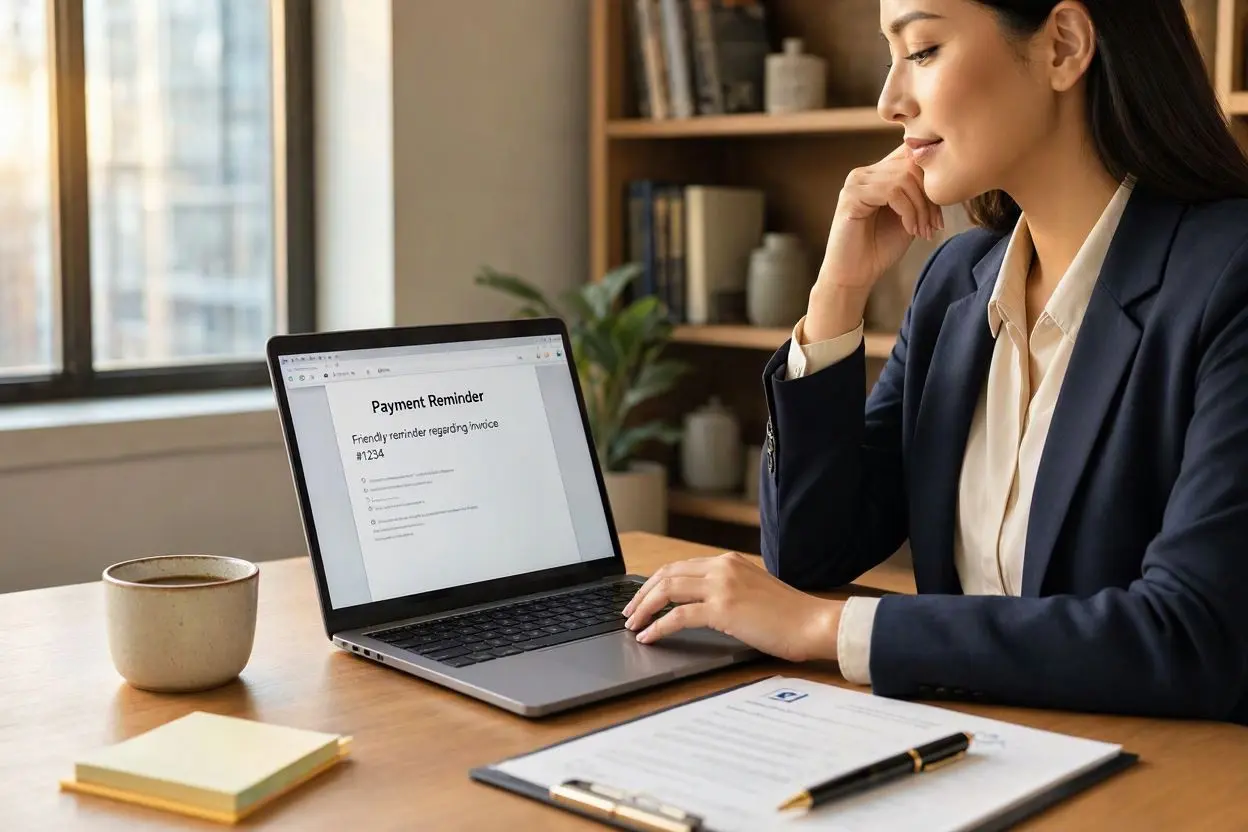
As a freelancer, consultant, agency owner, or small business owner, getting paid on time is an important part of running a business. But sometimes a client misses a payment deadline, forgets an invoice, or takes longer than expected to process a payment.
The difficult part is knowing how to politely ask a client for late payment without sounding rude, desperate, or overly demanding.
The good news is that you do not need to feel uncomfortable about following up. You have completed the agreed work, and asking about an unpaid invoice is a normal part of professional business communication.
A good late payment reminder should be polite, clear, and direct. It should tell the client which invoice is outstanding, when it was due, how much is owed, and what you would like them to do next.
Why Is It Important to Follow Up on Late Payments?
When a client does not pay on time, it can affect your cash flow and make it harder to manage your own business expenses. Waiting too long before contacting the client can sometimes make the situation more difficult.
A simple payment reminder email can be enough to solve the problem. In many cases, the client may have simply forgotten about the invoice or may not have noticed that the payment was due.
The best approach is to assume there may be a simple reason for the delay, especially when contacting the client for the first time about an overdue invoice. Keeping the conversation professional can also help protect your long-term client relationship.
When Should You Ask a Client for Late Payment?
You do not necessarily need to wait weeks before sending a reminder.
For an invoice that has just become overdue, a polite follow-up shortly after the due date is reasonable. If you do not receive a response, you can send another reminder after a few days and gradually make your message more direct.
A simple follow-up schedule could look like this:
- 1–3 days overdue: Send a friendly payment reminder.
- About 7 days overdue: Send a more direct follow-up.
- 14–30 days overdue: Clearly mention that the invoice remains unpaid and ask for a payment date.
- Long overdue: Send a final professional notice and refer to your agreed payment terms where appropriate.
The exact timing can depend on your contract, payment terms, and relationship with the client.
How to Politely Ask a Client for Late Payment
The easiest way to write a polite payment request is to keep the message short and factual.
Include these important details:
- The client’s name
- Invoice number
- Invoice amount
- Original due date
- Current payment status
- A clear request for an update or payment date
- A payment link or instructions, if applicable
For example, instead of writing:
“Why haven’t you paid my invoice yet?”
Use something more professional:
“I wanted to follow up regarding Invoice #1045, which was due on September 20. Could you please let me know when I can expect the payment?”
The second version communicates the same message without creating unnecessary tension.
Keep Your Payment Reminder Friendly
Your first reminder should generally feel like a friendly follow-up, not a complaint.
Remember that there could be several reasons for a late payment. The invoice may have been missed, the client’s accounting department may still be processing it, or they may need additional information before releasing the payment.
A friendly tone gives the client an opportunity to explain the situation.
For example:
Subject: Friendly Reminder – Invoice #1045
Hi [Client Name],
I hope you’re doing well.
I just wanted to follow up on Invoice #1045 for [Amount], which was due on [Due Date]. I wanted to check whether the payment has been scheduled.
If you need me to resend the invoice or provide any additional information, please let me know.
Thank you,
[Your Name]
This type of overdue invoice email is short, polite, and easy for the client to respond to.
Be Clear About the Invoice
One common mistake when asking for late payment is being too vague.
Simply saying, “Just checking about my payment” does not give the client enough information. They may have several invoices from different suppliers or freelancers.
Instead, mention the specific invoice number, amount, and due date.
For example:
“I’m following up on Invoice #1045 for $750, which was due on September 20.”
This gives the client everything they need to identify the payment quickly.
Including the invoice details also makes your payment follow-up email look more professional and organized.
Ask When You Can Expect Payment
Rather than simply saying, “Please pay immediately,” consider asking for an expected payment date.
This makes it easier for the client to give you a useful response.
You could write:
“Could you please confirm when the payment is expected?”
Or:
“Would you be able to let me know the expected payment date?”
This is particularly useful when the client has already acknowledged the invoice but has not yet paid.
You are not only asking them to pay; you are asking for information that helps you manage your cash flow.
Make It Easy for the Client to Pay
If possible, include the payment link, bank details, or a fresh copy of the invoice with your reminder.
Sometimes a client may have intended to pay but cannot quickly find the original invoice or payment information. Removing that extra step can make the process easier.
A good invoice payment reminder should ideally contain everything the client needs to take action.
For example:
“I’ve attached the invoice again for convenience. You can also make the payment using the link below.”
This sounds helpful rather than demanding.
What to Say When the Invoice Is Several Days Overdue
If you have already sent a friendly reminder and there has been no response, it is reasonable to become slightly more direct.
You can still remain polite while clearly explaining that the payment is overdue.
Example of a Firm but Polite Payment Reminder
Subject: Follow-Up on Overdue Invoice #1045
Hi [Client Name],
I hope you’re doing well.
I’m following up regarding Invoice #1045 for [Amount], which was due on [Due Date]. I haven’t received the payment yet, so I wanted to check on its current status.
Could you please let me know when the payment is expected?
If there is any issue with the invoice or if you need any additional information from me, please let me know and I’ll be happy to help.
Best regards,
[Your Name]
This approach is professional because it states the facts without blaming the client.
What If the Client Says They Cannot Pay Yet?
Sometimes a client may respond and explain that they are experiencing a temporary cash-flow problem or that their payment is delayed internally.
Instead of immediately becoming confrontational, ask when they realistically expect to make the payment.
You might say:
“Thanks for letting me know. Could you please confirm a date when the payment can be made?”
If appropriate, you can also discuss a payment arrangement. However, any arrangement should be clear and consistent with your business policies and existing agreement.
What If the Client Doesn’t Respond?
If the client ignores your first reminder, do not immediately assume that they are intentionally avoiding payment.
Send another follow-up after a reasonable period. Your second message can be more direct.
For example:
“I’m following up again regarding Invoice #1045, which is now 14 days overdue. Please confirm the expected payment date at your earliest convenience.”
At this stage, it is useful to keep records of your invoices, emails, agreed payment terms, and previous reminders.
If the invoice becomes seriously overdue, review the terms of your contract before deciding what further action to take.
Common Mistakes to Avoid When Asking for Payment
Knowing what not to say in a payment reminder email is just as important as knowing what to say.
1. Don’t sound angry
Avoid emotional language such as:
- “You never pay on time.”
- “I’m tired of chasing you.”
- “Why are you ignoring me?”
- “You better pay today.”
Even if you are frustrated, an angry email can damage a professional relationship.
2. Don’t apologize for asking
You earned the payment, so you do not need to write:
“Sorry to bother you, but I was wondering if maybe you could possibly make the payment…”
Instead, be polite and confident:
“I’m following up regarding the outstanding invoice.”
3. Don’t write a very long email
A late payment reminder does not need to be a long explanation. Keep it focused on the invoice and the next step.
4. Don’t make unclear demands
Instead of saying “Please sort this out,” ask for something specific, such as:
“Could you please confirm the expected payment date?”
Clear requests are easier for clients to answer.
How to Maintain a Good Client Relationship
Getting paid is important, but maintaining professional relationships matters too.
The best approach is to separate the payment issue from the personal relationship. A client can be happy with your work while their payment is simply delayed.
Try to remain calm and professional throughout the process.
You can also make future payments easier by agreeing on payment terms before starting a project. Clearly state your invoice due dates, accepted payment methods, deposits, and any applicable late-payment terms in your agreement.
This makes future payment conversations much easier because both sides already understand the expectations.
A Simple Late Payment Email Template
If you need a quick late payment email template, you can use this structure:
Subject: Follow-Up on Invoice #[Invoice Number]
Hi [Client Name],
I hope you’re doing well.
I’m following up regarding Invoice #[Invoice Number] for [Amount], which was due on [Due Date]. I wanted to check whether the payment has been scheduled.
Could you please let me know when I can expect the payment?
If you need me to resend the invoice or provide any additional information, please let me know.
Thank you,
[Your Name]
This template works well because it is polite, direct, and gives the client an easy way to respond.
Final Thoughts
Knowing how to politely ask a client for late payment is an important business skill, especially for freelancers and small business owners.
The key is to be professional without being passive. Mention the invoice details, explain that the payment is overdue, ask for an expected payment date, and make it easy for the client to pay.
Start with a friendly reminder and become more direct only if the invoice remains unpaid. Most importantly, avoid emotional or threatening language. A calm and clear payment reminder email can help you get the information or payment you need while keeping the client relationship professional.
Remember, following up on an unpaid invoice is not rude. You are simply communicating about an agreed business obligation.
FAQs
1. How do I politely ask a client for a late payment?
Keep your message short and professional. Mention the invoice number, amount, and due date, then ask when you can expect payment. For example, “I’m following up regarding Invoice #1045, which was due on September 20. Could you please confirm when the payment is expected?”
2. What is the best subject line for a late payment email?
Simple subject lines work well, such as “Following Up on Invoice #1045,” “Payment Reminder – Invoice #1045,” or “Overdue Invoice #1045.” Include the invoice number when possible so the client can identify the payment quickly.
3. How long should I wait before asking about an overdue invoice?
You can send a polite reminder shortly after the invoice becomes overdue. If you receive no response, follow up again after several days. For significantly overdue invoices, you can use a firmer but still professional message.
4. Should I attach the invoice again?
Yes. Attaching the invoice again can make the process easier for the client, especially if the original email is difficult to find. You can also include the payment link or payment instructions.
5. How do I ask when a client will pay?
Ask directly but politely: “Could you please confirm the expected payment date?” This gives the client a clear question to answer and helps you understand when the payment may arrive.
6. How do I follow up if the client doesn’t respond?
Send another short reminder after a reasonable period. Mention that the invoice is still outstanding and ask for an update. If the invoice becomes seriously overdue, review your contract and payment terms before taking further action.
7. Should I call a client about a late payment?
If emails have not received a response, a phone call can sometimes be useful. Keep the conversation professional, explain which invoice you are calling about, and ask about its payment status. Follow up important conversations in writing so there is a clear record.
8. Is it rude to ask a client for payment?
No. Asking for payment for completed work is a normal part of doing business. The important thing is to communicate respectfully, clearly, and professionally.
9. What should I avoid saying in a payment reminder?
Avoid insults, accusations, emotional language, threats, or vague statements. Focus on the invoice, due date, amount owed, and the action you need from the client.
10. What is the difference between a payment reminder and an overdue payment notice?
A payment reminder is generally a friendly request to check or prompt payment. An overdue payment notice is more direct and specifically tells the client that the invoice has passed its due date. The tone can become firmer as an invoice remains unpaid.