
Introduction
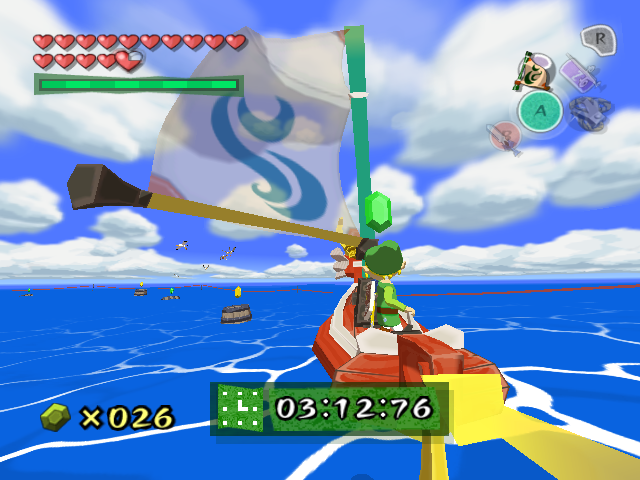
Sploosh Kaboom is the cannon-shooting minigame in The Legend of Zelda: The Wind Waker, run by the cheerful Salvatore on Windfall Island. The rules sound simple: fire cannonballs at a grid to sink hidden squids. In practice, it is one of the trickiest minigames in the game — and the prize, a Piece of Heart, makes it worth mastering.
This guide covers every trick in the book: listening for audio cues, spotting squid patterns, smart shooting strategies, and a few clever exploits. Let us turn you into a Sploosh Kaboom champion.
Direct Answer: How Do You Cheat at Sploosh Kaboom?
The best “cheat” for Sploosh Kaboom is listening carefully: each hidden squid makes a distinct splashing sound when your cannonball lands near it. Shoot in a checkerboard pattern to find squids fast, then finish them off by targeting adjacent squares. With sound cues and smart patterns, you can win almost every round.
How Sploosh Kaboom Works
Before the tricks, here is a quick refresher on the rules:
- You pay 10 rupees per game (later rounds cost more).
- You get a limited number of cannonballs — 24 in the first round.
- Three squids hide on an 8×8 grid: one big (4 squares), one medium (3 squares), and one small (2 squares).
- Sink all three squids before you run out of cannonballs to win.
- Win three rounds in a row to earn the Piece of Heart.
The game is basically Battleship with cannons. The catch? You cannot see the squids — you have to find them by shooting. That is where the tricks come in.
Trick 1: Listen for the Splashes
This is the single most important trick. When your cannonball lands:
- A “sploosh” sound means you hit open water — no squid there.
- A different, meatier splash means you hit a squid. The game also shows a red X marker on hits.
- Listen for movement sounds. Squids shift position slightly between rounds, and attentive players can sometimes hear subtle audio hints about nearby squids.
Turn your TV volume up or wear headphones. The audio feedback is your best friend in this minigame.
Trick 2: Use the Checkerboard Pattern
Do not shoot randomly. The smartest opening strategy is the checkerboard (or “parity”) pattern:
- Shoot every other square, like the dark squares on a chessboard.
- Since the smallest squid is 2 squares long, a checkerboard pattern guarantees you will hit every squid at least once.
- Once you get a hit, stop the pattern and hunt that squid (see Trick 3).
This method finds squids in far fewer shots than random guessing. Battleship players have used it for decades — it works because of pure maths. Read more about the strategy behind it on Wikipedia’s Battleship page.
Trick 3: Finish Squids Systematically
When you hit a squid, do not celebrate yet — sink it properly:
- Shoot the four squares around your hit (up, down, left, right).
- If you get a second hit in a line, the squid lies along that line — keep shooting along it.
- If the surrounding squares miss, the squid extends in the other direction.
Never leave a wounded squid to chase a new one. A half-found squid still costs you shots later, and shots are precious.
Trick 4: Learn the Common Hiding Spots
The game places squids randomly, but some patterns come up often:
- Squids love the edges and corners of the grid.
- The big 4-square squid often sits along a row or column near the middle.
- After a few games, you will start to “feel” where squids hide. Trust your instincts.
Trick 5: The Camera Zoom Exploit
Here is a cheeky one. Before the game starts, during the setup view:
- Use the camera to zoom in and look closely at the water.
- Some players report being able to spot faint outlines or ripples where squids sit just below the surface.
- This does not always work, and it depends on your version of the game — but it costs nothing to try.
Trick 6: Save Before You Play
This is the ultimate safety net:
- Save your game before talking to Salvatore.
- If you lose a round, reload your save instead of paying again.
- This saves rupees and lets you retry the later, more expensive rounds for free.
It is not glamorous, but it is effective. The third round costs 50 rupees a game — reloading a save is much cheaper.
Common Mistakes to Avoid
- Shooting randomly. Random shots waste cannonballs. The checkerboard pattern is always better.
- Ignoring audio cues. Playing on mute throws away your biggest advantage. Sound on, always.
- Chasing new hits before sinking the current squid. Finish what you start — a half-sunk squid is wasted information.
- Forgetting to save first. Losing the expensive later rounds without a save backup is painful.
Love Zelda minigames? Check out our guide to winning the Wind Waker auction and how to beat the Savage Labyrinth.
FAQs
What is Sploosh Kaboom?
Sploosh Kaboom is a Battleship-style cannon minigame in The Legend of Zelda: The Wind Waker, located on Windfall Island. You can learn more about the game itself on Wikipedia’s Wind Waker page.
What do you win in Sploosh Kaboom?
Winning rounds earns you rupees. Win three rounds in a row and you get a Piece of Heart — four of those make a full Heart Container.
How many cannonballs do you get?
You get 24 cannonballs in the first round. Later rounds give you fewer shots, making them harder.
Can you actually cheat in Sploosh Kaboom?
There are no button-code cheats, but the tricks in this guide — sound cues, the checkerboard pattern, camera zooming, and save-scumming — are the closest thing to cheating, and they all work within the game’s normal rules.
Where is Sploosh Kaboom located?
On Windfall Island, in the wooden building near the docks. Look for Salvatore, the enthusiastic game host.
Does the squid placement change each game?
Yes, squid positions are randomised each round, so you cannot memorise layouts. That is why pattern-based strategies beat memorisation.
Conclusion
Sploosh Kaboom looks like luck, but it is mostly skill. Listen for the splashes, open with a checkerboard pattern, finish each squid methodically, and save before you play. Do that, and the Piece of Heart is yours.
Now get out there and show Salvatore who is boss.