
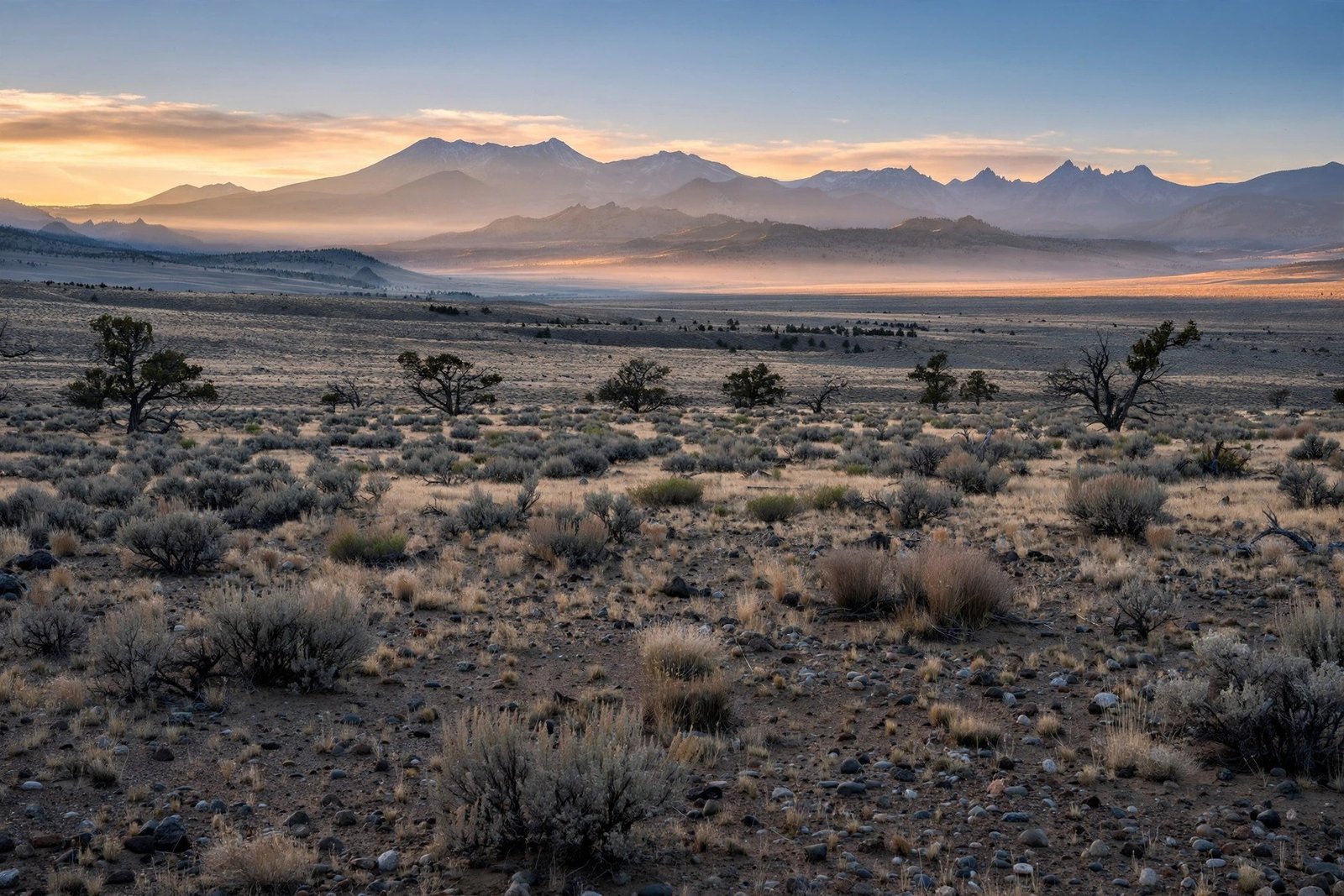
Somewhere east of Bend, south of Burns, or in the Coast Range foothills, there is a parcel of Oregon with your name on it — timbered acres, high-desert views, or a quiet valley floor. Rural Oregon land is still relatively affordable compared to the West Coast’s urban markets, but buying it is a different sport from buying a house. No inspections are standardized, wells and septic systems are your problem, zoning determines everything, and the “bargain” parcel often hides five-figure surprises.
This guide walks through buying rural Oregon land: finding parcels, due-diligence essentials (water, septic, access, zoning), financing, and closing — so the dream acreage does not become a money pit.
Find the Right Parcel (and Know What “Rural” Means)
Oregon’s rural land spans high desert (Central/Eastern Oregon — affordable, water-scarce), timber country (Coast Range, Cascades foothills — beautiful, regulated), and agricultural valleys (Willamette, Rogue — productive, expensive). Define your purpose first: recreation (hunting, ATV, getaway cabin), homestead (well, septic, dwelling), timber investment, or speculation — each implies different requirements and different land.
Search on Lands of America, LandWatch, and local MLS (rural parcels often list locally, not nationally), plus county foreclosure and tax-lien sales for discounts with homework. Market data from the National Association of Realtors helps benchmark rural land prices by region. Work with a land-specialist agent — residential agents routinely miss rural issues (water rights, easements, forest practice rules). Visit in the worst season: winter shows access problems, spring shows drainage — a parcel that is perfect in August can be unreachable in February. The location diligence echoes homebuying basics in choosing the right neighborhood, except your “neighborhood” is a watershed.
Due Diligence: Water, Septic, Access, Zoning
Water: Oregon water law follows prior appropriation — you need a water right to use surface or groundwater beyond exempt domestic uses, and rights stay with the land (verify they transfer). For domestic wells, check neighboring well logs (Oregon Water Resources Department database) for depth and yield — a 400-foot well at $35-50/foot is a $15,000+ surprise. Test water quality; arsenic and nitrates occur in some basins.
Septic: most rural parcels need onsite systems ($15,000-40,000+). Get a feasibility/site evaluation from the county sanitarian before buying — some soils fail perc tests, making the land unbuildable for dwellings. Access: verify legal recorded access — landlocked parcels without easements are nearly worthless and unfinanceable. Check road maintenance: who plows, who grades, what it costs. Zoning: Oregon’s exclusive farm use (EFU) and forest zones severely restrict dwellings — a 40-acre EFU parcel may not allow the cabin you imagine. Confirm allowed uses with county planning in writing. USDA rural programs detail financing options for eligible rural properties.
Financing and Making an Offer
Financing raw land is harder than financing homes. Conventional mortgages do not apply; expect land loans at 25-50% down, higher rates, and shorter terms (10-20 years). USDA loans help for qualifying rural homesites with structures. Seller financing is common in rural Oregon — often the best terms available — but have an attorney review the contract. Farm Credit institutions (Northwest Farm Credit Services) specialize in rural land and understand timber and agricultural valuations.
Offer strategy: rural land typically sells at 85-95% of list after extended days on market — lowball respectfully with comps from the county assessor (not Zillow, which misprices rural land badly). Include contingencies: feasibility period for well/septic/zoning verification, survey, and title. Get a survey — fence lines lie, and boundary disputes are the classic rural nightmare. Budget 10-20% over purchase price for first-year costs: survey, well, septic evaluation, road work, and insurance. And plan the dwelling’s systems early — the efficiency thinking in winterizing a home to lower heating bills applies doubly to off-grid or well-water rural builds.
After Closing: Steward the Land
New rural owners should: record everything (survey, easements, water rights documents in one file), meet the neighbors (rural communities run on relationships — introduce yourself before you need help), manage fuels (defensible space is your responsibility and your insurance requirement in fire country), and understand timber taxes if forested (Oregon’s forestland tax programs reward active management).
Consider conservation options: the state’s wildlife habitat programs and federal EQIP funding can offset stewardship costs. If timbered, a consulting forester’s management plan ($500-1,500) typically pays for itself in tax savings and timber value. And carry proper liability coverage — vacant land policies are cheap, and an attractive nuisance (pond, old structure) without coverage is a lawsuit waiting to happen.
Timber Value: Reading a Forested Parcel
Forested parcels in western Oregon carry a second asset beyond the land: standing timber. A 40-acre parcel with mature Douglas fir can hold $80,000-200,000+ in harvestable timber — or essentially nothing if recently logged. Learn to read it: species (Douglas fir and ponderosa pine command the best prices), diameter (trees under 12″ DBH have little commercial value), stocking density, and age class. A cruise (professional timber inventory, $500-1,500) quantifies volume and value before you buy — essential for any parcel marketed with timber.
Oregon’s Forest Practices Act governs harvesting: reforestation requirements, stream buffers, and slash treatment rules apply to private land. Tax treatment favors active management: Oregon’s small tract forestland option and federal timber tax provisions (depletion allowances, reforestation deductions) significantly improve economics — but only with a management plan and proper records. Watch for: recently clear-cut parcels sold on “recreational” appeal (the timber value was already extracted — price should reflect bare land), conservation easements restricting harvest, and slash and access obligations you inherit. A consulting forester’s pre-purchase assessment ($500-1,000) is the highest-ROI due diligence on timbered land — it has saved buyers from six-figure overpayments and identified hidden value sellers missed.
Conclusion
Buying rural Oregon land rewards the diligent: define your purpose, verify water/septic/access/zoning before offering, finance through land-savvy lenders, survey everything, and budget beyond the purchase price. The affordable acreage is real — but only due diligence separates the dream parcel from the expensive lesson.
Frequently Asked Questions
How much does rural land cost in Oregon?
Wildly variable: high-desert parcels can run $2,000-5,000/acre, timberland $4,000-10,000/acre, and Willamette Valley farmland $15,000+/acre. Proximity to Bend, Portland, or the coast commands premiums.
Can I build a house on rural Oregon land?
Depends entirely on zoning — EFU and forest zones heavily restrict dwellings. Verify allowed uses with county planning in writing before buying, and confirm septic feasibility.
How do water rights work in Oregon?
Prior appropriation: you need a water right for most uses beyond exempt domestic wells. Rights transfer with the land — verify existing rights through the Oregon Water Resources Department.
How do I finance raw land?
Land loans (25-50% down, higher rates, shorter terms), seller financing (common and often best terms), USDA loans for qualifying homesites, and Farm Credit institutions for rural/agricultural parcels.
What should I check before buying rural land?
Well feasibility and neighboring well logs, septic site evaluation, legal recorded access, zoning and allowed uses, survey/boundaries, water rights, and winter access. Never skip the feasibility contingency.
Can I use rainwater instead of drilling a well in rural Oregon?
Yes, with caveats — rainwater harvesting is legal in Oregon and exempt from water-right permits for rooftop collection. But western Oregon’s dry summers (June-September with minimal rain) mean you need massive storage (10,000+ gallons) to bridge the dry season, making wells the practical primary source for year-round dwellings.