
How Long is Cream Cheese Good for After Opening? Complete Answer
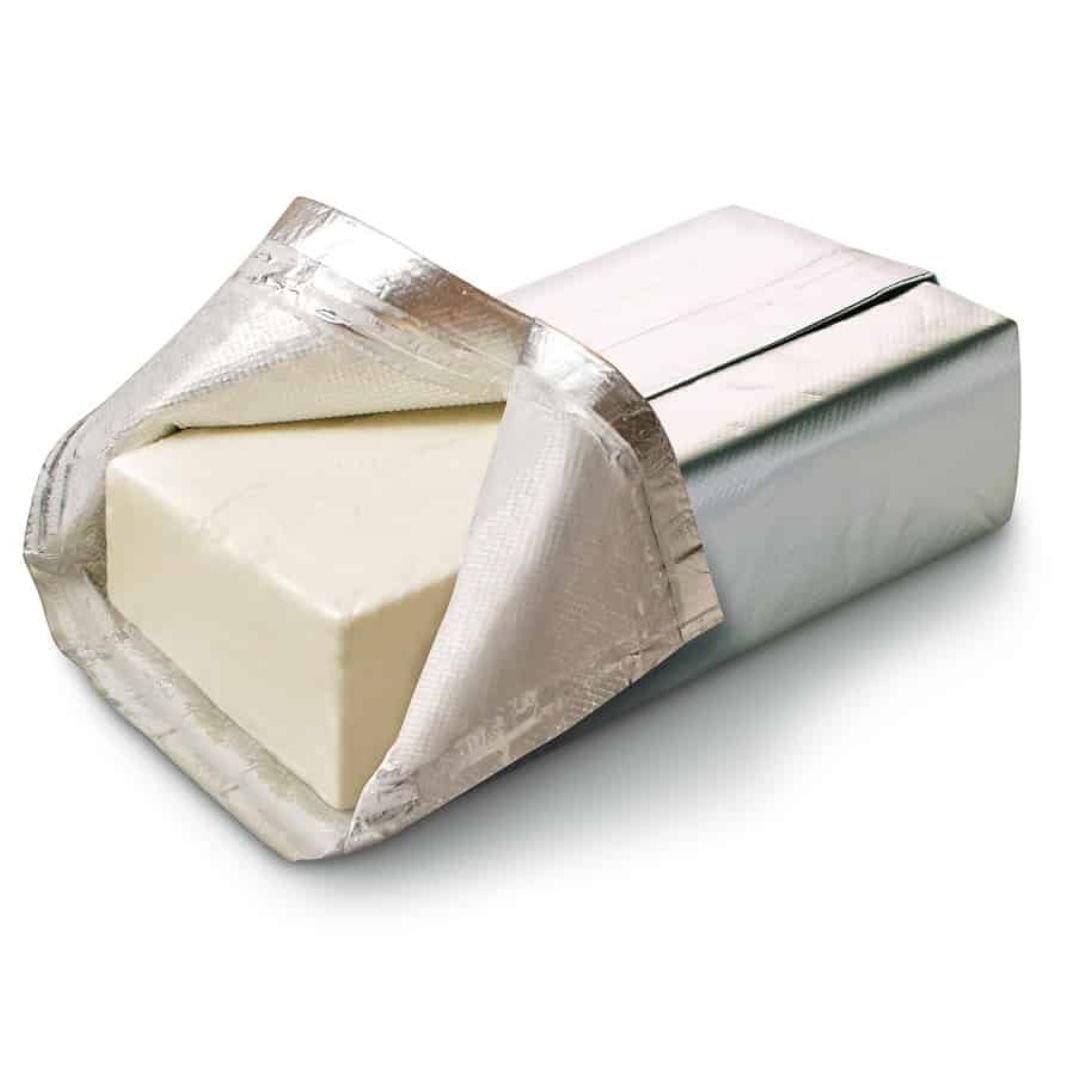
Direct Answer: Opened cream cheese stays good for about 10 days in the fridge at 4°C (40°F) or below. Keep it tightly wrapped, and always check for a sour smell, yellow tinge, or mold before eating. When in doubt, throw it out.
Cream cheese is one of those fridge staples that seems to last forever — until one day you open it and wonder, “How long has this been in here?” Whether you bought it for bagels, baking, or a creamy pasta sauce, knowing how long cream cheese stays safe after opening saves you from both waste and a nasty stomach upset.
In this guide, we break down exactly how long cream cheese lasts once opened, the signs it has gone bad, smart storage tips to stretch its life, and whether freezing is worth it.
How Long Does Opened Cream Cheese Last?
Here is the simple breakdown:
- Opened cream cheese (in the fridge): about 10 days
- Unopened cream cheese (in the fridge): until the “best before” date on the pack, often 1–2 months past purchase
- Cream cheese (in the freezer): up to 2 months (texture changes, but it stays safe)
- Cream cheese left out at room temperature: no more than 2 hours — then it must go back in the fridge or be thrown away
The “best before” date on an unopened pack is about quality, not safety. But once you break the foil seal, the clock starts. Air, moisture, and bacteria from knives or fingers speed up spoilage.
How to Tell If Cream Cheese Has Gone Bad
Trust your senses. Cream cheese gives clear warning signs when it turns:
1. Sour or off smell
Fresh cream cheese smells mild and slightly tangy. If it smells sour, sharp, or just “wrong,” it has turned.
2. Yellow or discolored patches
Fresh cream cheese is bright white. Yellow spots or an overall yellowish tint mean it is past its prime.
3. Mold
Any green, blue, or black spots mean the whole tub must go. Unlike hard cheese, you cannot just cut mold off soft cheese — the mold’s roots spread through the entire product.
4. Slimy or grainy texture
If the surface feels slimy or the texture has turned grainy and watery, it is time to bin it.
5. Bitter or sharp taste
A small taste test is the last check. If it tastes bitter or overly sharp instead of mild and creamy, throw it away.
Storage Tips to Make Cream Cheese Last Longer
Good storage can help you get the full 10 days — or close to it:
- Keep it in the coldest part of the fridge. The door is the warmest spot. Store cream cheese toward the back of a middle or lower shelf, where the temperature stays steady at 4°C or below.
- Wrap it airtight. Press cling film directly against the surface, then put it in a sealed container or zip-lock bag. Less air means slower spoilage.
- Use a clean knife every time. Crumbs and bacteria from a used knife are the fastest way to spoil a fresh tub. Take what you need with a clean utensil, then reseal.
- Don’t leave it out. Soft cheese should not sit at room temperature for more than 2 hours. If you softened it for a recipe, use it or refrigerate it promptly.
- Buy smaller packs if you waste a lot. If you rarely finish a full 200g tub, the small single-serve portions save money in the long run.
Can You Freeze Cream Cheese?
Yes — cream cheese is safe to freeze for up to 2 months. But there is a catch: freezing changes the texture. Thawed cream cheese turns crumbly and a bit watery, so it is not great for spreading on a bagel.
It works perfectly fine, though, in cooked dishes like:
- Pasta sauces and creamy soups
- Casseroles and baked dips
- Cheesecake filling (mixed with other ingredients)
How to freeze it: Wrap the unopened pack (or a tightly wrapped portion) in foil, then place it in a freezer bag. Squeeze out the air, label it with the date, and freeze. Thaw it overnight in the fridge, and stir well before using.
Common Mistakes That Spoil Cream Cheese Faster
- Storing it in the fridge door. The door is the warmest, most temperature-variable spot. Move it to a back shelf.
- Double-dipping with a used knife. Every crumb introduces bacteria. Always use a clean knife.
- Leaving the foil half-open. Air dries out the surface and invites mold. Reseal tightly every time.
- Ignoring the 2-hour rule. Cream cheese left on the counter during a long brunch needs to go back in the fridge — or in the bin.
FAQs
Can you eat cream cheese after the best-before date?
If it is unopened and has been kept refrigerated, it is often fine for a week or two past the date — check the smell, color, and texture first. Once opened, follow the 10-day rule regardless of the date.
What happens if you eat expired cream cheese?
Mildly old cream cheese may just taste off. But spoiled dairy can cause food poisoning — nausea, cramps, and diarrhea. If it shows any spoilage signs, do not risk it.
Does low-fat cream cheese last longer?
No — low-fat and fat-free versions actually spoil a little faster because they contain more water and less fat to protect them. Treat them the same or slightly more carefully.
Can you use cream cheese past 10 days if it looks fine?
Use your judgment, but be cautious. Bacteria are not always visible. If it is day 12, smells fine, and looks normal, most people would still use it in a cooked dish — but never serve questionable dairy to children, pregnant women, or anyone with a weak immune system.
How do you soften cream cheese quickly?
Cut it into cubes and leave it on the counter for 20–30 minutes. Do not microwave it — that creates hot spots and a runny mess. For more on softening dairy fast, see our guide on how to soften butter quickly.
Is cream cheese safe during pregnancy?
Most supermarket cream cheese is made from pasteurized milk, which is safe during pregnancy. Check the label for “pasteurized.” If you want more pregnancy-safe food tips, read our guide on foods to avoid during pregnancy.
The Bottom Line
Opened cream cheese lasts about 10 days in the fridge when stored properly — wrapped airtight, kept cold, and handled with clean utensils. Watch for sour smells, yellowing, mold, or slimy texture, and freeze what you cannot finish in time. A little care goes a long way toward zero waste and zero worry.
For more food storage guides, check out our articles on how long deli meat lasts in the fridge and FoodSafety.gov’s cold storage chart. The USDA Food Safety and Inspection Service also publishes detailed guidance on safe dairy storage temperatures.