
How do I measure myself correctly for online shopping
Let me guess: you asked how do I measure myself correctly for online shopping because something isn’t working — an outfit that felt off, a purchase you regret, or a closet that stresses you out. I’ve made all of those mistakes, which is exactly why I can help you skip them. measuring myself correctly for online shopping gets simple once someone explains the logic behind it, and that’s what we’re doing here. No snobbery, no brand worship, just what works.
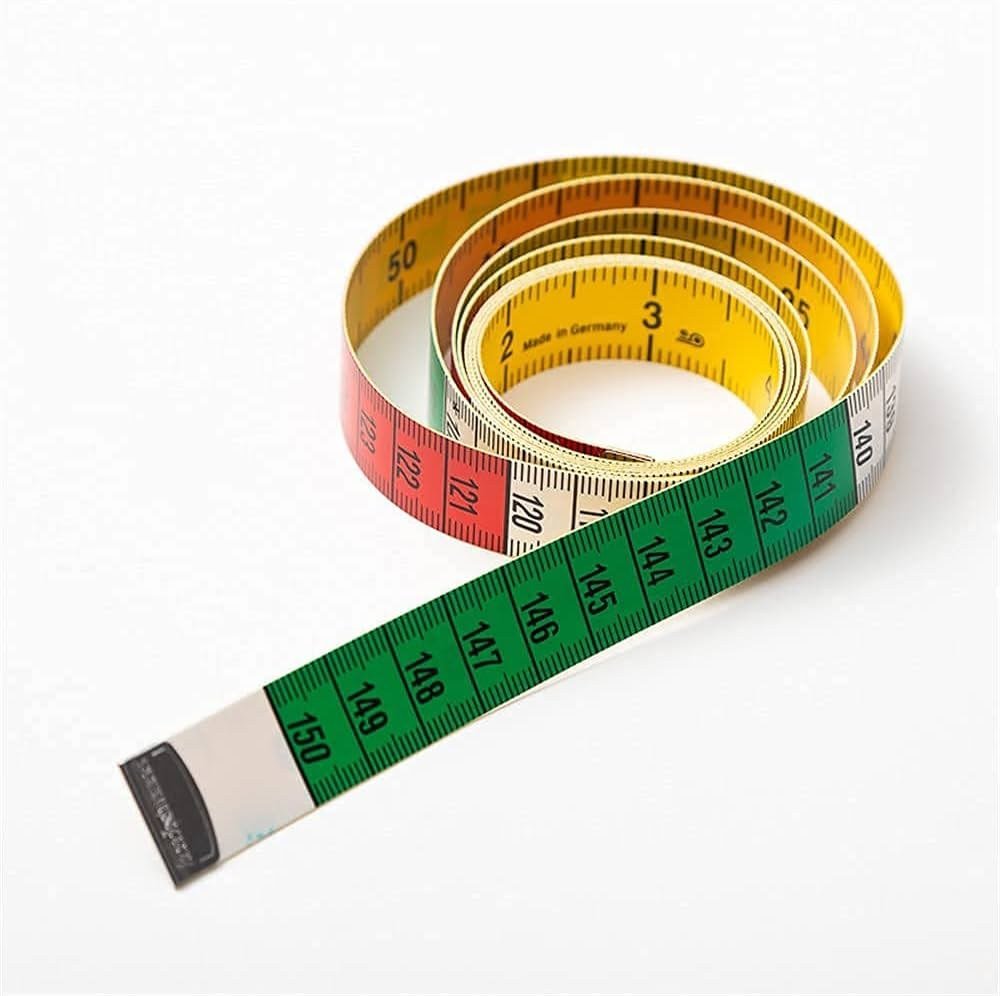
Online shopping returns are an epidemic — something like a third of all online clothing orders come back, mostly for fit. I've contributed to that statistic plenty, ordering my "usual size" across brands as if sizes meant the same thing everywhere. They don't; vanity sizing has made the numbers meaningless. The fix takes five minutes and a $3 tape measure: your actual measurements. It's the closest thing to a fitting room the internet offers, and almost nobody does it.
How do I measure myself correctly for online shopping, Explained Without the Fluff
The measurements that matter, and how to take them correctly. Bust/chest: measure around the fullest part, tape level all around, breathing normally — not holding your breath, not cinched. Waist: the natural waistline (narrowest point, usually near the navel) — not where your pants sit. Hips: around the fullest point of your hips and butt, feet together. Inseam: from the crotch to the ankle bone (or measure well-fitting pants instead — easier and accurate). Shoulders: seam to seam across the back. Neck and sleeve for dress shirts. The rules that make it work: measure over thin clothing or undergarments, not bulky clothes; keep the tape snug but not tight — you should be able to slip a finger under it; stand naturally (no sucking in — the clothes have to fit the real you); and write everything down in your phone, in both inches and centimeters. Then the crucial step: compare against each brand's size chart, every time — your measurements are constant, but a medium at one brand is a small at another. Pro tip: when between sizes, size up for woven fabrics (no stretch to forgive) and consider sizing down for knits with heavy stretch. Keep a note of which brands run large or small as you learn.
Before the how, let’s talk about the why — because understanding the logic makes every decision about measuring myself correctly for online shopping ten times easier. Clothes are communication: they tell the room how seriously to take you before you’ve said a word. That’s not vanity, it’s just how humans work. The goal here isn’t to impress strangers; it’s to make sure what you’re wearing supports the impression you actually want to make.
If you want a second opinion from an authoritative source as you go, Who What Wear on measuring yourself and GQ on taking your measurements are both solid places to cross-check what you read here.
The Logic Behind Measuring myself correctly for online shopping
This isn’t just my opinion — the logic behind measuring myself correctly for online shopping is well documented by people who study clothing and consumer behavior for a living. Wardrobe analyses consistently show most people wear a small fraction of what they own, and that fit and versatility predict satisfaction far better than price or brand. The data backs up what stylish minimalists have been saying for years: fewer, better, more intentional.
For a related angle, our guide to How do I start a book club with friends that actually meets pairs well with what you’re learning here — the two topics overlap more than most people realize.
Your Practical Game Plan
- Measure over undergarments, standing naturally — no sucking in.
- Write measurements in your phone in inches AND centimeters.
- Check every brand's size chart, every time — sizes aren't standardized.
- Between sizes? Size up in wovens, down in stretchy knits.
- Track which brands run large/small — your personal cheat sheet.
Mistakes That Undermine Most People
Chasing trends instead of building a foundation
Trends are fun, but they're rented excitement — here today, embarrassing in photos by next year. I've wasted real money learning this. For measuring myself correctly for online shopping, get the timeless core right first, then sprinkle in one or two trendy pieces if you genuinely love them. The foundation is what people actually notice.
Buying for a fantasy life instead of your real one
We've all done it: the blazer for the job you don't have, the heels for events you never attend. When it comes to measuring myself correctly for online shopping, the fantasy purchases are the ones that sit with tags on. Audit honestly — what does your actual week look like? Buy for that person. Your real life deserves to look good too.
Assuming expensive means better
Price and quality correlate loosely at best. I've owned $20 basics that outlasted $200 disappointments. For measuring myself correctly for online shopping, learn to check seams, fabric content, and construction instead of price tags. Your wallet will thank you, and honestly, so will your style — nothing looks cheaper than an overpriced, poorly made item.
Shopping without a plan
Walking into a store (or opening an app) with no plan is how you end up with five tops and no bottoms. Before spending anything on measuring myself correctly for online shopping, make a short list of actual gaps. Planned purchases get worn; impulse purchases get donated. The list takes five minutes and saves hundreds.
What To Do This Week
Here’s your practical takeaway on measuring myself correctly for online shopping: style is a skill, not a shopping spree. Start with what you own — try the combinations, notice what feels right, and only buy to fill genuine gaps. Pick one idea from this guide and test it this week. In my experience, the people who look best aren’t the ones with the most clothes; they’re the ones who know exactly why everything in their closet is there.
One more resource worth bookmarking: What are fun things to do on a date that do not cost much covers adjacent ground that’ll reinforce everything above.
A note of caution: A $3 tape measure is the highest-ROI fashion purchase you'll ever make; spend the savings on tailoring, not returns shipping.
Quick Answers To Common Questions
How do I know if measuring myself correctly for online shopping advice actually suits me?
Try it for a week and pay attention to two things: compliments (or at least the absence of that nagging "this feels off" sensation) and how you feel wearing it. Advice is a starting point, not law. Your lifestyle, your body, and your taste get the final vote. The goal of any guide — including this one — is to give you tools to develop your own judgment, not to dress you by remote control.
Does measuring myself correctly for online shopping work on a tight budget?
Absolutely — some of the best-dressed people I know spend very little. Thrift stores, end-of-season sales, and simple tailoring on cheap pieces are the budget playbook. The secret is that measuring myself correctly for online shopping is mostly about decisions, not dollars: fit, color, proportion, and intention cost nothing. Money helps at the margins; judgment does the heavy lifting.