
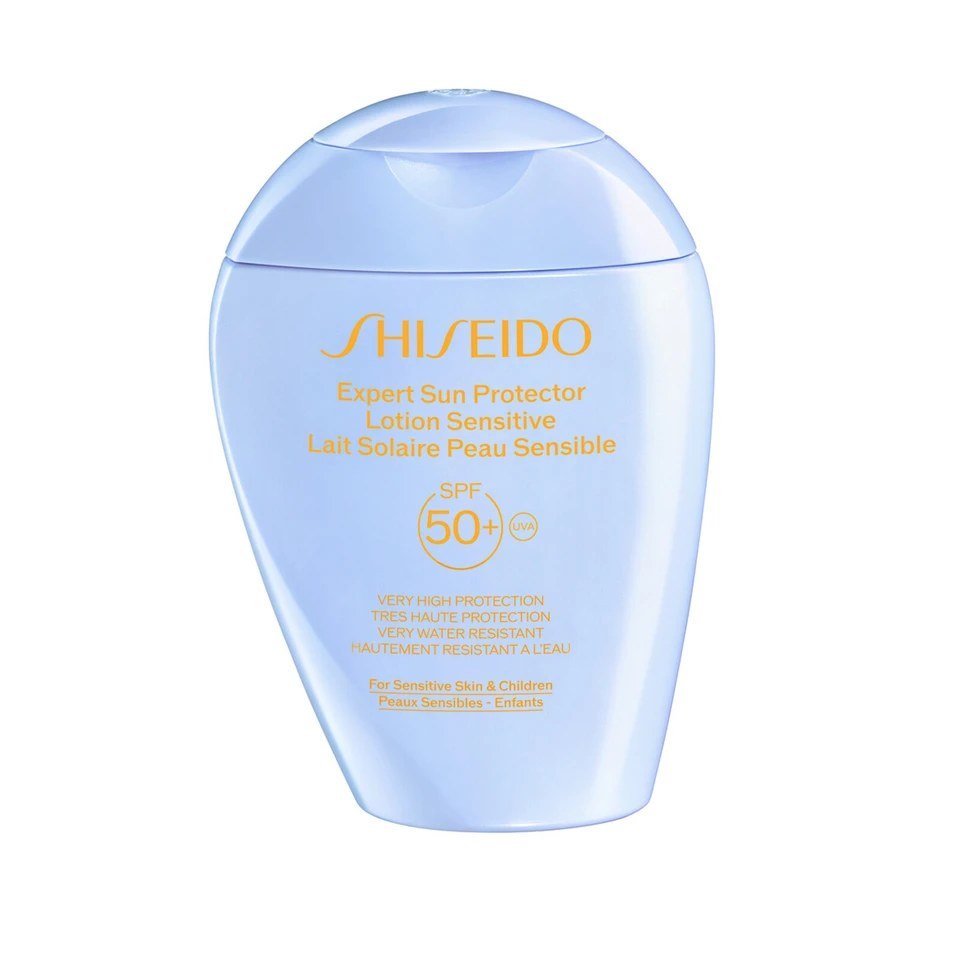
How do I choose the right sunscreen for sensitive skin
Quick confession: I used to overcomplicate choosing the right sunscreen for sensitive skin too. I’d read five articles, make a color-coded plan, follow it for four days, and quit. Sound familiar? The breakthrough came when I stopped chasing the perfect approach and started chasing the repeatable one. If you’re asking how do I choose the right sunscreen for sensitive skin, the answer that will actually change things for you is probably simpler than you expect — and this guide is built around that idea.
If you have sensitive skin, sunscreen shopping feels like choosing which kind of regret you prefer: the chemical filters that sting and redden, or the mineral ones that leave you looking like a ghost. I've watched friends with reactive skin give up on sunscreen entirely — which is the worst outcome, since unprotected sensitive skin burns faster and ages faster. The truth is that sensitive skin just needs a more deliberate selection process, not sunscreen abstinence. The right formula is out there; you just have to know what to look for.
How do I choose the right sunscreen for sensitive skin — What Actually Works
For sensitive skin, mineral (physical) sunscreens with zinc oxide and/or titanium dioxide are usually the safest bet — they sit on top of skin rather than absorbing into it, which means far less stinging and reaction. Look for these on the label: "fragrance-free" (not just "unscented" — unscented products can still contain masking fragrance), minimal ingredient lists, no oxybenzone or avobenzone if those irritate you, and SPF 30 to 50 (above 50 adds negligible protection). Patch-test on your jawline for 24 hours before full-face application. Application matters as much as formula: a nickel-sized amount for the face, applied 15 minutes before sun exposure, reapplied every two hours outdoors (and after swimming or heavy sweating). For the white-cast problem with mineral formulas, tinted versions solve it elegantly for most skin tones. And remember: sunscreen is the last step of defense — shade, hats, and sunglasses do heavy lifting too, especially for reactive skin.
Let’s zoom out for a second, because context makes everything about choosing the right sunscreen for sensitive skin easier. Most health struggles aren’t information problems — they’re friction problems. You probably already know, roughly, what you “should” do. The gap is between knowing and doing, and that gap is almost always about making the right choice the easy choice. Keep that in mind as we go: every suggestion here is designed to lower friction, not raise the bar.
If you want a second opinion from an authoritative source as you go, the American Academy of Dermatology on choosing sunscreen and the Environmental Working Group's sunscreen guide are both solid places to cross-check what you read here.
What's Really Going On With Choosing the right sunscreen for sensitive skin
You don’t have to take my word for any of this. The fundamentals behind choosing the right sunscreen for sensitive skin are some of the most replicated findings in health science: consistent moderate habits outperform sporadic intense ones, sleep underpins nearly everything, and small sustained changes beat dramatic overhauls. Boring? Completely. But boring is what the evidence keeps pointing to, year after year.
For a related angle, our guide to Will AI customer service ever feel truly human pairs well with what you’re learning here — the two topics overlap more than most people realize.
Your Simple, Sustainable Plan
- Choose mineral (zinc oxide) formulas — they're the gentlest for reactive skin.
- "Fragrance-free" is the label that matters; "unscented" can mislead.
- Patch-test on your jaw for 24 hours before trusting a new formula.
- Tinted mineral sunscreens solve the white-cast problem beautifully.
- Reapply every 2 hours outdoors — even the gentlest formula fails if it wears off.
Mistakes That Sabotage Most People
Trusting the loudest voice instead of the most boring one
The boring advice — sleep enough, move daily, eat mostly whole foods — doesn't get clicks, so it gets drowned out by exotic protocols and miracle products. When it comes to choosing the right sunscreen for sensitive skin, the unsexy fundamentals outperform the exciting hacks roughly 100% of the time. If someone's answer requires you to buy their thing, be skeptical.
Going from zero to everything overnight
This is the classic. Someone decides to work on choosing the right sunscreen for sensitive skin and attempts a total life overhaul on Monday — new diet, new workout, new sleep schedule, new supplements. By Thursday they're exhausted and done. I've watched this cycle more times than I can count, and it never works. Pick one change. Master it. Then add the next.
Treating discomfort as a stop sign instead of a signal
Some discomfort with choosing the right sunscreen for sensitive skin is information, not danger — the burn of effort, the awkwardness of a new habit. But sharp pain, dizziness, or anything that feels genuinely wrong is different. Learning to tell productive discomfort from warning signs is a skill worth developing, and when in doubt, check with a professional.
Comparing your chapter one to someone else's chapter twenty
Social media shows you the highlight reel: the transformation photos, the perfect routines, the effortless results. What you don't see is the years, the genetics, the lighting, and occasionally the filters. Your journey with choosing the right sunscreen for sensitive skin only has to beat your own yesterday, not someone's curated feed.
What To Do This Week
The unsexy truth about choosing the right sunscreen for sensitive skin is that the answer was never hidden — it was just buried under marketing. Sleep, move, eat like an adult, manage stress, and give it time. Start with whichever piece feels most broken in your life right now, fix that one thing, and let the momentum carry you. You’ve got this, and your future self will thank you for starting today instead of “someday.”
One more resource worth bookmarking: How do I find jeans that actually fit my body type covers adjacent ground that’ll reinforce everything above.
A note of caution: See a dermatologist if sunscreens consistently cause rashes, hives, or swelling — you may have a specific filter allergy worth identifying — or if you notice changing moles, since sun protection and skin monitoring go together.
Quick Answers To Common Questions
Is choosing the right sunscreen for sensitive skin different for beginners versus experienced people?
The principles are the same; only the details change. Beginners should focus on consistency and basics — the fancy stuff is a distraction until the foundation is automatic. Experienced folks can layer on nuance. Wherever you are, the rule holds: do the simple thing reliably before adding complexity. Most people overestimate what they need and underestimate what consistency delivers.
Do I need any special equipment or products for choosing the right sunscreen for sensitive skin?
No — and be suspicious of anyone who says otherwise. Everything in this guide works with what you already have: your body, your kitchen, your bed, and maybe a notebook. There are products that can make things marginally more convenient, but none of them are required. Master the free fundamentals first; spend money later only on things that solve a specific, real friction you've actually experienced.