
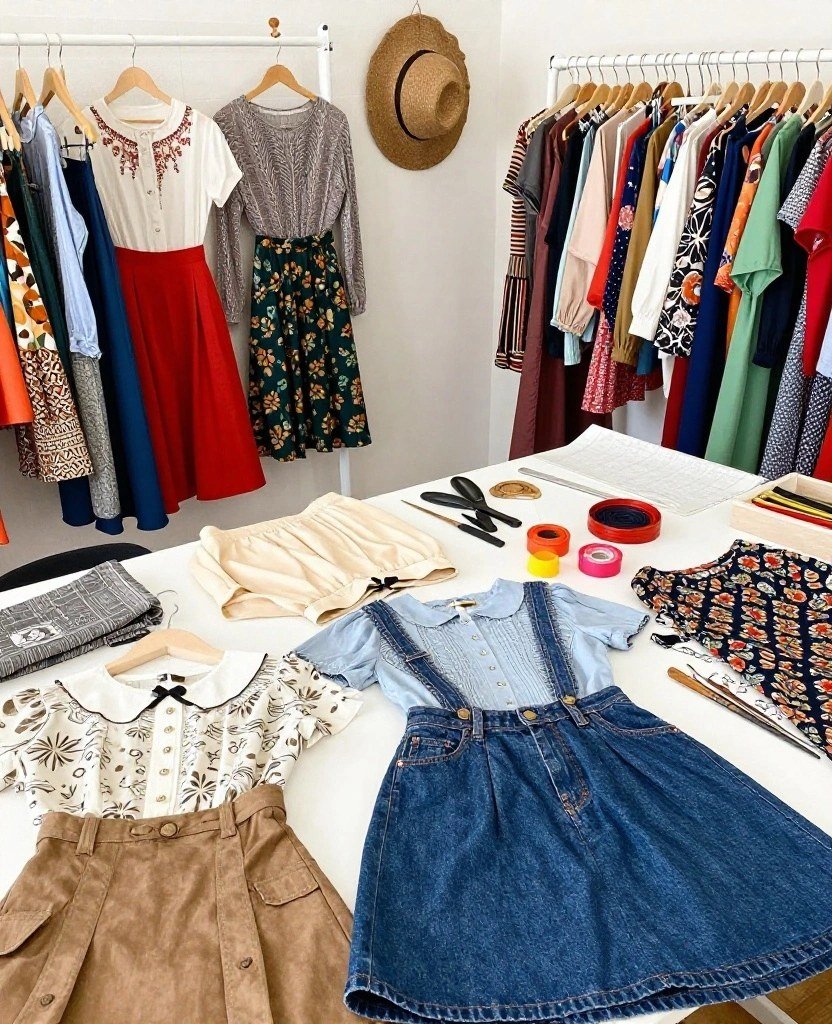
How can I make old clothes look new again
The best-dressed people I know aren’t the ones who spend the most — they’re the ones who’ve figured out what actually works for them. If how can I make old clothes look new again has been on your mind, you’re asking exactly the right question, and the honest answer is more learnable than it looks. This guide breaks making old clothes look new again down into decisions you can make today, with your current closet and your current budget.
Every closet has them: the sad pile of clothes that aren't quite dead but aren't quite wearable — the faded black tee, the pilled sweater, the jeans with the mysterious stain. Most people eventually donate or trash them, which is a shame, because the gap between "sad" and "great" is usually about twenty minutes of effort. I've revived pieces I was ready to give up on, and the satisfaction of wearing something you rescued beats buying new. Making old clothes look new is part skill, part mindset shift: stop seeing wear as the end, and start seeing it as maintenance you skipped.
How can I make old clothes look new again — What Actually Works
Work through the revival checklist by problem. Faded blacks and darks: a dye refresh (Rit or similar, $5) restores them dramatically — wash first, dye in hot water, and they'll look nearly new. Pilling: a $10 fabric shaver removes pills in minutes and is the single highest-impact tool for sweaters and knits. Wrinkles and lost shape: a proper steam or iron, plus reshaping knits while damp, recovers structure. Stains: treat with dish soap or oxygen-based stain remover before washing (never put a stained item in the dryer — heat sets stains permanently). Loose buttons, small holes, fallen hems: basic hand-sewing takes ten minutes to learn from a video and saves countless garments. Dingy whites: soak in oxygen bleach, not chlorine, which yellows over time. Beyond repair: tailor it (taking in, hemming, or cropping can modernize a dated piece), dye it a new color entirely, or cut it into cleaning rags — even the end of life can be useful. The mindset that saves the most money: maintain as you go — de-pill monthly, treat stains immediately, store knits folded — and clothes last years longer.
Before the how, let’s talk about the why — because understanding the logic makes every decision about making old clothes look new again ten times easier. Clothes are communication: they tell the room how seriously to take you before you’ve said a word. That’s not vanity, it’s just how humans work. The goal here isn’t to impress strangers; it’s to make sure what you’re wearing supports the impression you actually want to make.
If you want a second opinion from an authoritative source as you go, Good Housekeeping's clothing care guides and The Spruce on clothing repair basics are both solid places to cross-check what you read here.
The Logic Behind Making old clothes look new again
Fashion editors and stylists tend to converge on the same principles for making old clothes look new again, and it’s not a coincidence. When professionals who dress people for a living keep repeating the same advice — fit first, build a versatile core, buy for your real life — it’s because it works across bodies, budgets, and decades. Trends are the decoration; these principles are the structure.
For a related angle, our guide to What should I do if my flight gets canceled at the airport pairs well with what you’re learning here — the two topics overlap more than most people realize.
Your Practical Game Plan
- A $10 fabric shaver is the best clothing investment most people never make.
- Never machine-dry a stained item — heat sets stains permanently.
- Dye faded darks; $5 of dye beats $40 of replacement.
- Learn three hand stitches from one video; it saves dozens of garments.
- De-pill and treat stains monthly — maintenance beats rescue.
Mistakes That Undermine Most People
Keeping clothes that make you feel bad
If you put it on and immediately want to change, it's not serving you — no matter what you paid for it. I finally donated the "someday" pile last year and my mornings got measurably better. making old clothes look new again gets easier the moment your closet stops containing landmines.
Ignoring fit and hoping nobody notices
Everyone notices. A $40 shirt that fits perfectly looks better than a $400 shirt that doesn't — this is the single highest-leverage truth in dressing well. Fit is the difference between "put together" and "wearing clothes." When in doubt, size for your largest measurement and tailor the rest.
Chasing trends instead of building a foundation
Trends are fun, but they're rented excitement — here today, embarrassing in photos by next year. I've wasted real money learning this. For making old clothes look new again, get the timeless core right first, then sprinkle in one or two trendy pieces if you genuinely love them. The foundation is what people actually notice.
Buying for a fantasy life instead of your real one
We've all done it: the blazer for the job you don't have, the heels for events you never attend. When it comes to making old clothes look new again, the fantasy purchases are the ones that sit with tags on. Audit honestly — what does your actual week look like? Buy for that person. Your real life deserves to look good too.
What To Do This Week
Here’s your practical takeaway on making old clothes look new again: style is a skill, not a shopping spree. Start with what you own — try the combinations, notice what feels right, and only buy to fill genuine gaps. Pick one idea from this guide and test it this week. In my experience, the people who look best aren’t the ones with the most clothes; they’re the ones who know exactly why everything in their closet is there.
One more resource worth bookmarking: How much should I tip at restaurants in Europe covers adjacent ground that’ll reinforce everything above.
A note of caution: Revive quality pieces (good fabric, good fit); don't pour effort into fast-fashion items that were designed to be disposable — replace those thoughtfully instead.
Quick Answers To Common Questions
What if my body type makes making old clothes look new again harder?
Clothes are made for average proportions that almost nobody actually has — so nearly everyone needs adjustments. That's normal, not a flaw. The fix is the same regardless: learn which cuts work for your shape, size for your largest measurement, and budget a little for tailoring. Off-the-rack is a starting point, not a verdict. The best-dressed people in any room are usually the ones who've figured out their own fit formula.
How much should I budget for making old clothes look new again?
Less than you think. The biggest wins in making old clothes look new again are free: better combinations of what you own, better fit awareness, and clearing out what doesn't work. When you do spend, put money toward high-rotation items — the things you'll wear weekly — and go cheap on trendy or occasional pieces. A focused $100 spent on real gaps beats $500 of impulse buys every time.