
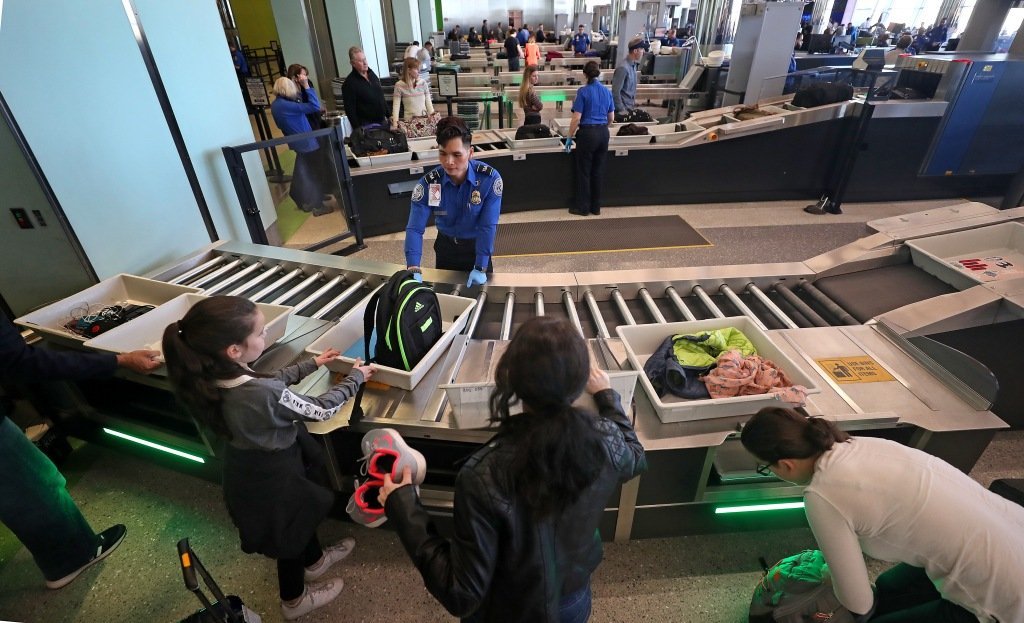
Can I Bring Snacks Through TSA Security Checkpoints? Rules Explained
I’ve watched a TSA officer toss someone’s expensive jar of artisanal salsa into a bin, and the look on that traveler’s face stays with me. They had no idea. So let’s settle it: can I bring snacks through TSA security checkpoints? Yes — mostly. Solid snacks are completely fine. The confusion comes from the liquids rule, which quietly swallows up a surprising number of foods. Here’s exactly what gets through and what doesn’t.
The Simple Rule: Solid Yes, Liquid-ish No
TSA’s rule for food follows the same 3-1-1 liquids logic as everything else. Solid foods can fly in any quantity — in your carry-on, in your personal item, stuffed in your jacket pocket if you want. Spreads, dips, sauces, and anything pourable or spreadable counts as a liquid or gel and is limited to 3.4 ounces (100ml) per container in your quart bag.
So to directly answer can you bring snacks through TSA security checkpoints: granola bars, chips, candy, sandwiches, fruit, crackers, cookies, nuts, dried fruit, jerky, muffins, bagels — all fine, no limits. Hummus, peanut butter, salsa, yogurt, jam, pudding, creamy dips — limited to 3.4 oz containers. That jar of salsa? It was over the limit. Into the bin it went.
Can I Bring Snacks Through Tsa Security Checkpoints?
- Granola, protein, and cereal bars — the undisputed champions of travel snacks
- Sandwiches and wraps — yes, even a full footlong; TSA doesn’t care
- Whole fruit — apples, bananas, oranges. (Note: on international flights, you generally can’t bring fresh fruit into another country — eat it before landing.)
- Chips, crackers, pretzels, popcorn — all good
- Candy and chocolate — fine, though chocolate melts in your bag in summer
- Nuts, trail mix, dried fruit — calorie-dense, perfect for long flights
- Beef jerky and dried meats — fine domestically; international rules vary
- Baked goods — muffins, cookies, bagels, donuts, all clear
- Baby food and formula — allowed in reasonable quantities, exempt from 3-1-1, but declare them for separate screening
Foods That Get Flagged (the Tricky List)
This is where travelers get burned. These count as liquids/gels under TSA rules:
- Peanut butter and other nut butters — TSA has explicitly confirmed these count as liquids. The 3.4 oz rule applies. Yes, really.
- Hummus, guacamole, salsa, dips — over 3.4 oz gets confiscated
- Yogurt, pudding, applesauce cups — the large ones, not the small single-serve cups under 3.4 oz
- Jam, jelly, honey, syrup — same deal
- Soups and stews — liquid, obviously, but people try
- Canned foods — the liquid inside counts; also, cans look alarming on the X-ray and will get your bag pulled aside
- Fresh eggs — technically allowed, but why would you do this to yourself
The TSA’s official “What Can I Bring?” food guide is the definitive reference — when in doubt, check it before you pack.
Do Snacks Need to Come Out of Your Bag?
Food doesn’t have a dedicated bin rule like laptops do, but TSA officers can ask you to separate food items for clearer X-ray screening. Dense, organic masses — looking at you, giant block of cheese and brick of dates — can look suspicious on the scanner. If your bag gets flagged, they’ll just swab it and send you on your way. Putting snacks in an easily accessible pouch speeds things up.
One more screening note: frozen items are allowed if completely frozen solid. A frozen water bottle or frozen meal is fine as long as there’s no slush. Partially melted? It becomes a liquid and the 3.4 oz rule kicks in. I’ve seen this ruin someone’s carefully frozen meal prep.
International Flights: Extra Rules Apply
TSA gets you out of the US, but every destination has its own agricultural rules on the way in. The big ones:
- Fresh fruit, vegetables, and meats are restricted or banned in many countries (Australia and New Zealand are famously strict — fines are steep).
- Declare everything on your customs form. The penalty for undeclared food is far worse than just losing the food.
- Packaged, sealed snacks (granola bars, candy, chips) are almost universally fine.
- When in doubt, eat it on the plane. Your stomach is the ultimate customs loophole.
The US Customs guidance on agricultural items covers what you can bring back into the US too — relevant for the return leg when you’re tempted to smuggle home that amazing cheese.
Smart Snack Packing Strategy
After years of flying, here’s my system: I pack a dedicated snack pouch with a mix of protein (jerky, nuts, protein bars), carbs (crackers, dried fruit), and one treat (chocolate). It lives at the top of my personal item for easy access during the flight. Airport food is overpriced and airplane food is… airplane food. A $6 investment in snacks beats a $18 sad airport sandwich every time.
For long-haul flights, add something substantial — a hearty sandwich or wrap. And bring an empty water bottle through security, then fill it at a fountain. You’ll save money and stay hydrated, which matters more than people realize at altitude.
Snacks for Kids, Allergies, and Special Diets
Traveling with kids or dietary restrictions makes snack planning even more important. Baby formula, breast milk, and baby food are exempt from the 3-1-1 rule in reasonable quantities — just declare them for separate screening. For allergies, pack safe snacks from home rather than gambling on airport options; labeling is inconsistent and cross-contact is common in airport kitchens. If you have diabetes or another condition requiring food access, TSA allows medically necessary foods and even ice packs (frozen solid) — mention it to the officer upfront. A little planning here prevents a lot of stress at 30,000 feet.
The Takeaway
Can you bring snacks through TSA security checkpoints? Absolutely — solid snacks in any amount, and spreadable or liquid foods in 3.4 oz containers. The salsa tragedy is entirely avoidable once you know the rule: if you can spread it, spill it, or pour it, it’s a liquid.
Pack smart, check the TSA food guide when unsure, and eat your fresh fruit before landing internationally. Now go enjoy those snacks at 35,000 feet — you’ve earned them. And if you’re planning the trip itself, our guide to travel cash and premium economy breakdown will help you plan the rest.