
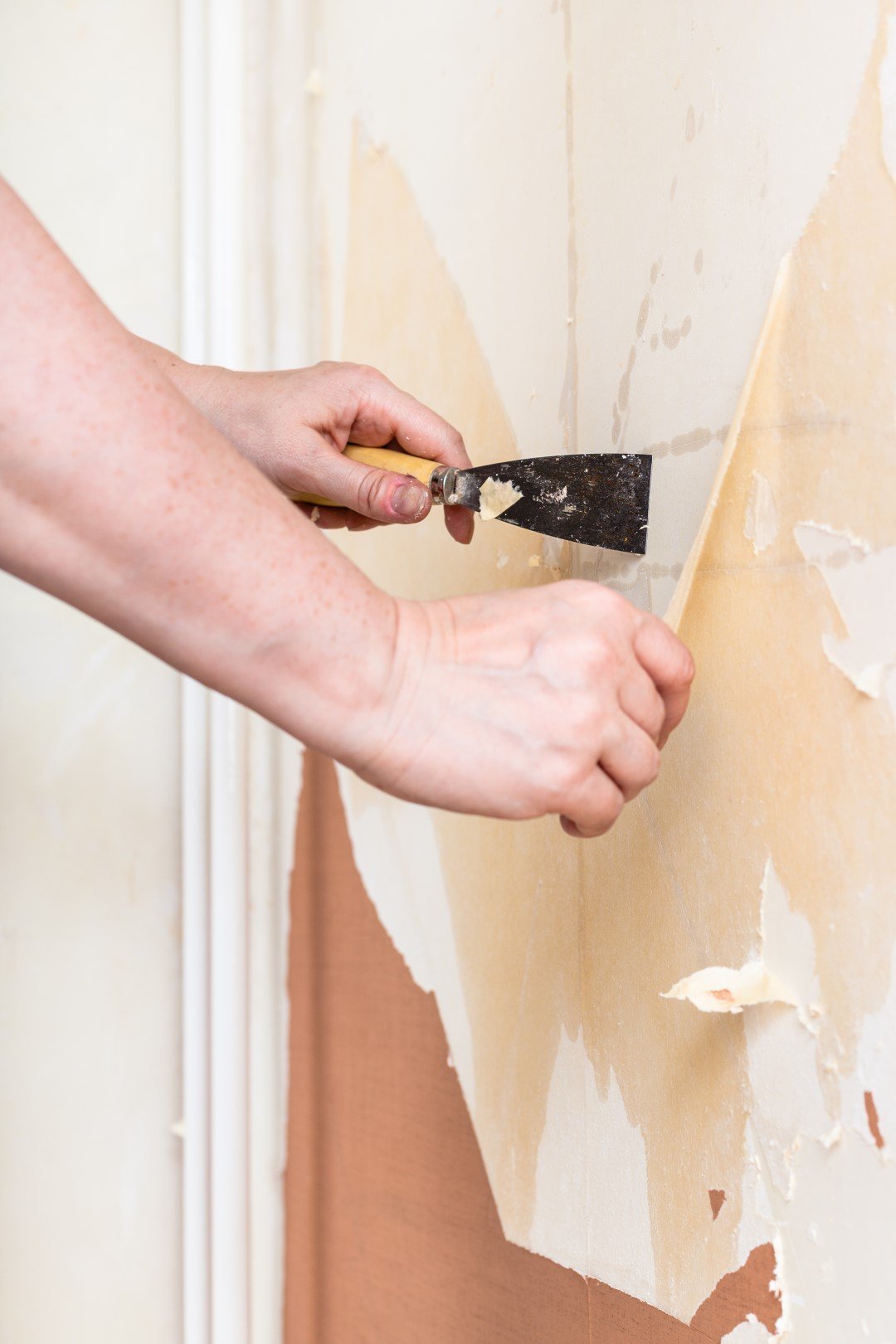
What Is the Best Way to Remove Old Wallpaper?
Under that wallpaper might be beautiful plaster. Or it might be five more layers of wallpaper, each one a time capsule of worse taste. If you’re asking what is the best way to remove old wallpaper, the answer depends on what kind you’re dealing with — but the universal truth is this: steam and patience beat chemicals and force, every time.
What Is The Best Way To Remove Old Wallpaper?
Peel back a corner in an inconspicuous spot and see what happens:
- Strippable wallpaper: peels off in full sheets, leaving minimal residue. The dream scenario. Just pull slowly at a low angle.
- Peelable wallpaper: the top vinyl layer peels off, leaving a paper backing stuck to the wall. Remove the top layer, then deal with the backing (below).
- Traditional/pasted wallpaper: fully adhered to the wall. This is the real project — needs water, steam, or remover solution.
- Painted-over wallpaper: the nightmare tier. Paint seals the paper, blocking moisture. Requires scoring + steam + persistence.
- Multiple layers: remove one layer at a time, outermost first. Each layer gets the same treatment.
Also check the wall underneath: drywall vs. plaster matters. Plaster can take aggressive steaming and scraping. Drywall’s paper facing tears easily when wet — be gentler, and never gouge.
The Tools You’ll Need
- Wallpaper scoring tool ($10–$15) — perforates the surface so moisture can penetrate
- Wallpaper steamer ($50–$70 to buy, ~$30/day to rent) — the single best investment for this job
- 3–4″ putty knife or wallpaper scraper (plastic for drywall, metal for plaster)
- Spray bottle or pump sprayer with hot water
- Drop cloths and painter’s tape
- Sponge and bucket
- Optional: gel wallpaper remover for stubborn spots
The Best Method: Steam (Step by Step)
When people ask what’s the best way to remove old wallpaper, professional paperhangers overwhelmingly say: steam. Here’s the process:
- Prep the room. Remove outlet covers and switch plates, tape over outlets, lay drop cloths. Turn off power to the room at the breaker — you’re about to introduce a lot of moisture near electrical.
- Score the wallpaper (skip for strippable types). Roll the scoring tool in overlapping circles with light pressure — you want perforations, not gouges. On drywall, be especially gentle.
- Steam in sections. Hold the steamer plate against the wall for 10–15 seconds per section. You’ll see the paper start to bubble and loosen.
- Scrape immediately while the section is hot and damp. Work the scraper under an edge and push — the paper should come off in satisfying sheets.
- Work top to bottom in 3-foot-wide sections. Don’t steam the whole wall at once; work in zones you can scrape before they cool.
- Clean the residue. After the paper’s off, sponge the walls with hot water to remove paste residue. This step is critical — paint over old paste and it’ll reactivate and bubble.
A steamer rental pays for itself in saved hours. Chemical removers work, but they’re slower, smellier, and no more effective than steam on most papers.
Dealing With Nightmare Scenarios
- Painted-over wallpaper: score aggressively, steam longer, accept that it’ll come off in small pieces. There’s no shortcut — just persistence. Some pros recommend skimming over it with joint compound instead if the paper is firmly adhered and flat (a legitimate option).
- Wallpaper on unprimed drywall: the paper facing may tear with the wallpaper. Go slow, use minimal moisture, and plan to skim-coat and prime afterward.
- Stubborn backing paper: re-wet it, wait 10 minutes, scrape again. A 50/50 mix of hot water and fabric softener in a spray bottle helps loosen backing (rinse thoroughly afterward).
- Border strips: usually the easiest — score, wet, peel. Often comes off in one satisfying pull.
After Removal: Prepping for Paint
Removal is half the job. Afterward:
- Wash walls thoroughly to remove all paste residue (the “touch test” — walls should feel smooth, not tacky).
- Let walls dry completely (24–48 hours).
- Repair damage: fill gouges and tears with spackle or joint compound, sand smooth.
- Prime with a quality primer — essential, especially over repaired drywall or any residual paste staining. Skipping primer is how you get paint that peels in six months.
- Then paint. Our bedroom painting cost guide covers the DIY process and budget.
The This Old House wallpaper removal guide has excellent visual references if you want to see the techniques in action.
When to Call a Pro (or Cover It Instead)
Consider hiring out if: you have painted-over paper throughout a whole house, the walls are damaged unprimed drywall, or you value your weekends more than the $300–$600 a pro charges per room. And remember the legitimate alternative: if wallpaper is firmly adhered, flat, and in decent shape, you can skim-coat over it with joint compound and paint. Not every wall needs stripping — sometimes burial is the pragmatic choice.
What Is Under There? Reading the Wall
Before committing to full removal, investigate what you’re revealing. Peel a test section in a closet or behind furniture: is the plaster underneath in good shape, or cracked and crumbling? Is there paint under the wallpaper (good — it protected the wall), or is the paper stuck directly to raw drywall (harder removal, more repair afterward)? Multiple layers? Each adds hours. In pre-1978 homes, test for lead paint in layers before disturbing them — a $25 test kit from the hardware store. Knowing what’s underneath lets you decide: full removal, or the legitimate alternative of skim-coating over firmly-adhered paper. Sometimes the bravest DIY decision is not stripping at all.
The Takeaway
What is the best way to remove old wallpaper? Identify the type, score it, steam it off in sections, scrape while hot, and clean every trace of paste before priming and painting. Rent the steamer. Be patient. Protect drywall from excess moisture.
It’s tedious work, but there’s something deeply satisfying about revealing the clean wall underneath — and about never having to look at that floral pattern again. Wall project continuing? See how to patch drywall like a pro for the inevitable repairs.
[…] rush. Give each coat its full dry time and your patch will vanish. Wall work continuing? Our wallpaper removal guide and hanging shelves without studs pair well with fresh […]