
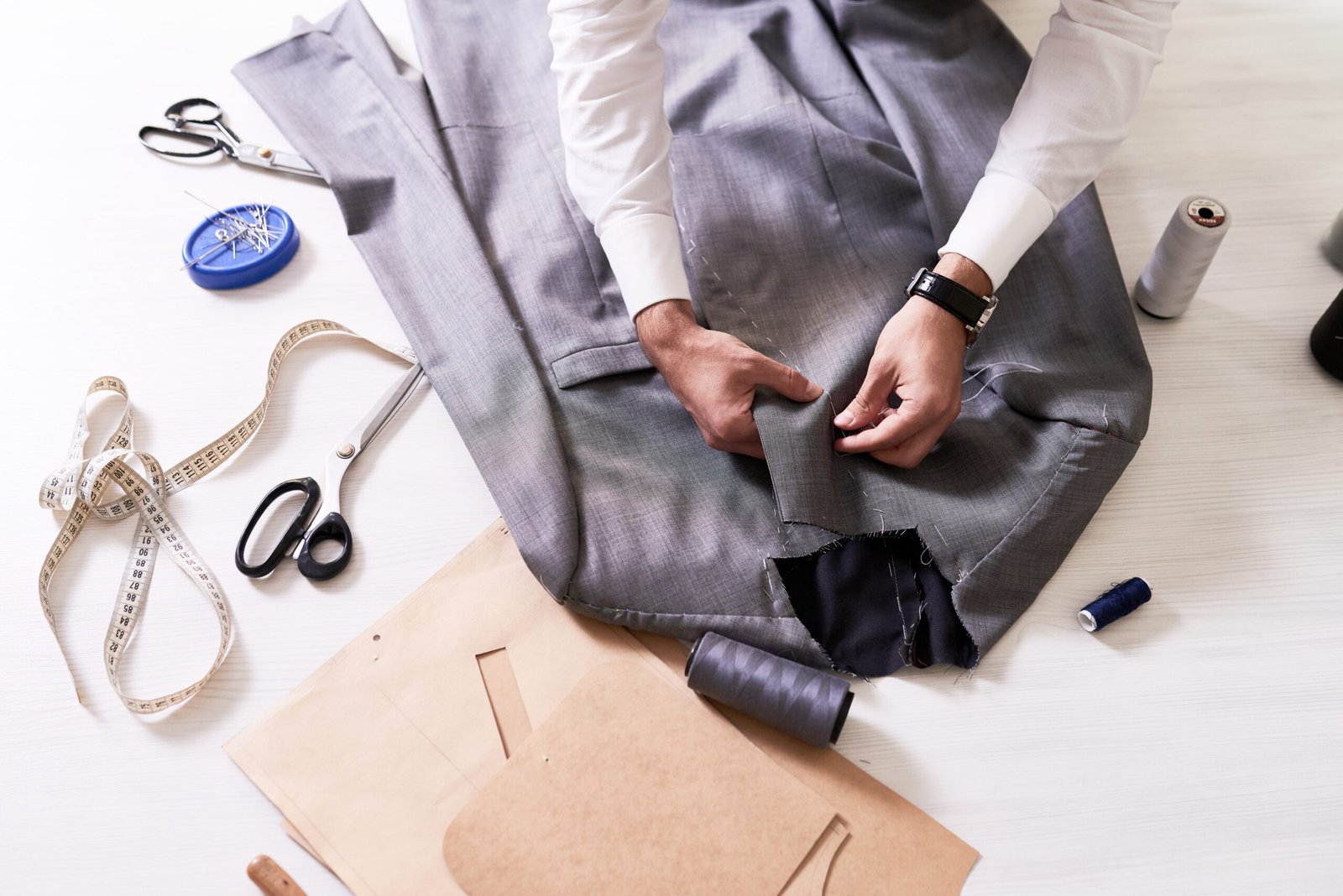
Is it worth getting clothes tailored instead of buying new
I’ll say the quiet part out loud: whether tailoring beats buying new feels way harder than it should. You stand in front of a closet full of clothes and somehow have nothing to wear — I’ve been there more times than I’ll admit. The good news? When people ask is it worth getting clothes tailored instead of buying new, the answer is almost never “spend more money.” It’s usually about a few small decisions that make everything you already own work harder. Let’s get into it.
The tailor is fashion's best-kept open secret: for the price of a takeout dinner, a $30 garment can look like $150. I've had friends transform their entire wardrobe's appearance without buying a single new thing — just alterations. Yet most people have never used a tailor, treating ill-fitting clothes as a fixed problem rather than a $20 fix. The question isn't really whether tailoring beats buying new — it's knowing which alterations are worth it and which garments deserve the investment.
Is it worth getting clothes tailored instead of buying new, Explained Without the Fluff
The math first: basic alterations run $15 to $40 — hemming pants ($15-25), taking in a waist ($20-30), shortening sleeves ($20-35), tapering legs ($25-35). Compare that to replacing the item, and tailoring wins whenever the garment is quality and close to right. What's worth tailoring: anything where the shoulders fit but the body needs shaping (shoulders are the expensive alteration — if they don't fit, pass); quality fabrics and construction (tailoring a $200 coat for $40 is brilliant; tailoring a $20 fast-fashion top is not); and beloved pieces with minor issues. What's not worth it: changing shoulders (costly, risky), letting out seams (there's rarely enough fabric), and cheap garments where the alteration costs more than the item. The strategy that beats buying new: thrift quality pieces in roughly your size and tailor them — a $15 thrifted blazer plus $40 of alterations is a $55 garment that looks like $400. Build a relationship with one good tailor; bring them the almost-right pieces, not the hopeless ones. And always wash or wear-test first — tailor the garment's real state, not its store state.
Let me reframe whether tailoring beats buying new for you, because the usual framing — endless trends, endless buying — is a trap. Think of your wardrobe as a toolkit. Every piece should earn its place by working with other pieces, fitting the life you actually live, and making you feel like yourself on a good day. When you evaluate whether tailoring beats buying new through that lens, the right answers get obvious fast.
If you want a second opinion from an authoritative source as you go, GQ's guide to tailoring and Who What Wear on tailoring are both solid places to cross-check what you read here.
The Logic Behind Whether tailoring beats buying new
Fashion editors and stylists tend to converge on the same principles for whether tailoring beats buying new, and it’s not a coincidence. When professionals who dress people for a living keep repeating the same advice — fit first, build a versatile core, buy for your real life — it’s because it works across bodies, budgets, and decades. Trends are the decoration; these principles are the structure.
For a related angle, our guide to Is it worth paying for a premium AI subscription pairs well with what you’re learning here — the two topics overlap more than most people realize.
Your Practical Game Plan
- Shoulders must fit off the rack — everything else is fixable, shoulders aren't.
- Hemming and waist work ($15-30) has the highest ROI in all of fashion.
- Thrift + tailor is the ultimate combo: $15 find + $40 alterations = $400 look.
- Wash first, tailor second — tailor the garment's real state.
- Find one good tailor and bring them almost-right pieces, not hopeless ones.
Mistakes That Undermine Most People
Chasing trends instead of building a foundation
Trends are fun, but they're rented excitement — here today, embarrassing in photos by next year. I've wasted real money learning this. For whether tailoring beats buying new, get the timeless core right first, then sprinkle in one or two trendy pieces if you genuinely love them. The foundation is what people actually notice.
Buying for a fantasy life instead of your real one
We've all done it: the blazer for the job you don't have, the heels for events you never attend. When it comes to whether tailoring beats buying new, the fantasy purchases are the ones that sit with tags on. Audit honestly — what does your actual week look like? Buy for that person. Your real life deserves to look good too.
Assuming expensive means better
Price and quality correlate loosely at best. I've owned $20 basics that outlasted $200 disappointments. For whether tailoring beats buying new, learn to check seams, fabric content, and construction instead of price tags. Your wallet will thank you, and honestly, so will your style — nothing looks cheaper than an overpriced, poorly made item.
Shopping without a plan
Walking into a store (or opening an app) with no plan is how you end up with five tops and no bottoms. Before spending anything on whether tailoring beats buying new, make a short list of actual gaps. Planned purchases get worn; impulse purchases get donated. The list takes five minutes and saves hundreds.
What To Do This Week
So here’s what I’d tell a friend asking about whether tailoring beats buying new: keep it simple, keep it intentional, and stop apologizing for your budget. Some of the sharpest outfits I’ve ever seen cost less than a dinner out. Pick one change from this guide, wear it with confidence, and remember — the best-dressed person in the room is usually just the one who looks like they meant it.
One more resource worth bookmarking: Is AI therapy actually helpful for mild anxiety covers adjacent ground that’ll reinforce everything above.
A note of caution: Tailoring IS the investment — it multiplies the value of everything you own. Spend here instead of on replacements.
Quick Answers To Common Questions
Does whether tailoring beats buying new work on a tight budget?
Absolutely — some of the best-dressed people I know spend very little. Thrift stores, end-of-season sales, and simple tailoring on cheap pieces are the budget playbook. The secret is that whether tailoring beats buying new is mostly about decisions, not dollars: fit, color, proportion, and intention cost nothing. Money helps at the margins; judgment does the heavy lifting.
How do I know if whether tailoring beats buying new advice actually suits me?
Try it for a week and pay attention to two things: compliments (or at least the absence of that nagging "this feels off" sensation) and how you feel wearing it. Advice is a starting point, not law. Your lifestyle, your body, and your taste get the final vote. The goal of any guide — including this one — is to give you tools to develop your own judgment, not to dress you by remote control.