
What are the best foods for keeping your eyes healthy
Health advice has a credibility problem, and I don’t blame you for being skeptical. But foods for keeping your eyes healthy isn’t one of those topics where you need a guru or a gadget. The fundamentals are well understood, they’ve been stable for years, and they’re refreshingly doable. If what are the best foods for keeping your eyes healthy has been on your mind, this is the no-nonsense guide that gets you from confused to confident.
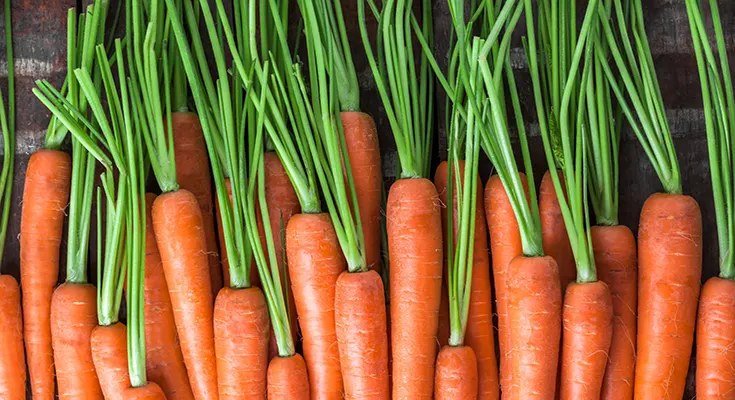
The old "carrots are good for your eyes" line is true but wildly incomplete — like saying "water is good for plants" and stopping there. Your eyes are among the most metabolically active tissues in your body, constantly under oxidative stress from light itself, and they need a broader nutritional defense team than one vegetable. I've started thinking of eye nutrition as long-term maintenance on expensive equipment: the payoff is decades away, which is exactly why most people ignore it until something goes wrong.
What are the best foods for keeping your eyes healthy — What Actually Works
The key nutrients and where to actually get them: lutein and zeaxanthin — the stars of eye nutrition, they form the macular pigment that filters harmful blue light — come from leafy greens (kale, spinach, collards), egg yolks, and corn. Vitamin A (the carrot connection — genuinely important for night vision and corneal health) comes from sweet potatoes, carrots, and liver. Vitamin C (concentrated in the eye's lens, linked to slower cataract progression) comes from citrus, bell peppers, and strawberries. Vitamin E and zinc (both tied to slower macular degeneration in the landmark AREDS studies) come from nuts, seeds, and oysters or beef. Omega-3s (DHA is a structural component of the retina) come from fatty fish twice weekly. The practical pattern: eat colorful — dark leafy greens daily, orange vegetables regularly, fish twice a week, nuts as snacks. Beyond food: wear UV-blocking sunglasses (cataract prevention is real), follow the 20-20-20 rule for screens, and get dilated eye exams — nutrition supports eyes, but it doesn't replace monitoring.
It helps to understand what’s actually happening under the hood. When it comes to foods for keeping your eyes healthy, your body responds to patterns, not one-off heroics. A single great day doesn’t move the needle; thirty ordinary days do. That’s both the bad news and the good news: there’s no shortcut, but there’s also no requirement to be extreme. The bar is lower than you think, and the payoff is bigger than you expect.
If you want a second opinion from an authoritative source as you go, the National Eye Institute on keeping eyes healthy and the American Academy of Ophthalmology are both solid places to cross-check what you read here.
What's Really Going On With Foods for keeping your eyes healthy
You don’t have to take my word for any of this. The fundamentals behind foods for keeping your eyes healthy are some of the most replicated findings in health science: consistent moderate habits outperform sporadic intense ones, sleep underpins nearly everything, and small sustained changes beat dramatic overhauls. Boring? Completely. But boring is what the evidence keeps pointing to, year after year.
For a related angle, our guide to How do I plan the perfect staycation at home pairs well with what you’re learning here — the two topics overlap more than most people realize.
Your Simple, Sustainable Plan
- Eat dark leafy greens most days — lutein is the single most important eye nutrient.
- Fatty fish twice a week covers the omega-3s your retinas are built from.
- Wear real UV-blocking sunglasses; food can't undo sun damage.
- Follow 20-20-20 for screens: every 20 minutes, look 20 feet away for 20 seconds.
- Get dilated eye exams regularly — early detection beats any diet.
Mistakes That Sabotage Most People
Going from zero to everything overnight
This is the classic. Someone decides to work on foods for keeping your eyes healthy and attempts a total life overhaul on Monday — new diet, new workout, new sleep schedule, new supplements. By Thursday they're exhausted and done. I've watched this cycle more times than I can count, and it never works. Pick one change. Master it. Then add the next.
Treating discomfort as a stop sign instead of a signal
Some discomfort with foods for keeping your eyes healthy is information, not danger — the burn of effort, the awkwardness of a new habit. But sharp pain, dizziness, or anything that feels genuinely wrong is different. Learning to tell productive discomfort from warning signs is a skill worth developing, and when in doubt, check with a professional.
Comparing your chapter one to someone else's chapter twenty
Social media shows you the highlight reel: the transformation photos, the perfect routines, the effortless results. What you don't see is the years, the genetics, the lighting, and occasionally the filters. Your journey with foods for keeping your eyes healthy only has to beat your own yesterday, not someone's curated feed.
Quitting at the first bad week
Progress with foods for keeping your eyes healthy is never linear. You'll have a great two weeks, then a terrible one, and your brain will declare the whole thing a failure. It's not. One bad week in twelve is noise. The people who succeed aren't the ones who never slip — they're the ones who treat a slip as a data point and keep going.
What To Do This Week
Here’s what I’d tell you if we were talking face to face about foods for keeping your eyes healthy: don’t try to implement this whole guide tomorrow. Read it, pick the one change with the best effort-to-impact ratio for your life, and start there. Revisit the rest in a month. Slow, steady, and still going beats fast, intense, and quit — I’ve seen it play out that way too many times to believe otherwise.
One more resource worth bookmarking: How do I choose the right neighborhood when moving to a new city covers adjacent ground that’ll reinforce everything above.
A note of caution: See an eye doctor promptly for sudden vision changes, flashes, new floaters with a shadow/curtain effect, or eye pain — those are urgent, not nutritional, issues.
Quick Answers To Common Questions
How long does it take to see results with foods for keeping your eyes healthy?
Honestly? Longer than the internet promises and sooner than your pessimism suggests. Most people notice small shifts in two to three weeks of consistent effort — better energy, better sleep, a general sense of things working. Visible, measurable change usually takes six to twelve weeks. The trap is quitting at week three because you're "only" feeling better instead of transformed. Feeling better is the point; the visible stuff follows.
What if I've tried foods for keeping your eyes healthy before and failed?
Then you're normal, and you have useful data. Most "failures" are really just attempts that were too ambitious, too complicated, or started at the worst possible time. Ask yourself what specifically derailed you last time — not vaguely, specifically — and design around that one thing. Smaller target, simpler plan, better timing. Past attempts aren't evidence you can't do it; they're the instruction manual for how you'll succeed this time.