
How Do I Make Iced Coffee That Does Not Taste Watered Down?
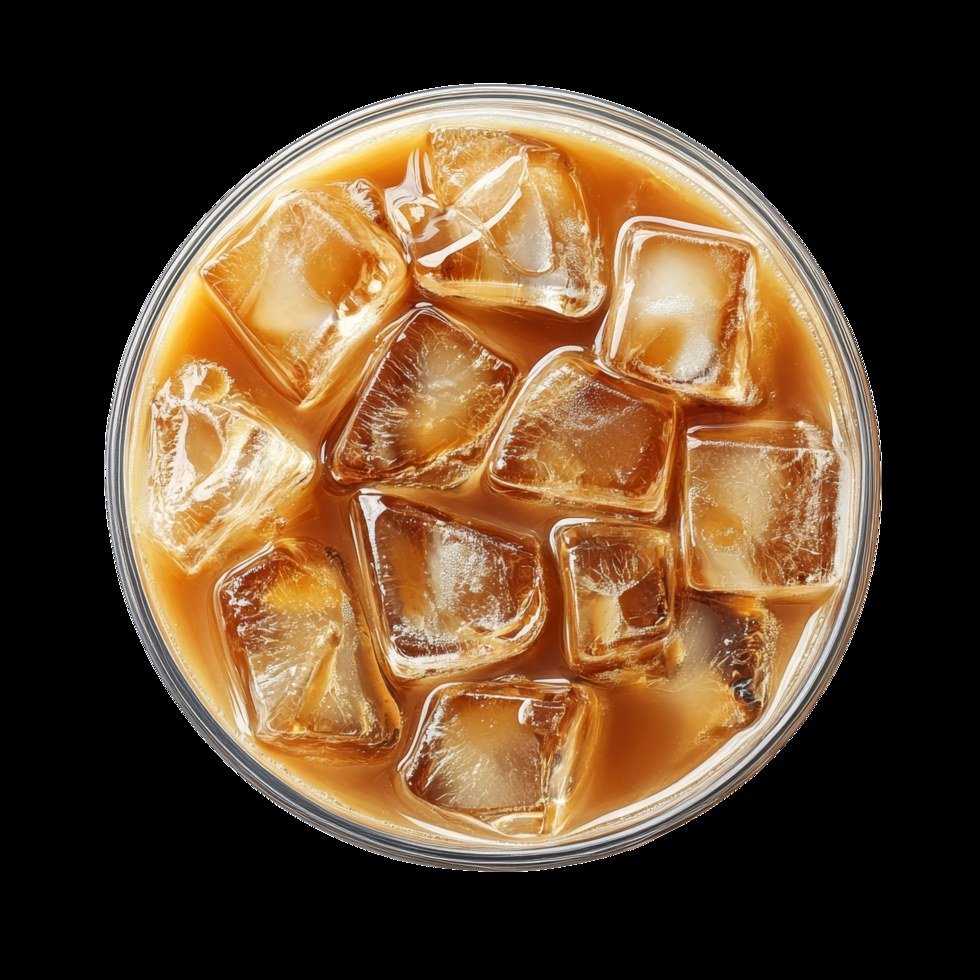
How Do I Make Iced Coffee That Does Not Taste Watered Down?
There’s nothing sadder than a promising iced coffee that turns into brown water by the third sip. How do I make iced coffee that does not taste watered down? I asked myself this every summer until I figured out the core problem: regular ice melting into regular-strength coffee. The fix isn’t complicated — you either make the coffee stronger to begin with, make the ice out of coffee, or skip the melting problem entirely. Here are the three methods I actually use, ranked by effort.
Why Iced Coffee Goes Watery (The Core Problem)
Hot coffee poured over ice immediately starts diluting. A standard brew is about 98% water already; add a glass of melting ice and you’ve thinned the flavor past recognition. Coffee shops solve this by brewing double-strength or using cold brew concentrate. Home brewers usually just pour yesterday’s pot over ice and wonder why it’s sad. The principle for all three methods below: account for the dilution before it happens.
How Do I Make Iced Coffee That Does Not Taste Watered Down? 3 Methods
Method 1: Coffee ice cubes (easiest, best for leftover coffee)
Brew coffee at normal strength, pour it into an ice cube tray, and freeze. Use these cubes instead of water ice. As they melt, they release coffee, not water — your drink stays full-strength to the last sip. This is my daily method because it also rescues leftover morning coffee that would otherwise go down the drain. Bonus: frozen cubes in milk make an incredible iced latte with zero dilution.
Method 2: Cold brew concentrate (smoothest, best for batches)
Combine 1 cup of coarse-ground coffee with 4 cups of cold water in a jar. Steep 12–18 hours at room temperature, then strain through a fine-mesh sieve lined with cheesecloth or a coffee filter. The result is a concentrate you dilute 1:1 with water or milk over ice. Cold brew is naturally less acidic and smoother than hot-brewed coffee, and the concentrate is strong enough that melting ice just brings it to perfect drinking strength. It keeps a week in the fridge — make it Sunday, drink it all week.
Method 3: Japanese flash-chill (brightest flavor, coffee-shop quality)
This is the method specialty cafes use. Brew hot coffee directly over ice, but brew it double strength — use twice your normal coffee-to-water ratio. The ice flash-chills the coffee, locking in the bright, aromatic flavors that cold brew’s long steep mutes, while the melting ice dilutes it to exactly normal strength. Use half the water you’d normally brew with, poured over a full glass of ice. The result tastes like hot coffee’s more refreshing sibling — complex and vibrant.
Quick Comparison
- Coffee cubes: zero extra effort if you have leftover coffee; great for lattes; requires planning ahead to freeze.
- Cold brew: smoothest taste, best for making a week’s worth; needs 12+ hours and coarse grounds.
- Flash-chill: brightest, most aromatic; ready in minutes; uses more coffee per cup.
Small Upgrades That Help Any Method
Use filtered water — off-flavors in tap water show up more in cold coffee. Grind fresh if you can; stale coffee tastes flat whether hot or cold. Chill your coffee before pouring over ice when possible (hot coffee melts ice fast, accelerating dilution). And consider your milk: oat milk’s natural sweetness pairs beautifully with iced coffee, while whole dairy gives the richest iced latte.
What About Store-Bought Iced Coffee?
I’ll be honest: some bottled cold brews are genuinely good now. But they’re expensive per ounce — often 3–4x the cost of homemade. If you’re buying daily, the cold brew concentrate method pays for a grinder within a month. Save the bottled stuff for travel days.
For brewing science, the iced coffee article on Wikipedia covers global variations, and the National Coffee Association publishes solid brewing guides.
Iced Coffee Upgrades: Syrups, Milk, and Presentation
Once the base is right, the upgrades make iced coffee feel like a café drink. Homemade syrups take 10 minutes: simmer equal parts sugar and water with vanilla bean, cinnamon sticks, or fresh mint, then strain. They keep a month refrigerated and cost pennies versus coffee-shop pumps. Brown sugar syrup (with a pinch of salt) is my personal favorite — it tastes like the expensive café version because it is the expensive café version.
Milk choice changes everything. Whole dairy gives the richest iced latte; oat milk’s natural sweetness and creamy body make it the best non-dairy option by a wide margin; almond milk is thinner and can separate in acidic coffee. For the layered look, pour milk over ice first, then pour coffee slowly over the back of a spoon — it floats dramatically and mixes as you drink. Sweeten while hot: if adding sugar or honey, dissolve it in the hot coffee before icing — it won’t dissolve properly in cold liquid.
For a genuinely indulgent treat, blend your cold brew concentrate with ice, milk, and a frozen banana for a coffee smoothie that doubles as breakfast — our filling smoothie formula shows how to make it actually satisfying instead of just delicious.
The Affogato Shortcut
For the ultimate summer indulgence with zero extra skill: make an iced affogato. Brew a double shot of espresso (or 4 ounces of strong coffee from your moka pot), pour it hot over two scoops of vanilla ice cream, and add ice if you want it colder. The melting ice cream becomes the creamer, the hot coffee creates rivulets through it, and the whole thing takes 90 seconds. It’s dessert and caffeine in one glass, it never tastes watered down (the ice cream only makes it richer), and it looks impressive enough for guests. Keep vanilla ice cream stocked all summer — it’s the secret weapon of effortless entertaining.
The Takeaway
Pick one method: coffee cubes for simplicity, cold brew concentrate for the week, flash-chill for the best flavor. All three beat the pour-hot-coffee-over-ice tragedy. Your summer afternoons are about to improve significantly.