
The Best Way to Reheat Pizza So It Stays Crispy
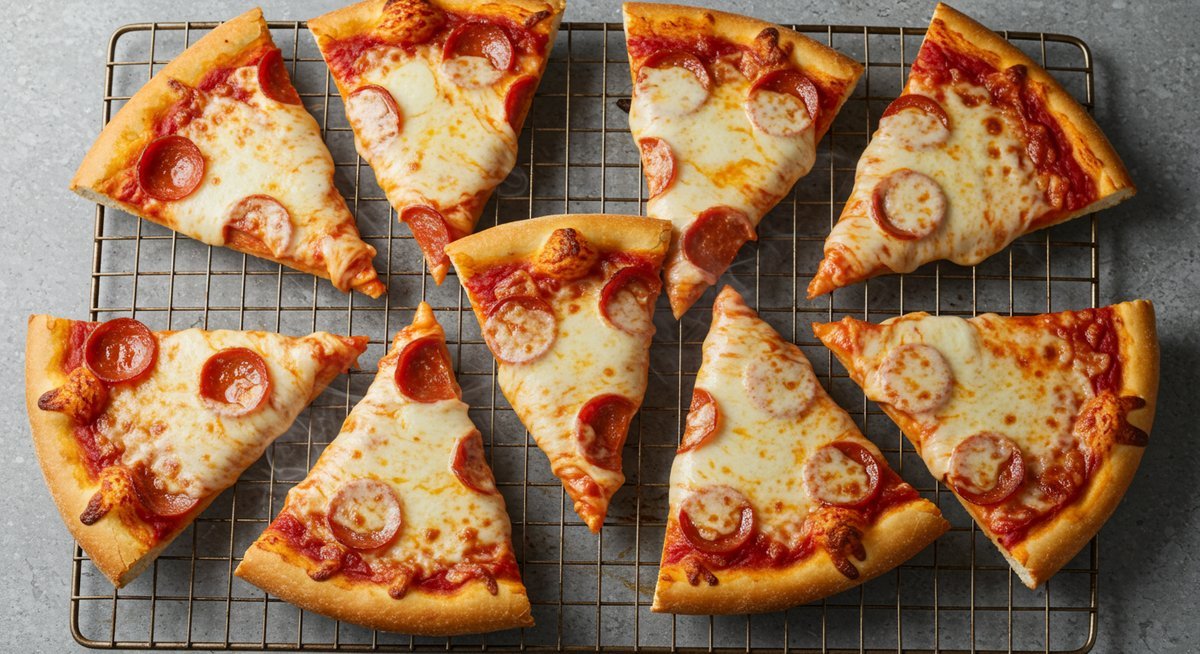
What Is the Best Way to Reheat Pizza So It Stays Crispy?
Cold pizza has its defenders, but sometimes you want it hot — and the question is what is the best way to reheat pizza so it stays crispy instead of turning into a soggy, rubbery disappointment. I ran an extremely serious taste test in my kitchen (my family was thrilled to participate), comparing the microwave, oven, skillet, and air fryer on day-old pepperoni. The results weren’t close. Here’s the ranking, from best to worst, and exactly how to do each method right.
The Winner: Skillet on the Stovetop
The skillet method produces the closest thing to fresh-from-the-pizzeria pizza, and it takes about five minutes. Here’s how:
- Place a slice in a cold nonstick or cast iron skillet — no oil needed.
- Set the burner to medium-low and heat the slice for 2 minutes, until the bottom crisps.
- Add a few drops of water to the pan away from the slice, then immediately cover with a lid.
- Steam for 1 minute. The trapped steam melts the cheese while the direct heat keeps the crust crisp.
The genius of this method is that it treats the crust and the toppings as two separate problems: dry heat from below crisps the base, steam from above re-melts the cheese. The result is a slice with a crackly bottom and gooey top — genuinely better than most delivery reheats. A cast iron skillet is ideal here because it holds heat so evenly.
Runner-Up: Oven or Toaster Oven
The oven is the best choice when you’re reheating a lot of pizza at once. Preheat to 375°F, place slices directly on the rack or on a baking sheet (a pizza stone is even better if you have one), and heat for 8–10 minutes. The dry, all-around heat crisps the crust nicely and melts the cheese evenly. Downsides: it takes 15+ minutes with preheating, and it heats up your kitchen. For one or two slices, the skillet wins on speed. For a crowd, the oven wins on capacity.
Third Place: Air Fryer
The air fryer does a respectable job: 350°F for 3–4 minutes gives you a crisp crust and melted cheese. It’s fast and doesn’t heat the kitchen. The catch is capacity — most baskets fit one or two slices — and thin-crust styles can over-crisp or have toppings blown around by the fan. Still, if you already own one, it’s a solid option, and it’s my pick for reheating all kinds of leftovers beyond pizza.
Last Place: The Microwave (and How to Make It Less Terrible)
The microwave is the fastest way to ruin good pizza. Microwaves heat water molecules, which turns the crust steamy and chewy while the cheese goes rubbery. If it’s truly your only option, here’s damage control: place a mug of water in the microwave alongside the slice and heat in 30-second bursts. The water absorbs some microwave energy, which slightly reduces the sogginess. It won’t be crispy, but it’ll be edible. Sometimes that’s enough.
Storage Matters More Than You Think
Here’s something most reheating guides skip: how you stored the pizza determines how well it reheats. Don’t leave the box on the counter — refrigerate slices within two hours. Stack them with parchment or wax paper between slices in an airtight container or zip-top bag, not just the cardboard box, which lets them dry out. Properly stored pizza reheats dramatically better, and it’s safe to eat for 3–4 days. Speaking of which, if you’re unsure about timing, check our guide on whether four-day-old leftovers are safe to eat.
What About Frozen Pizza?
Frozen leftover slices reheat fine — just add a few minutes to any method above, and don’t thaw first (thawing makes the crust soggy). Wrap individual slices tightly in foil, then bag them. They’ll keep for 1–2 months and reheat almost as well as fresh leftovers.
For the surprisingly deep science of pizza, the pizza article on Wikipedia covers its history and styles nicely.
Reheating Other Leftovers: The Crispy Rules Apply Everywhere
The skillet-steam principle that rescues pizza works across your leftover universe. Fried chicken: oven at 375°F on a wire rack — the rack is key, letting hot air circulate underneath instead of steaming the crust soggy. Ten minutes restores remarkable crispness. Egg rolls and spring rolls: air fryer at 350°F for 3–4 minutes; they come out nearly as crisp as fresh.
French fries: the hardest leftover to save, but a ripping-hot skillet with a thin film of oil works — spread them in a single layer, don’t touch for 2 minutes, then toss. They won’t match fresh, but they beat the microwave’s soggy tragedy by miles. Quesadillas and grilled sandwiches: dry skillet, medium heat, 2 minutes per side — the direct heat re-crisps the exterior while melting the interior.
The universal rule: dry heat for crisp, steam for soft, microwave for neither. Anything breaded or fried wants the oven or skillet. Anything saucy (pasta, curry, stew) wants gentle stovetop reheating with a splash of water or broth to loosen it. Match the method to the food’s original texture and your leftovers stop feeling like compromises.
What Is the Best Way to Reheat Pizza So It Stays Crispy? Quick Answer
If you’re in a hurry: use a skillet on medium-low for 2 minutes, add a few drops of water away from the slice, cover for 1 minute, and serve. That’s the 80/20 of pizza reheating — crispy bottom, melted top, five minutes total. For more than two slices, the oven at 375°F for 8–10 minutes is the better call. And whatever you do, give the microwave a miss unless it’s truly the only option.
The Cold Pizza Defense
Not everyone reheats — the cold-pizza loyalists have a point, and there’s actually a way to make cold pizza better: let it come to room temperature for 15–20 minutes instead of eating it fridge-cold. The flavors wake up dramatically, the cheese softens slightly, and the crust loses its refrigerated chewiness. It’s a completely different (and better) experience than ice-cold slices. That said, for the full hot-and-crispy revival, the skillet method remains undefeated. Know both techniques and you’re prepared for every leftover-pizza mood, from lazy Sunday mornings to proper next-day dinners.
The Takeaway
Skillet for one or two slices, oven for a crowd, air fryer in a pinch, microwave only in emergencies. And store your leftovers properly — airtight, refrigerated, within two hours. Do that, and day-two pizza stops being a compromise and starts being something you actually look forward to.