
How Do I Grill the Perfect Steak on a Gas Grill?
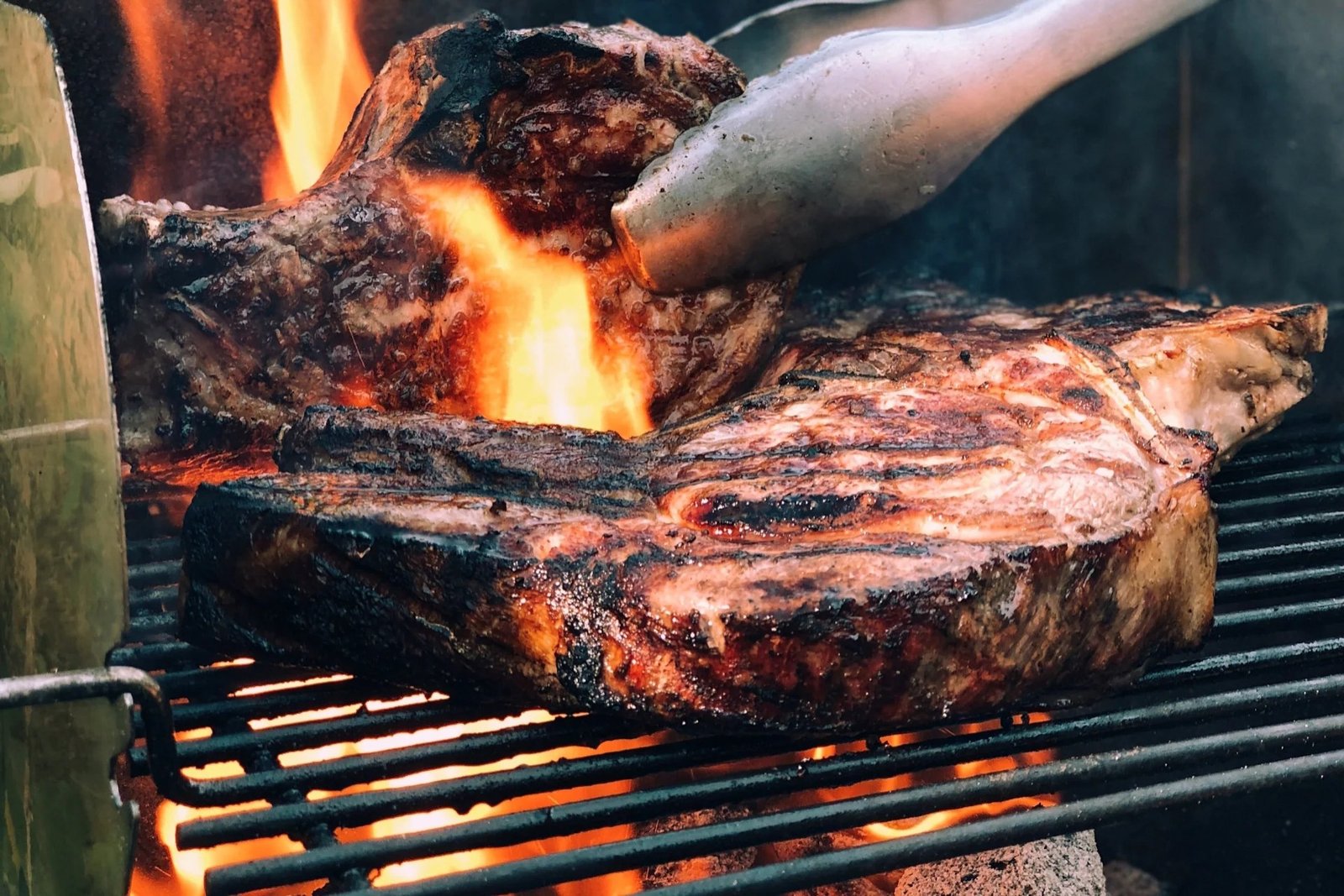
How Do I Grill the Perfect Steak on a Gas Grill?
Every summer, someone asks me: how do I grill the perfect steak on a gas grill? Usually they’re standing in front of a flare-up, tongs in one hand, a charred ribeye in the other. Here’s the truth most grilling guides won’t tell you: gas grills are actually easier than charcoal for steak, because you can control the heat precisely. You don’t need restaurant equipment or chef training. You need a good cut, a hot grill, a thermometer, and about fifteen minutes of patience. I’ve grilled hundreds of steaks on a basic three-burner gas grill, and this method has never let me down.
Start With the Right Steak
The method matters, but the cut matters more. For grilling, you want thickness — at least 1 to 1.5 inches. Thin steaks overcook before they develop a crust. My top picks:
- Ribeye: the king. Marbled fat equals flavor and forgiveness.
- New York strip: beefy, firm, great crust.
- Filet mignon: tender but lean — easy to overcook, so watch it closely.
- Sirloin: the budget pick that punches above its price.
Take the steak out of the fridge 30–45 minutes before grilling. A room-temp steak cooks more evenly. Pat it completely dry with paper towels — moisture is the enemy of a good sear — then season generously with coarse salt and cracked black pepper. That’s all you need. Fancy rubs are fine, but salt and pepper on a good steak is undefeated.
How Do I Grill the Perfect Steak on a Gas Grill? The Two-Zone Method
The single most important technique: set up two heat zones. Turn half your burners to high and leave the other half off (or on low). This gives you a screaming-hot sear zone and a gentle finishing zone. Here’s the play-by-play:
1. Preheat properly
Crank the hot zone to high, close the lid, and wait a full 10–15 minutes. Your grates should be around 500–550°F. Clean them with a grill brush, then oil them — fold a paper towel, dip it in high-smoke-point oil, and rub the grates with tongs. For oil choice, our guide to the best oil for high-heat cooking explains why this matters.
2. Sear over direct heat
Lay the steak on the hot zone and close the lid. Sear 2–3 minutes per side for a 1.5-inch steak. Don’t press it down (you’re squeezing out juice), don’t move it around (let the crust form), and resist the urge to keep peeking. You want deep brown, almost-charred marks — that’s the Maillard reaction, and it’s where the flavor lives.
3. Finish over indirect heat
Move the steak to the cool zone, close the lid, and let it finish gently. This is how you get edge-to-edge pink instead of a gray band around a raw center. A 1.5-inch ribeye typically needs 4–7 more minutes here for medium-rare.
4. Use a thermometer — no exceptions
Cutting into the steak to check is how you lose all the juice. The poke test is how you serve disappointment. A $15 instant-read thermometer is the difference between guessing and knowing. Pull temps (the steak keeps cooking as it rests):
- Rare: pull at 120°F
- Medium-rare: pull at 130°F (the sweet spot for most cuts)
- Medium: pull at 140°F
- Medium-well: pull at 150°F
- Well-done: pull at 160°F (and accept my condolences)
5. Rest it
Rest the steak 5–10 minutes on a warm plate, tented loosely with foil. The juices redistribute; cut too early and they flood the cutting board instead of staying in the meat. This step is non-negotiable.
Mistakes That Ruin Grilled Steak
The greatest hits of steak failure: grilling straight from the fridge (cold center, burnt outside), skipping the preheat (no sear, steamed meat), flare-ups from dripping fat (move the steak, don’t fight the fire), and slicing with the grain instead of against it. That last one matters more than people think — cutting against the grain shortens the muscle fibers and makes every bite more tender.
Gas vs. Charcoal: An Honest Word
Charcoal devotees will tell you gas can’t produce real flavor. They’re half right — you won’t get that smoky kiss from gas alone. But you will get precise, repeatable heat, which matters more for a perfect medium-rare. If you miss the smoke, toss a smoker box with wood chips on the hot zone. Best of both worlds, no charcoal chimney required.
Want to go deeper on the science? The grilling article on Wikipedia covers the techniques, and Weber’s official grilling guides are genuinely useful for gas grill owners.
Beyond Temperature: Resting, Slicing, and Serving
Nailing the temperature gets you 80% of the way there. These finishing details cover the rest. Resting isn’t optional folklore — when meat cooks, the muscle fibers contract and squeeze juices toward the center. Cutting immediately lets those juices flood the board. A 5–10 minute rest lets fibers relax and reabsorb moisture. Tent loosely with foil (tight wrapping steams the crust you worked for) and rest on a warm — not cold — plate.
Slicing matters more than most people realize. Always slice against the grain: look for the direction the muscle fibers run and cut perpendicular to them. This shortens the fibers so your teeth do less work, making even a modest sirloin eat like a premium cut. For thick steaks served to a group, slicing the whole steak and fanning it on a platter looks impressive and lets everyone get edge-to-center variety.
Finishing touches that lift the dish without effort: a pat of compound butter (butter mashed with garlic, herbs, and a pinch of salt) melting over the resting steak; flaky sea salt sprinkled just before serving for crunch; a squeeze of lemon over richer cuts like ribeye to cut the fat. And serve on warm plates — a hot steak on a cold plate loses temperature fast. These are restaurant habits that cost nothing and read as luxury.
The Takeaway
Two zones, screaming-hot grates, a thermometer, and a proper rest. That’s the whole formula. Nail those four things and you’ll grill a steak that makes the neighbors wander over to ask what you’re cooking. If you’ve got a cast iron skillet, by the way, it’s also fantastic for searing steak indoors once the weather turns.
[…] genuinely gets better with age — mine is now the pan I reach for first, whether I’m searing the perfect steak or frying eggs on a slow Sunday […]