
How Can I Cook Healthy Dinners in Under 30 Minutes?
The 6 p.m. dilemma: you’re hungry, tired, and twenty minutes from ordering takeout you’ll regret. I’ve been there hundreds of times. But here’s what I learned after years of weeknight cooking: the real question — how can I cook healthy dinners in under 30 minutes — isn’t about fancy techniques or exotic ingredients. They’re about a formula — protein + vegetable + fast carb — and a handful of methods that respect your time.
The 30-Minute Formula
Nearly every fast healthy dinner follows the same template:
- A fast protein (10–15 min): chicken thighs, shrimp, eggs, tofu, canned beans, ground turkey, salmon fillets
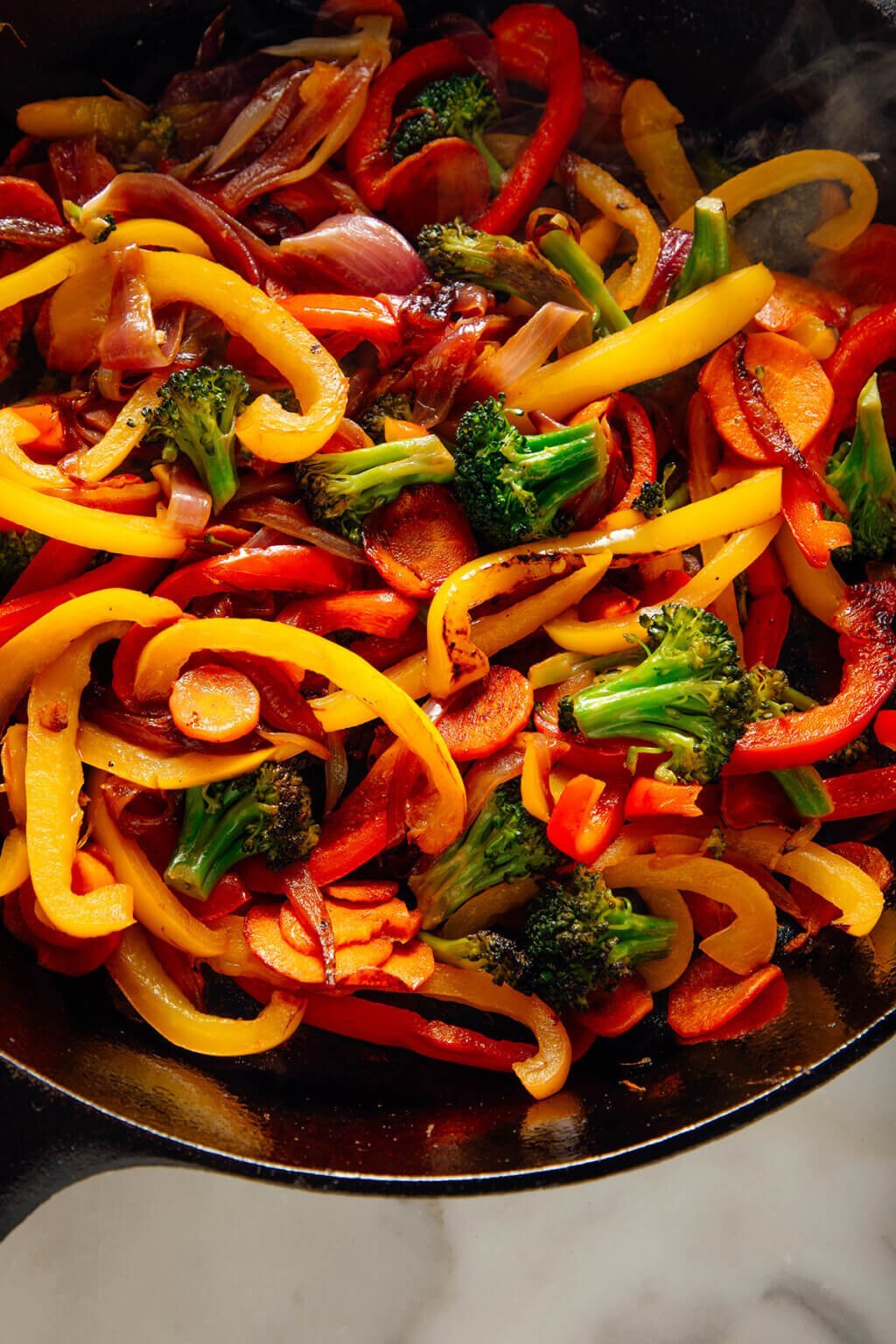
- A fast vegetable (10–15 min): anything that sautés, roasts at high heat, or steams quickly — broccoli, asparagus, bell peppers, zucchini, snap peas, spinach
- A fast carb (10–20 min, mostly hands-off): couscous (5 min), rice noodles, quinoa, tortillas, pre-cooked rice, crusty bread
- A flavor booster (1 min): the difference between “healthy and sad” and “healthy and craveable” — see below
Pick one from each column. That’s dinner. The combinations are nearly endless, which is the point — variety without new recipes to learn.
The Flavor Boosters That Make It Work
Fast healthy food fails when it’s bland. These take seconds and transform everything:
- Acid: lemon juice, lime juice, rice vinegar — brightens any dish instantly
- Heat: chili crisp, sriracha, red pepper flakes, fresh jalapeño
- Umami: soy sauce, miso paste, parmesan, fish sauce
- Fresh herbs: cilantro, basil, parsley — added at the end, not cooked. Our fresh herb storage guide keeps them alive all week.
- Good fat: olive oil drizzle, toasted sesame oil, a handful of nuts
A bowl of chicken, broccoli, and rice is boring. The same bowl with soy sauce, chili crisp, lime, and cilantro is dinner you’ll actually want.
How Can I Cook Healthy Dinners In Under 30 Minutes?
1. Sheet-pan chicken and vegetables (25 min, 5 min hands-on)
Toss chicken thighs and chopped vegetables with olive oil, salt, and smoked paprika. Roast at 425°F for 20–25 minutes. One pan, zero babysitting, endlessly variable.
2. Shrimp stir-fry (15 min)
Shrimp cook in 3–4 minutes. Stir-fry with any vegetables, garlic, ginger, soy sauce, and a squeeze of lime. Serve over rice noodles or pre-cooked rice.
3. Black bean tacos (15 min)
Sauté onion, bell pepper, and black beans with cumin and chili powder. Stuff into warm tortillas with whatever toppings exist. Our restaurant-style tacos guide improves on this.
4. Egg fried rice (15 min)
Day-old rice (or fresh rice spread on a tray for 10 minutes), scrambled eggs, frozen peas and carrots, soy sauce, sesame oil. Faster than delivery, healthier, cheaper.
5. Salmon + asparagus sheet pan (20 min)
Salmon fillets and asparagus, olive oil, lemon, salt, 400°F for 12–15 minutes. Restaurant-quality with five ingredients.
The Systems That Make It Automatic
- Keep a stocked “fast dinner” pantry: olive oil, soy sauce, canned beans, rice noodles, couscous, frozen shrimp, eggs, onions, garlic, lemons, chili crisp. With these on hand, you’re never more than 30 minutes from dinner.
- Prep components, not meals: wash and chop vegetables on Sunday, cook a big batch of grains. Our meal prep cost guide covers the economics.
- Embrace frozen vegetables. They’re picked ripe, nutritionally equal to fresh, and go from freezer to pan in minutes. No washing, no chopping, no wilting in the crisper.
- Learn three sauces by heart: a vinaigrette, a peanut sauce, and a yogurt-herb sauce. They rescue any protein + vegetable combination.
The USDA’s MyPlate guidelines are a useful sanity check that your fast dinners actually cover the nutritional bases — half vegetables, quarter protein, quarter grains.
The 15-Minute Emergency Dinners
For nights when even 30 minutes feels ambitious, these are genuinely 15 minutes: Quesadillas: tortillas + cheese + whatever’s in the fridge, 3 minutes per side in a dry skillet. Add black beans and corn for substance. Egg sandwiches: fried eggs + cheese + hot sauce on toast — 8 minutes, deeply satisfying. Pasta aglio e olio: spaghetti + garlic + olive oil + red pepper flakes + parmesan — 12 minutes, tastes like a restaurant. Tuna melts: canned tuna + mayo + cheese under the broiler — 10 minutes. Breakfast-for-dinner: scrambled eggs + toast + fruit — 10 minutes, zero complaints from anyone. The secret to all of these: they’re built from pantry staples, so they’re available on the nights you need them most. Keep the ingredients stocked and “too tired to cook” stops being a takeout trigger.
Equipment That Actually Saves Time
You don’t need gadgets — you need the right basics: a large sheet pan (half-sheet, 18×13 — the weeknight workhorse), a sharp chef’s knife (dull knives slow everything and cause injuries; hone regularly, sharpen yearly), a big cutting board (small boards slow chopping — go large), a 12-inch skillet (cast iron or stainless — fits a family meal), and a rice cooker or Instant Pot (set-and-forget grains and proteins while you handle the rest). That’s it. The $300 single-purpose appliance won’t save your weeknights; a sharp knife and a big sheet pan will. Spend money where it touches every meal, not on the gadget that makes one dish slightly easier.
The Sunday Power Hour (Optional but Powerful)
Want weeknights to feel effortless? Invest one hour on Sunday: wash and chop 3–4 vegetables into ready-to-cook pieces, cook one big grain (rice, quinoa — enough for 3–4 meals), marinate one protein for Monday, make one sauce (peanut, vinaigrette, or yogurt-herb), and hard-boil 6 eggs. Store everything in clear containers at eye level in the fridge. This single hour collapses weeknight cooking to 10–15 minutes of assembly — the difference between “I’ll just order in” and “dinner’s basically done.” It’s not full meal prep; it’s meal readiness — and for many families, it’s the sweet spot between effort and payoff.
The Takeaway
How can you cook healthy dinners in under 30 minutes? Use the formula (fast protein + fast vegetable + fast carb + flavor booster), keep a stocked fast-dinner pantry, lean on sheet pans and stir-fries, and never underestimate frozen vegetables. Five reliable recipes in rotation beats thirty aspirational ones.
The goal isn’t gourmet — it’s a home-cooked dinner that beats takeout on speed, cost, and how you feel afterward. Master the formula and weeknights get dramatically easier.