
What Is the Best Way to Remember Important Dates and Birthdays?
What is the best way to remember important dates and birthdays? Forgetting your mom’s birthday is a special kind of shame — especially when Facebook reminds everyone except you. But it’s not about having a better memory. It’s about building a system that remembers for you, because human brains are terrible at storing dates and wonderful at ignoring them until it’s too late.
I’ve gone from chronic forgetter to the person who never misses one. The system takes 30 minutes to set up and then runs itself.
Step 1: Collect Every Date (Once)
You can’t remember what you haven’t recorded. Spend 20 minutes making the master list:
- Immediate family birthdays and anniversaries
- Close friends’ birthdays
- Kids’ friends’ party dates (as they come)
- Annual events: Mother’s/Father’s Day, holidays you observe
- Recurring personal dates: annual checkups, subscription renewals, car registration
Sources: ask family directly (“I’m building my calendar — what’s everyone’s birthday?”), check social media profiles, look at last year’s cards and texts. Get it all in one list — a notes app or spreadsheet. This is the only tedious part, and you do it once.
Step 2: Put Them in Your Calendar With Real Reminders
The master list is useless sitting in a note. Enter every date as a yearly recurring calendar event — and here’s the key: set two reminders, not one.
- Reminder 1: one week before. This is the action reminder — buy the gift, order the card, plan the call. A day-of reminder is too late for anything requiring preparation.
- Reminder 2: day-of, morning. This is the “don’t forget to actually call/text” reminder.
For big ones (parents, partner, best friend), add a two-week reminder too. The goal: never be in a position where remembering and acting happen on the same day.
The Best Way to Remember Important Dates and Birthdays: Automate the Action
Remembering is only half the battle — the other half is doing something about it. Reduce the action friction:
- Keep a card stash. A $10 box of assorted blank cards means you’re never card-less. Write and mail the moment the week-before reminder fires.
- Save gift ideas year-round. Keep a running note: when someone mentions wanting something, write it down immediately. Birthday shopping becomes “check the list” instead of panic-browsing.
- Set up birthday texts as calendar events with the person’s name in the title — “Text Maya happy birthday 🎂” — so the reminder tells you exactly what to do.
- For kids’ parties and events, RSVP the day the invitation arrives and add it to the calendar immediately. Future you is busy.
Make It Personal (So It Doesn’t Feel Robotic)
Systems handle the remembering; you handle the caring. A calendar reminder that prompts a genuine, specific message (“Happy birthday! Hope the new job is treating you well — drinks soon?”) beats a forgetful-but-spontaneous person every time. Nobody knows you needed a reminder. They just know you remembered.
For your closest people, add one personal touch: a voice note instead of a text, a mailed card instead of a message, remembering the specific thing happening in their life. The system gets you to the date; thoughtfulness does the rest. This is the same principle behind staying close to far-away friends — small, consistent gestures beat grand occasional ones.
What About the Dates You Keep Missing Anyway?
If certain dates still slip through, the reminder timing is wrong, not you. Move the action reminder earlier. And for the truly important ones, tell someone else: “Remind me about Mom’s birthday next week?” Accountability partners work for dates just like they work for habits and organization.
What Is the Best Way to Remember Important Dates and Birthdays Without Relying on Social Media?
Facebook used to be everyone’s birthday backup — until people started leaving the platform, or the algorithm stopped showing the reminders, or you realized you only knew it was someone’s birthday because a notification told you. Depending on social media for important dates is fragile. Here’s how to build a system that’s entirely yours.
The core system is calendar-based and platform-independent. Every date goes into your phone’s native calendar (Apple Calendar, Google Calendar — whichever you actually use) as a yearly recurring event with two alerts: one week before (the action alert: buy gift, send card) and the morning of (the gesture alert: call, text). This works whether or not you ever open a social app. Export or sync the calendar so it survives phone changes — the dates should outlive any device.
Build the master list from real sources, not memory. Text your family group chat: “Hey, I’m putting everyone’s birthdays in my calendar properly — drop yours plus anniversaries.” People love being asked; it signals you care. For friends, check old messages (birthday wishes from prior years have the dates), look at any cards you’ve kept, and just ask directly. “When’s your birthday? I want to make sure I have it right” is a compliment, not an interrogation.
Add the “birthday file” for each important person. Beyond the date, keep a running note: gift ideas they’ve mentioned, their favorite restaurant, the thing happening in their life right now. When the reminder fires, you don’t just know it’s their birthday — you know what to do about it. This is what separates “oh, happy birthday!” from “happy birthday — I remembered you wanted that book, it’s on its way.” The file takes 30 seconds to update when they mention something; the payoff is enormous.
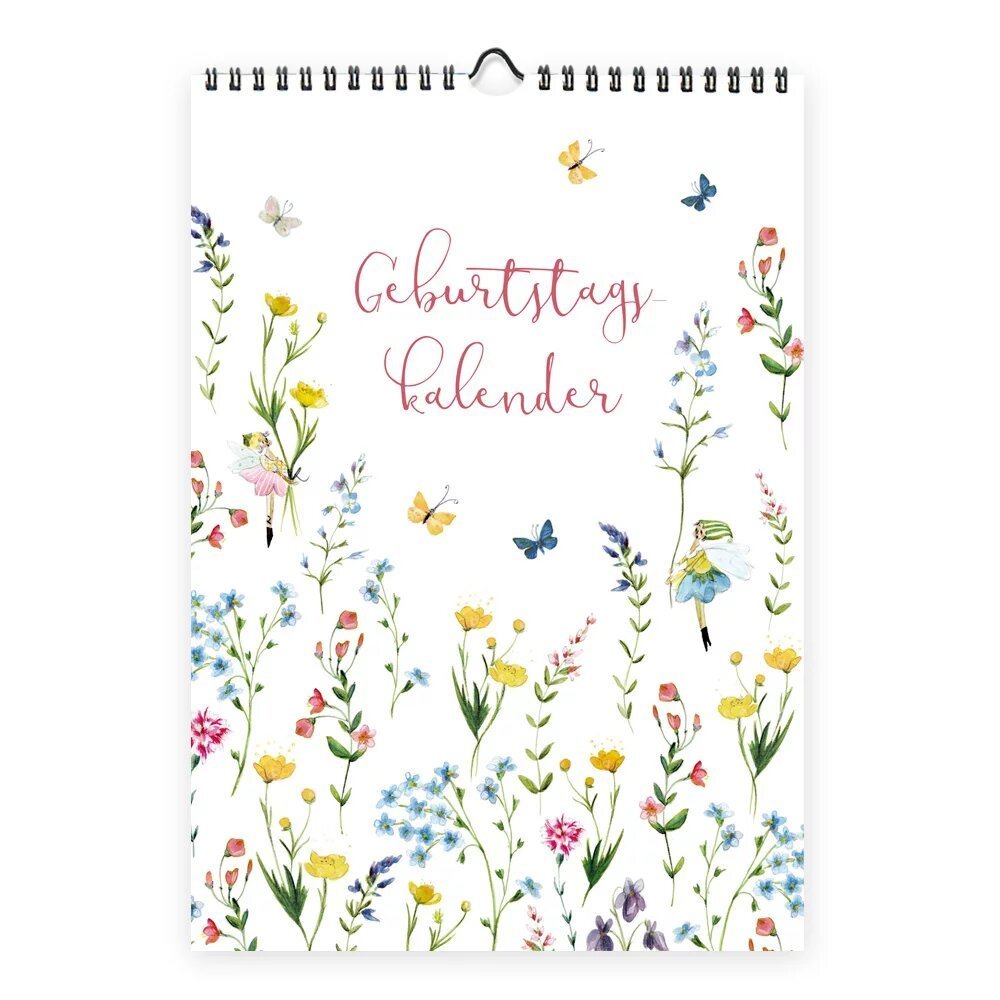
Create physical backups for the truly critical dates. A small birthday calendar on the fridge or inside a cabinet door — the old-fashioned kind — catches what digital systems miss during phone transitions, app glitches, or notification fatigue. There’s a reason these still sell: they’re glanceable, unhackable, and immune to software updates. Digital for alerts, physical for permanence.
Finally, do an annual audit every January. Fifteen minutes: scroll through the year’s birthdays, add new people (new friends, new partners’ families, new nieces and nephews), remove or deprioritize faded connections, and update gift files. Relationships change; your system should reflect the current reality, not the 2019 version. A system you maintain yearly is a system you trust — and a system you trust is one you actually use.
The Bottom Line
Remembering important dates isn’t a memory skill — it’s a system: one master list, yearly calendar events, two reminders per date (a week before for action, day-of for the gesture), plus a card stash and a gift-ideas note. Thirty minutes of setup, and you’ll never do the shameful “oh no” text again. Your relationships will quietly improve, and nobody will ever know it was a calendar alert.
On why brains drop dates, Wikipedia’s article on the forgetting curve explains the memory science, and the prospective memory entry covers how reminder systems compensate.