
How Do I Handle a Lost Passport While Abroad? Step-by-Step Recovery
It’s the travel nightmare everyone dreads: you reach for your passport and it’s not there. Your stomach drops. Mine did, in Barcelona, when my bag — passport inside — vanished from under a café table. If you’re asking how do I handle a lost passport while abroad, take a breath. This happens to thousands of travelers every year, every embassy on earth has a process for it, and you will get home. Here’s exactly what to do, in order.
How Do I Handle A Lost Passport While Abroad?
Before you declare it lost, actually look. Check every pocket, every bag compartment, the hotel safe (twice), and with anyone you were with. A surprising number of “lost” passports are sitting in a jacket pocket or a hostel locker. Call the last places you visited — restaurants, taxis, tour operators. If it’s genuinely gone, move to step 2. But spend fifteen focused minutes here; finding it now saves you days of bureaucracy.
Step 2: File a Police Report
Go to the local police and file a report. This is important for two reasons: you’ll need the report number for your embassy appointment and for any travel insurance claim, and if your passport was stolen, the report creates an official record that protects you if it’s misused. The report doesn’t need to be in English — just get the paperwork with the report number on it. In tourist-heavy cities, police stations deal with this constantly and the process is usually quick.
Step 3: Contact Your Embassy or Consulate
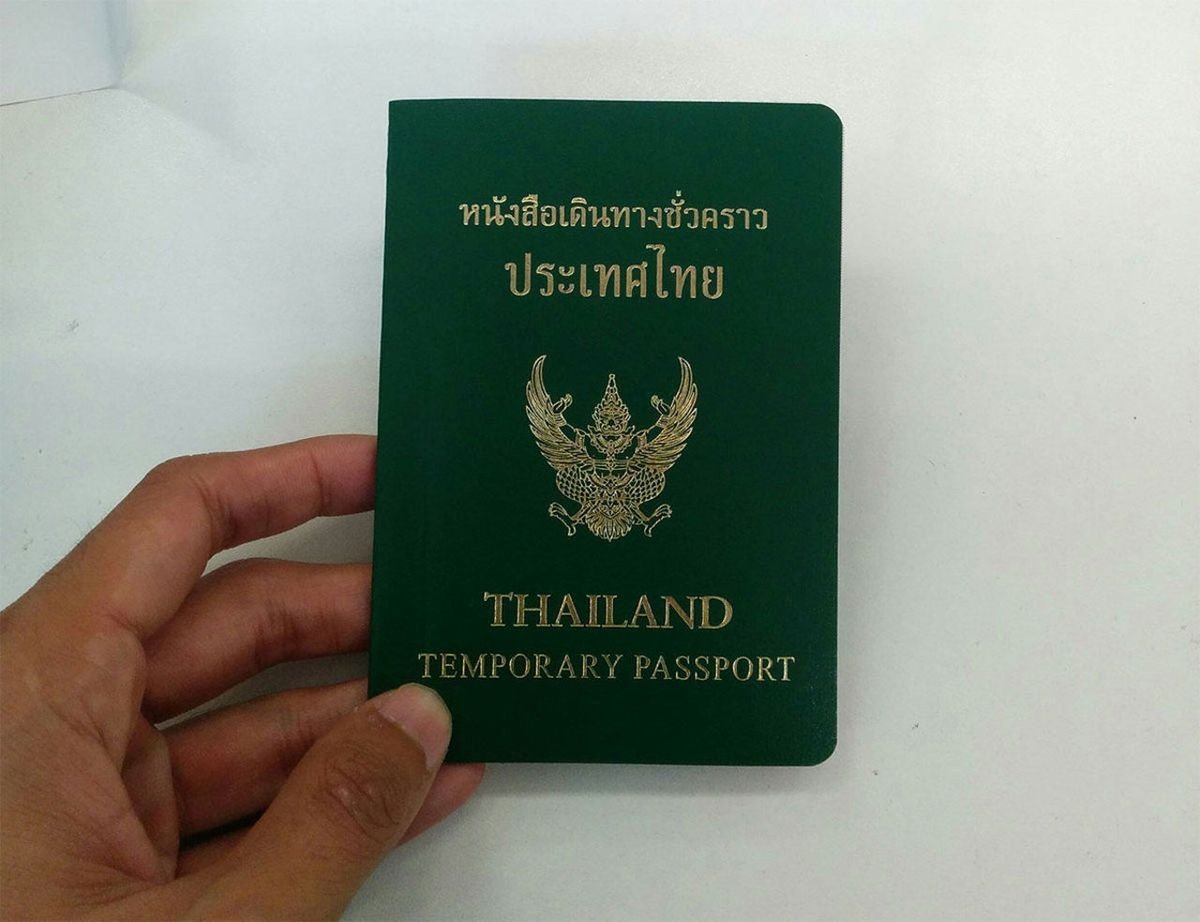
This is the core of how to handle a lost passport while abroad. Your country’s embassy or consulate will issue you an emergency travel document. For US citizens, that’s an emergency passport — typically issued within 1–3 business days, sometimes same-day in genuine emergencies. Here’s what to bring:
- The police report (or report number)
- Any other ID you have — driver’s license, a photocopy or photo of your lost passport, even a digital copy in your email
- Proof of travel plans — your return flight booking shows urgency
- Passport photos if you have them (many embassies can take them on-site)
- Payment for the replacement fee (US emergency passports run about $165; fees vary by country)
Before you travel, do this: photograph your passport’s ID page and email it to yourself, save a copy in cloud storage, and leave a copy with someone at home. Also save your embassy’s local address and emergency phone number in your phone. The US State Department’s traveler resources list every embassy and consulate worldwide, plus their after-hours emergency lines.
Step 4: Sort Out Your Travel Plans
An emergency passport gets you home, but it may complicate the rest of your trip. Emergency travel documents are sometimes single-use or limited-validity — fine for getting home, awkward for continuing a multi-country itinerary. If you have connecting flights through countries requiring visas, check whether your emergency document works there. Talk to your airline too; most are understanding about rebooking when you show embassy paperwork.
This is also when travel insurance earns its keep. Good policies cover the costs of replacing documents, extra hotel nights, and rebooked flights. File the claim with your police report number as soon as you’re able — don’t wait until you’re home.
Step 5: Protect Yourself Against Identity Theft
A lost passport is an identity theft risk. Once you’re somewhere with reliable internet, consider placing a fraud alert with credit bureaus back home, monitor your accounts for unusual activity, and report the loss to your country’s passport agency (in the US, that’s the State Department’s passport services — you can report it online). The risk is relatively low for a random lost passport, but the precautions are cheap.
How to Prevent This Entire Ordeal
An ounce of prevention, learned the hard way:
- Hotel safe, always. Carry your passport only on days you actually need it (border crossings, some hotel check-ins). The rest of the time it lives in the safe.
- Carry a photocopy or digital copy for daily ID needs. Most situations that “require” your passport accept a copy.
- Separate your documents. Don’t keep your passport, backup cards, and all your cash in one bag. One theft shouldn’t take everything.
- Use anti-theft habits: bag on your lap or between your feet at cafés, zipped compartments, situational awareness in crowded tourist areas where pickpockets work.
- Email yourself copies of your passport, travel insurance, flight bookings, and embassy contact info before every trip.
Special Cases Worth Knowing
- Lost passport + lost everything: if your wallet and phone are gone too, get to your embassy — they deal with destitute travelers regularly and can help with emergency funds repatriation and contacting family.
- Traveling with kids: children’s emergency documents have extra requirements; both parents’ consent may be needed. Another reason to carry copies.
- Long-term travelers and expats: if you live abroad, register with your embassy (the US has the Smart Traveler Enrollment Program). It makes everything faster when things go wrong.
Edge Cases: Cruises, Kids, and Multi-Country Trips
A few scenarios complicate the standard process. On a cruise, report the loss to the ship’s guest services immediately — ships have protocols and can sometimes arrange emergency documentation at the next port. Traveling with children adds paperwork: minors’ emergency documents often require both parents’ consent and the child’s birth certificate, another reason to carry copies. On multi-country itineraries, an emergency passport may not carry the visas your original did — check entry requirements for each remaining destination before continuing. When in doubt, the embassy’s citizen-services staff have seen every variation; ask them directly rather than guessing.
The Takeaway
How do you handle a lost passport while abroad? Retrace your steps, file a police report, get to your embassy with whatever ID and documentation you have, sort your travel plans with the airline and insurer, and guard against identity theft. It’s stressful, but it’s a solved problem — embassies do this every single day.
And the real lesson from my Barcelona morning: the fifteen minutes of prep before a trip (photos, copies, embassy numbers) is worth more than any travel gadget you’ll ever buy. Traveling soon? Our travel cash guide and driving abroad guide cover the rest of your pre-trip checklist.