
Is It Worth Upgrading to Premium Economy on Long Flights? Honest Answer
Staring at the upgrade offer — $349 to move from economy to premium economy on a 10-hour flight — I’ve done the mental math more times than I can count. Sometimes I click yes. Sometimes I don’t. If you’re asking is it worth upgrading to premium economy on long flights, here’s the straight answer: it depends on the flight length, the price gap, and how much you value arriving functional. Let me give you the framework I use.
Is It Worth Upgrading To Premium Economy On Long Flights?
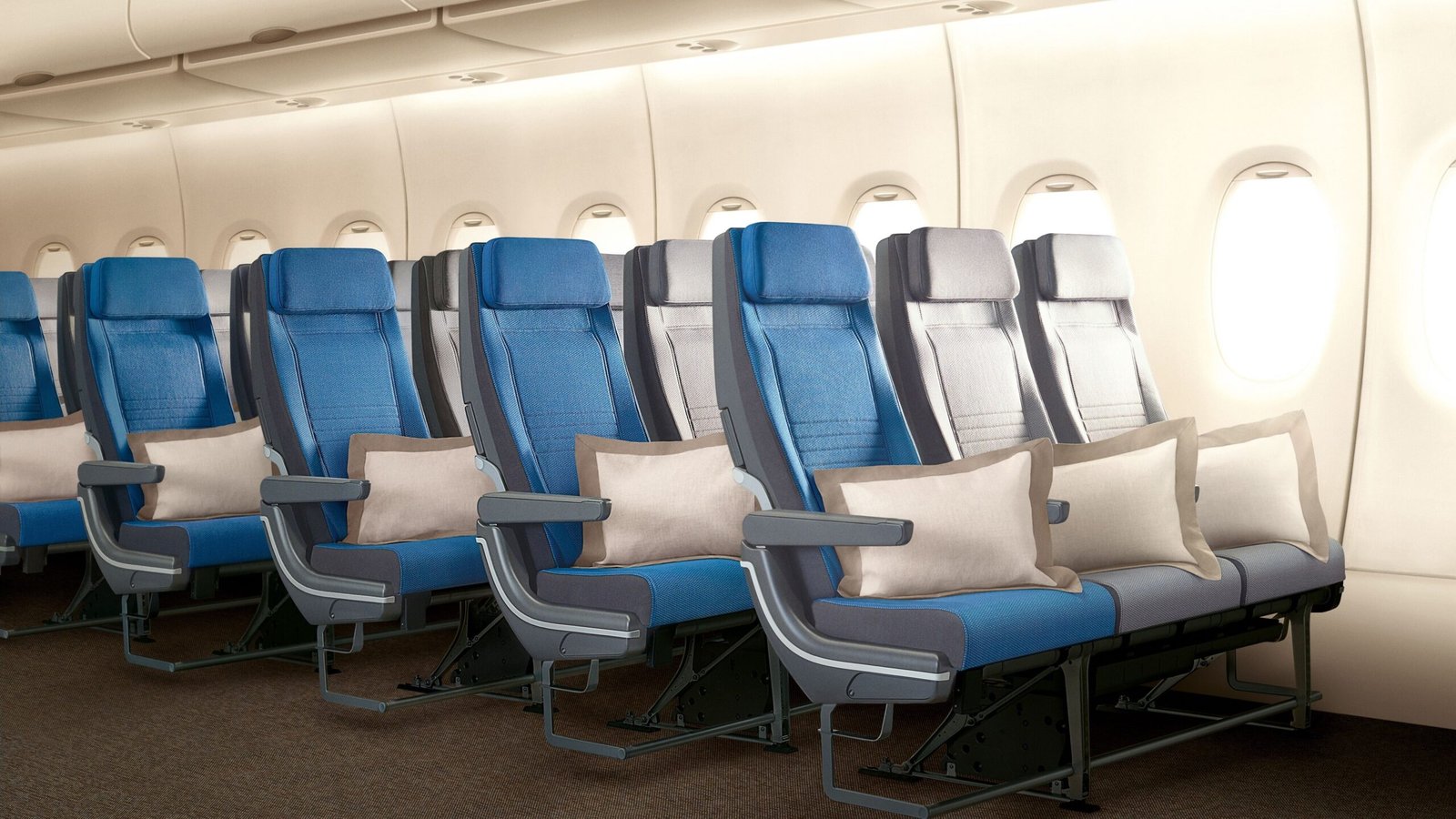
Premium economy sits between economy and business class, and what you get varies a lot by airline — this is important, because “premium economy” isn’t a standard product. Generally, though:
- More legroom: typically 38 inches of pitch vs. 30–32 in economy — roughly 6 extra inches that matter enormously on long flights
- Wider seats: usually 18.5–19.5 inches vs. 17–18, with more recline (often 8–9 inches vs. 4–5)
- Better food and service: plated meals on real dishware on many airlines, priority boarding, sometimes lounge access (rare)
- More baggage: often an extra checked bag included
- Better seat location: smaller cabin, usually just behind business class — quieter, faster deplaning
The standout products — think premium economy on airlines like Singapore Airlines, ANA, or EVA Air — are genuinely excellent and approach old-school business class comfort. The weakest ones are basically economy with two extra inches and a slightly better meal. Know which airline you’re flying before you pay.
The Math: When It’s Worth It
Here’s my personal framework for deciding whether upgrading to premium economy on long flights is worth it:
- Flight length is the biggest factor. Under 5 hours? Almost never worth paying for. 6–8 hours? Maybe, if the price is right. 10+ hours? This is where premium economy earns its keep — the comfort difference compounds over time.
- The price-gap rule: if the upgrade costs less than about 1.5–2x the economy fare’s incremental value… let me simplify. I use a per-hour rule: under $30–$40 per flight hour is a good deal, $40–$60 is fair, over $60 per hour and I’d rather save the money.
- What happens after landing matters. Flying into a wedding, a business meeting, or the first day of a trip? Arriving rested has real value. Flying home to your own bed? Suffer through economy and spend the savings on something fun.
- Your body matters. Tall travelers, bad backs, anyone who genuinely can’t sleep upright — the value proposition is completely different than for someone who naps anywhere.
A $349 upgrade on a 10-hour flight is $35/hour — a solid yes in my book if I’m tall or have plans on arrival. A $600 upgrade on a 6-hour flight is $100/hour — hard pass.
Cheaper Ways to Get the Upgrade
Paying full price at booking is the most expensive way to fly premium economy. Better options:
- Bid for upgrades. Many airlines (Lufthansa, Qantas, Air New Zealand, and others) let you bid cash for an upgrade after booking. Minimum bids often succeed on less-full flights.
- Use miles or points. Upgrading with miles is frequently the best value in all of frequent flying — sometimes 15,000–25,000 miles for a long-haul upgrade.
- Watch for upgrade offers at check-in. Airlines discount unsold premium seats 24–48 hours before departure. The offers that pop up during online check-in are often 30–50% cheaper than booking-time prices.
- Status helps. Even low-tier elite status occasionally scores complimentary or discounted premium economy upgrades.
- Fly airlines where the gap is small. On some routes and dates, premium economy prices barely above economy — always check before assuming it’s expensive.
Premium Economy vs. Alternatives
Before you pay, consider what else the money buys. An exit-row or bulkhead economy seat ($50–$150) gives you the legroom — the single most important comfort factor — for a fraction of the price. You keep the narrow seat and basic food, but on a daytime flight where you won’t sleep much, legroom is 80% of what matters.
On the other end, business class deals occasionally price close to premium economy on less competitive routes. If business is only 30–40% more than premium economy, the lie-flat seat changes the math entirely — always compare all three cabins before buying.
When It’s Definitely Not Worth It
Let’s be blunt about the no’s: short flights (the comfort difference doesn’t have time to matter), red-eyes where you’ll sleep badly regardless (save for a hotel instead), airlines with weak premium products (check reviews for your specific airline and aircraft), and any time the money would genuinely be better spent on the trip itself. A $400 upgrade versus $400 of amazing meals and experiences at your destination? The destination wins almost every time.
Also consider the environmental angle — premium economy seats take more space per passenger, meaning a slightly larger carbon footprint per traveler than economy. It’s a small factor, but worth knowing if you think about such things.
Which Airlines Have the Best Premium Economy?
Not all premium economy cabins are created equal, and the difference is big enough to influence which airline you book. Singapore Airlines, ANA, Japan Airlines, and EVA Air consistently top rankings with generous recline, excellent food, and thoughtful details. Virgin Atlantic and British Airways offer solid products on long-haul routes. Among US carriers, Delta’s Premium Select is generally regarded as the strongest, with American and United a half-step behind. Before paying, check recent reviews for your specific aircraft — an older plane’s “premium economy” can be far weaker than the same airline’s newest cabin. Seat-review sites with traveler photos tell the real story.
The Takeaway
Is it worth upgrading to premium economy on long flights? On 8+ hour flights, at under ~$40 per flight hour, with plans on arrival or a body that hates economy — yes, often genuinely worth it. Otherwise, grab an exit row, save the money, and spend it where you’ll remember it.
The upgrade decision is really a question about what kind of traveler you are and what this specific trip demands. Use the per-hour rule, check for bid and check-in offers, and never pay full price without comparing alternatives first. Planning the journey? Our travel cash guide and staying healthy on work trips pair well with long-haul planning.